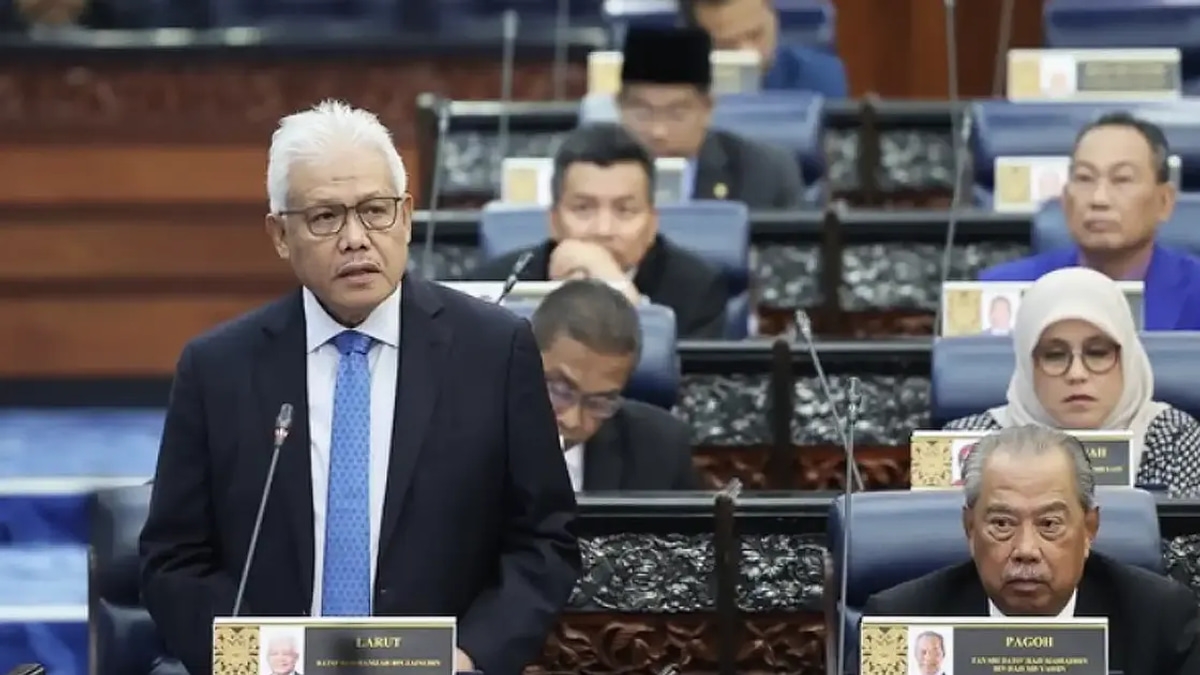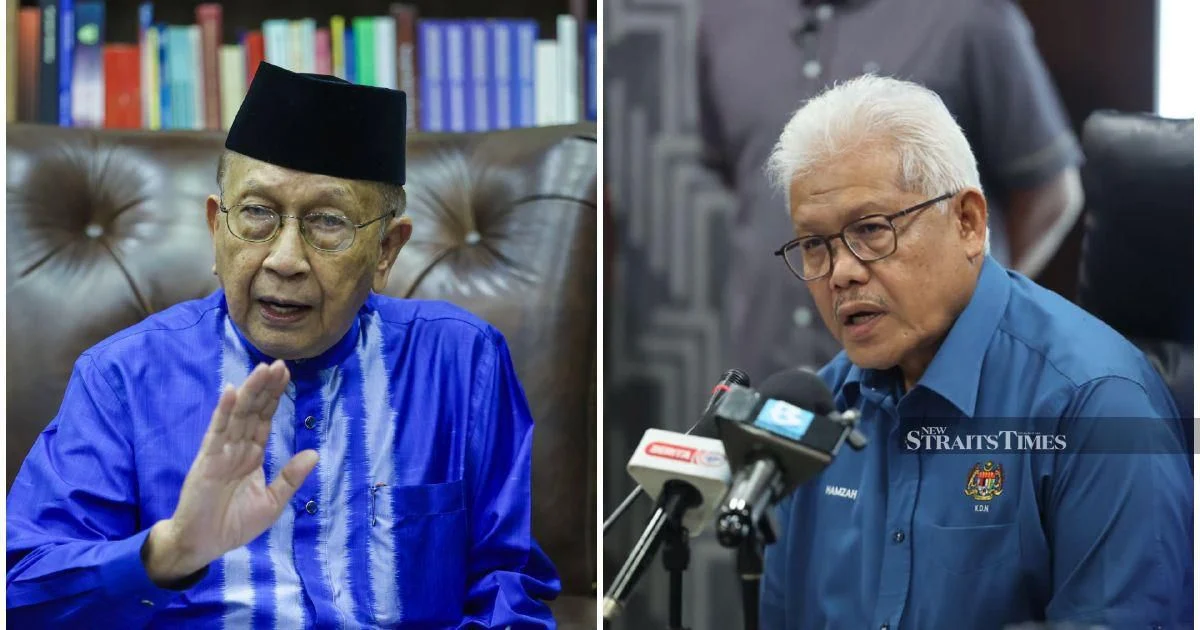
Parti Wawasan Negara has formally unveiled the full roster of its central leadership, signalling the party's ambitions to establish itself as a significant political force by drawing upon the experience of prominent figures from Malaysia's political establishment. The announcement reflects an attempt to position the relatively new party as a credible alternative, built on the foundations of proven administrators and seasoned campaigners who have held substantial public office.
The presence of Hamzah and Rais Yatim at the apex of the party structure carries considerable symbolic weight. Both have commanded respect across parliamentary circles and bring decades of collective experience in governance, legislative affairs, and party management. This dual leadership arrangement may suggest an effort to balance different political constituencies and generational perspectives, a strategy often employed by emerging parties seeking to establish broad appeal across Malaysia's diverse voting base.
The composition of Wawasan's central leadership extends beyond these two figures, incorporating a diverse array of former ministers whose prior ministerial appointments signal their past roles in government and administrative agencies. This layered approach to leadership construction provides the party with personnel who understand the mechanics of government machinery, budget allocation, and policy implementation at the highest levels. Such institutional knowledge becomes invaluable when a newer political entity seeks to convince voters of its readiness to govern.
Parliamentary representation within the leadership hierarchy is another strategic component. By including sitting and former members of parliament, Wawasan demonstrates that it has attracted individuals with direct electoral credibility and legislative floor experience. These politicians bring with them constituencies they have represented, networks of supporters, and practical understanding of how legislative proposals navigate the parliamentary process. Their involvement signals that the party is not merely an administrative apparatus but draws strength from those with proven ability to win electoral contests.
The integration of professionals into this political structure reflects a broader trend in Malaysian politics where technical expertise and specialist knowledge are being positioned as essential ingredients for governing competence. Engineers, economists, legal practitioners, and administrators bring empirical and analytical capabilities that complement the experience of career politicians. This hybrid approach attempts to address growing voter expectations that political parties should combine traditional political acumen with contemporary professional rigour.
Wawasan's timing in crystallising its leadership structure comes at a significant juncture in Malaysian politics. The political landscape has undergone substantial flux in recent years, with coalition realignments and shifting voter expectations creating space for alternative political formations. The party's decision to announce a comprehensive leadership team suggests it is moving beyond foundational establishment phases toward positioning itself as a ready-to-govern entity with clear internal hierarchies and defined roles.
For Malaysian voters and political observers, the configuration of Wawasan's leadership offers several interpretive lenses. The prominence of figures with established track records suggests the party is attempting to mitigate the inherent scepticism that greets new political entrants. However, it simultaneously raises questions about whether such an arrangement might represent an attempt by experienced politicians to recycle themselves into positions of influence, or whether it genuinely constitutes a fresh political direction with substantively different policy directions and approaches.
The regional dimension merits consideration as well. Political developments in one Malaysian party invariably influence the broader ecosystem. Wawasan's emergence as a credible force, should its organisational consolidation translate into electoral performance, could reshape competitive dynamics in specific constituencies and states. Neighbouring countries in Southeast Asia also monitor Malaysian political movements, recognising that Malaysia's internal political stability has implications for regional geopolitics and economic cooperation frameworks.
The party's leadership announcement may also signal its preparation for electoral contests in the near to medium term. By clarifying internal hierarchies and role distributions now, Wawasan establishes clearer accountability structures and reduces the uncertainty that might plague political organisations without defined leadership frameworks. This organisational clarity becomes particularly important in campaigning contexts where voters want to understand not merely policy positions but the individuals responsible for implementing those policies.
Moving forward, the true test of this leadership arrangement lies not in its announcement but in its practical operation. Whether Hamzah, Rais Yatim, and their leadership colleagues can translate their combined experience and institutional prestige into sustainable party growth, electoral success, and ultimately governmental capacity will depend on factors beyond the mere announcement of leadership roles. Policy coherence, effective campaign organisation, grassroots mobilisation, and the party's ability to articulate a compelling vision for Malaysia's future will ultimately determine whether this leadership configuration proves durable or becomes merely a chapter in the country's complex political chronicle.