Dewan Rakyat Speaker Johari Abdul disclosed that former Prime Minister Muhyiddin Yassin has requested an adjustment to his seating position within the legislative chamber, a procedural matter that underscores the ongoing reshuffling of parliamentary alignments following recent political developments in Malaysia's coalition landscape.
The speaker's revelation comes as parliamentary arrangements continue to reflect the flux in the nation's political structure. Requests for seat changes, while seemingly administrative in nature, often carry symbolic weight within the Dewan Rakyat, signalling shifts in factional positioning or coalition status. Muhyiddin's move suggests a recalibration of his political standing as various blocs navigate their positions ahead of potential legislative challenges.
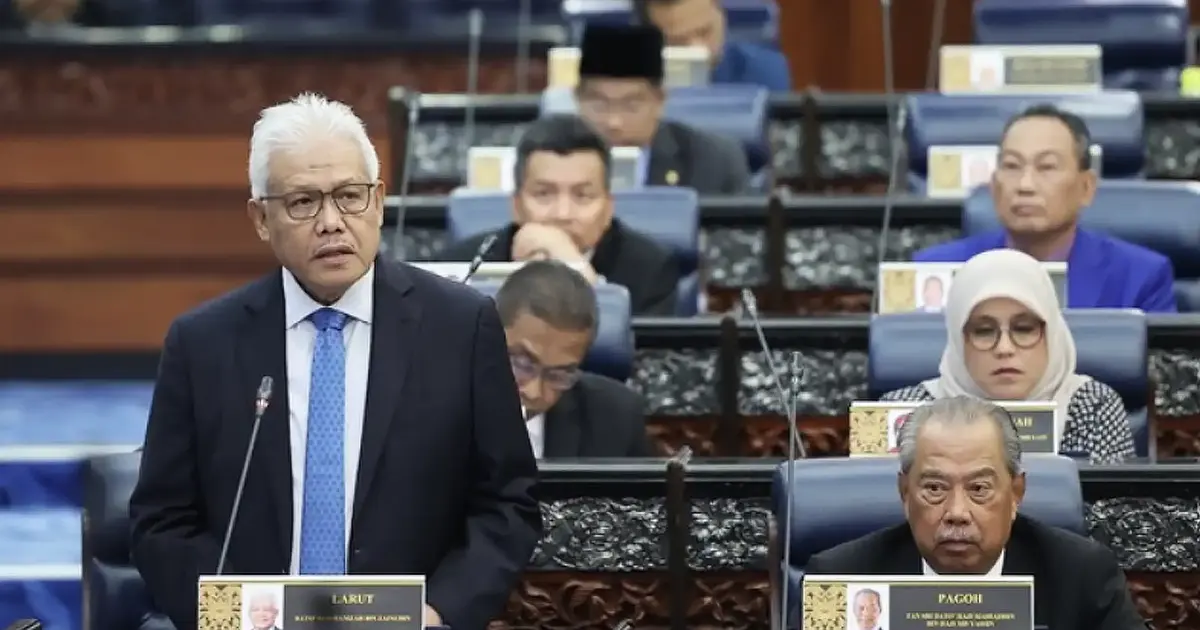
Simultaneously, Johari Abdul announced that he has formally received correspondence documenting Hamzah Zainudin, the Member of Parliament for Larut, as the newly appointed opposition leader. This appointment represents a significant development in the opposition's internal structure and signals a consolidation of leadership responsibilities within the non-government bloc. The formal notification through written correspondence follows established parliamentary protocol for such designations.
Hamzah Zainudin's ascension to the opposition leader role carries considerable implications for how the non-governing parties will coordinate their parliamentary activities, including question periods, legislative scrutiny, and policy responses. As opposition leader, Hamzah gains elevated standing in parliamentary proceedings and becomes the principal interlocutor between the government and opposition benches on matters of national importance.
The timing of these developments reflects the dynamic nature of Malaysian politics, where coalition configurations and leadership structures remain subject to periodic recalibration. Parliamentary seating arrangements, while governed by procedural rules, nonetheless carry significance as tangible reflections of a legislator's positioning within the chamber hierarchy. That Muhyiddin sought such an adjustment suggests his calculation regarding optimal parliamentary positioning under prevailing political circumstances.
For Malaysian observers, these administrative matters deserve attention because they illuminate the underlying structural changes occurring within Parliament. The opposition leadership architecture directly influences how legislative scrutiny operates, which affects everything from government accountability mechanisms to the quality of parliamentary debate on critical national issues. When opposition leadership changes hands, the tenor and focus of parliamentary questioning frequently shifts as well, reflecting the new leader's priorities and political calculations.
The speaker's role in confirming and processing these arrangements underscores the institutional framework through which parliamentary business proceeds. While Johari Abdul maintains the neutrality expected of the speaker's office, his confirmation of these developments becomes part of the official parliamentary record and establishes the formal basis for subsequent procedural matters. Such confirmation ensures that all members operate from a common understanding of current parliamentary arrangements.
Regional implications of Malaysia's opposition leadership transition warrant consideration, particularly as Southeast Asian democracies observe how different parliamentary systems manage transitions in political leadership and legislative oversight structures. Malaysia's Westminster-derived system places considerable emphasis on official notification and formal parliamentary procedures, distinguishing it from other regional legislative bodies.
Looking ahead, Hamzah Zainudin's leadership will likely shape the opposition's engagement with government proposals, budget debates, and question-and-answer sessions. His experience and political networks will influence which issues receive priority opposition focus and how vigorously the non-government benches challenge administration positions. The opposition leader position carries neither executive power nor budgetary allocation but wields considerable influence over parliamentary discourse and political narrative construction.
Muhyiddin's seating repositioning, meanwhile, may reflect broader recalibrations within the opposition coalition itself. Different seating arrangements can facilitate or complicate inter-party communication and coordination, particularly when multiple opposition parties must present a united front on legislative matters. His request suggests active engagement with parliamentary positioning rather than passive acceptance of existing arrangements.
These procedural developments, while lacking the drama of full-scale legislative votes or government policy announcements, nonetheless constitute the sinews of parliamentary governance. They establish the formal foundations upon which day-to-day legislative business proceeds and clarify the institutional relationships through which Members of Parliament exercise their democratic responsibilities. For Malaysian democracy, such clarity regarding parliamentary structure and leadership designation remains essential to legitimate and effective legislative functioning.