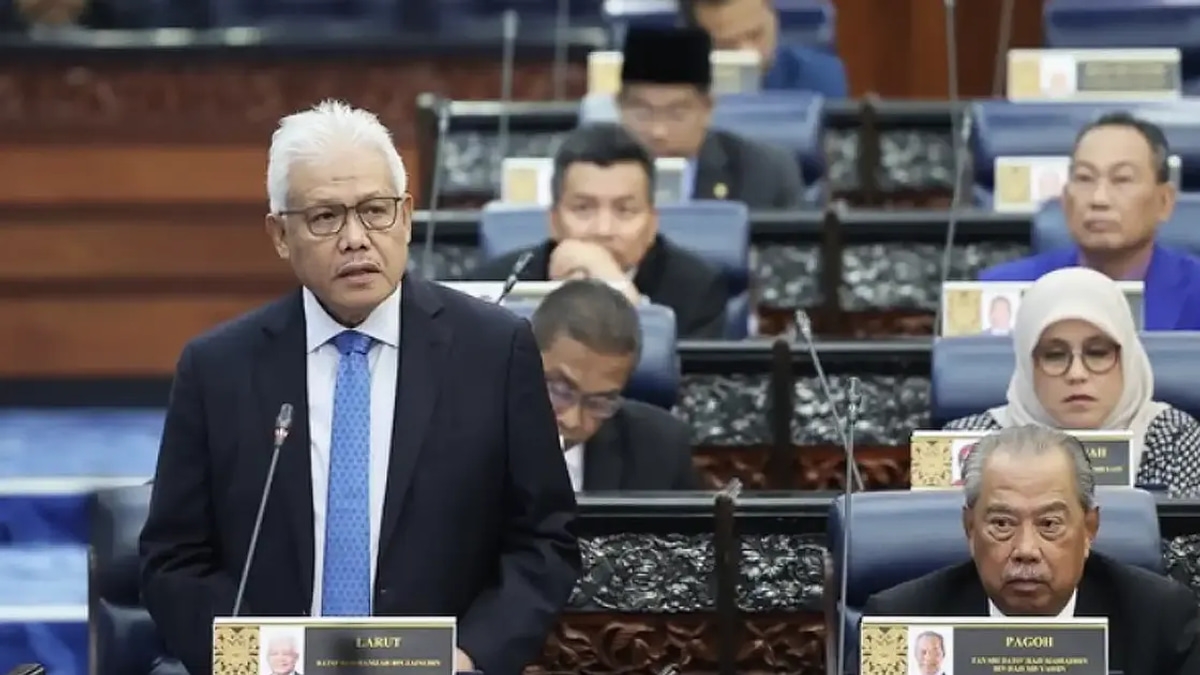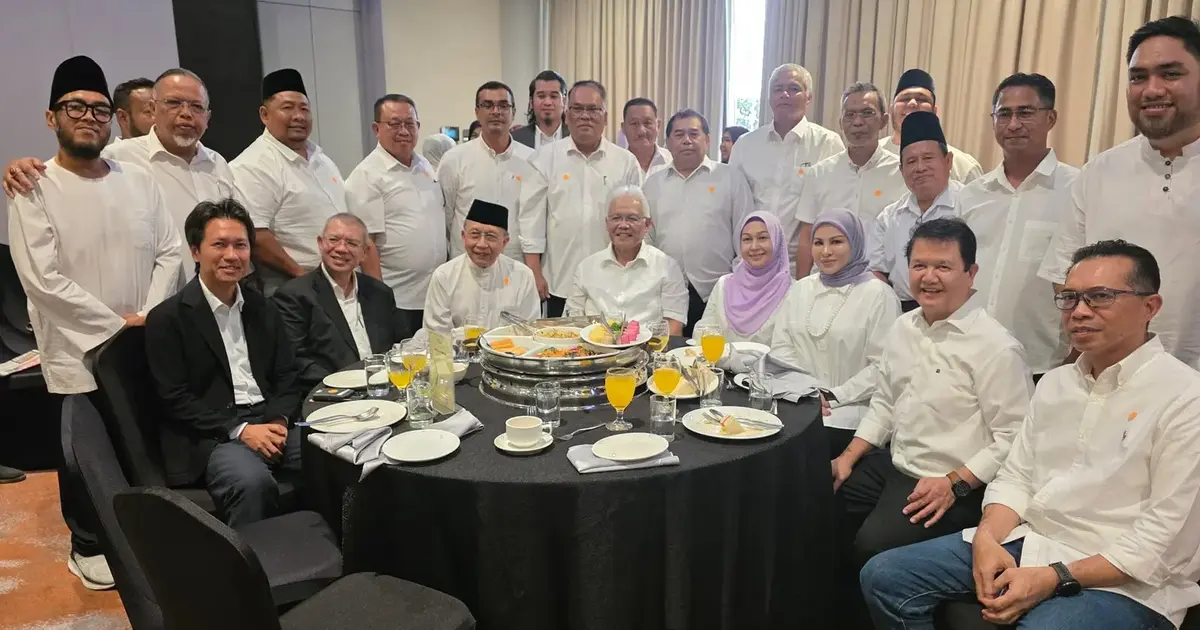
Hamzah Zainudin has been appointed president of Wawasan, marking a significant leadership restructuring for the political movement or organization. The appointment comes as part of a broader reorganization aimed at strengthening the group's governance and strategic direction moving forward.
Rais Yatim, a seasoned political figure with decades of experience in Malaysian politics, has assumed the position of chairman. His extensive background in governance and public administration brings considerable weight to Wawasan's leadership structure. Yatim's career spans multiple ministerial roles and high-profile positions, positioning him to provide oversight and strategic guidance as the organization navigates the evolving political landscape.
Saifuddin Abdullah, who represents the Indera Mahkota parliamentary constituency, has been appointed secretary-general, completing the triumvirate of top leadership positions. As a sitting Member of Parliament, Abdullah brings direct legislative experience and grassroots political connectivity to the secretariat. His appointment suggests Wawasan is emphasizing active parliamentary engagement in its organizational operations.
The leadership announcement reflects broader movements within Malaysian politics as various groups and movements reposition themselves in response to shifting political dynamics. Wawasan's restructuring comes at a time when political coalitions and movements across the country are reassessing their strategies and organizational frameworks. This reshuffling of top positions often signals an effort to inject fresh momentum or realign priorities within an organization.
For Malaysian readers and political observers, these appointments carry implications beyond mere administrative changes. The combination of veteran political experience through Rais Yatim's chairmanship and active parliamentary representation through Saifuddin Abdullah's secretarial role suggests Wawasan is pursuing a dual strategy of institutional credibility and legislative influence. This balance between seasoned governance and contemporary political engagement is common among organizations seeking to maintain relevance across different voter demographics and political circles.
Rais Yatim's involvement is particularly noteworthy given his reputation as an intellectual and articulate voice on governance issues. His previous roles have involved cultural and administrative portfolios, suggesting his appointment may signal Wawasan's interest in broader societal engagement beyond narrow party politics. This positioning could indicate the organization's ambitions to appeal to a wider cross-section of Malaysian society interested in governance and vision-setting beyond traditional partisan boundaries.
Saifuddin Abdullah's active status as Member of Parliament for Indera Mahkota, one of Kuala Lumpur's urban constituencies, provides Wawasan with direct access to parliamentary procedures and legislative channels. Urban constituencies like Indera Mahkota typically represent diverse demographic profiles, from young professionals to established business communities, suggesting the secretary-general's appointment may reflect Wawasan's strategic focus on urban and educated voter segments.
These appointments must be understood within Malaysia's complex political ecosystem, where organizations and movements frequently undergo leadership transitions to maintain strategic flexibility. The timing and composition of Wawasan's new leadership structure may indicate responses to recent political developments or realignment of priorities. Malaysian political movements routinely adjust their top personnel as they respond to electoral cycles, coalition dynamics, and shifting public sentiment.
The three-person leadership team represents different generational and experiential perspectives. While Rais Yatim brings historical depth and institutional memory from previous eras of Malaysian governance, Hamzah Zainudin and Saifuddin Abdullah represent relatively more contemporary political voices. This intergenerational mix is increasingly common in Malaysian political organizations seeking to bridge traditional and modern political sensibilities.
For stakeholders and observers monitoring Malaysian political developments, these appointments warrant attention regarding Wawasan's intended trajectory. The choice of individuals with specific backgrounds in governance, legislation, and political representation suggests deliberate positioning. Whether this restructuring presages new policy initiatives, broader political realignments, or simply routine organizational refreshment will become clearer as Wawasan's leadership operates under this new configuration.
The broader significance of these appointments extends to how they reflect contemporary Malaysian political preferences. The emphasis on experienced administrators, active legislators, and organized institutional structures suggests continued belief in hierarchical, professional political organization despite rising grassroots and digital political movements. This traditional model persists in Malaysian politics even as new forms of political engagement emerge across the country's diverse media landscape.