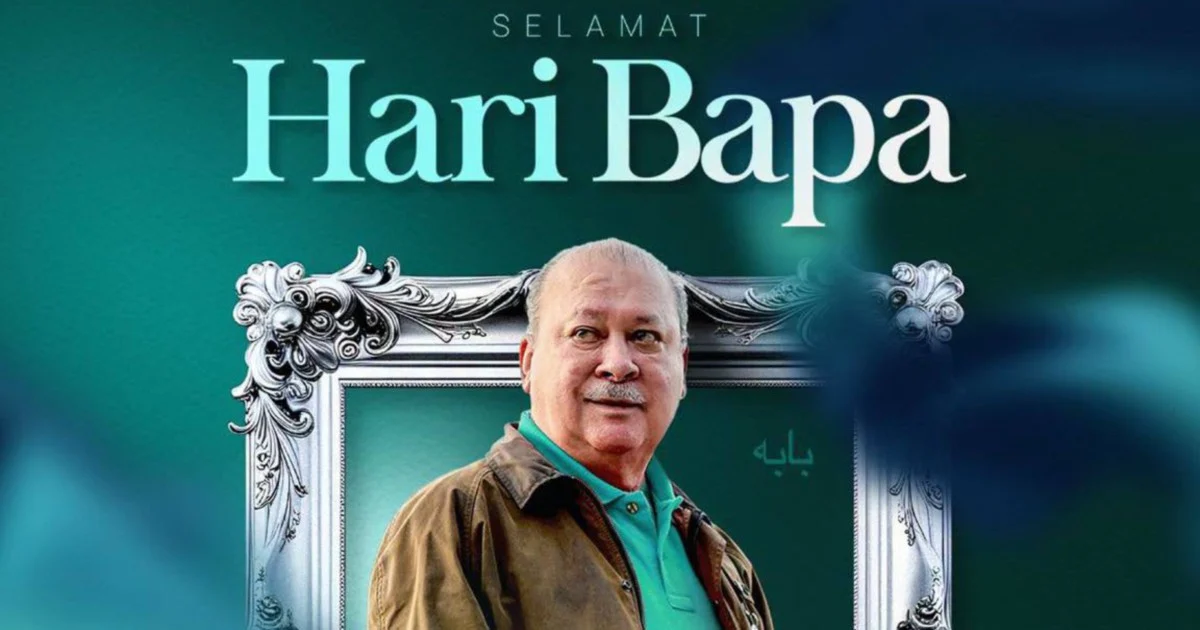
His Majesty Sultan Ibrahim, King of Malaysia, and Her Majesty Raja Zarith Sofiah, Queen of Malaysia, have released a formal Father's Day message extending warm greetings to all fathers across the nation. The gesture from the nation's highest offices underscores the cultural and social significance placed on paternal figures within Malaysian society, and reflects the royal household's commitment to acknowledging milestones that celebrate family values central to the country's identity.
The royal message coincides with the annual celebration of Father's Day, a tradition observed across much of the world to honour the contributions and sacrifices of fathers in their families and communities. In Malaysia, the occasion has grown increasingly prominent, providing an opportunity for the public to reflect on and express appreciation for paternal relationships. The intervention by the King and Queen elevates the personal recognition many Malaysians extend on this day to a national level, signalling the institution's endorsement of fatherhood as a cornerstone of family stability.
Father's Day observances have evolved significantly in Malaysia over recent decades, shifting from a relatively low-profile occasion to one that garners increasing media attention and commercial interest. Schools, workplaces, and civic organisations now regularly mark the day with events and campaigns that celebrate fatherhood. The royal household's explicit acknowledgement demonstrates how the monarchy has adapted to reflect contemporary Malaysian values whilst maintaining traditional emphasis on family cohesion.
The message from the palace comes at a time when discussions around parental roles and family structures in Malaysia continue to evolve. Shifting economic realities, changing workforce participation patterns, and evolving gender roles have prompted broader societal conversations about what modern fatherhood entails. The royal recognition of all fathers, without qualification or limitation, appears intended to embrace the diverse expressions and circumstances of fatherhood within the Malaysian population.
Such gestures from the monarchical institution carry particular weight in Malaysia's constitutional framework, where the ruler occupies not only a ceremonial head of state position but also serves as a symbol of national unity and custodian of Islamic values in the Federation. The joint message from the King and Queen reinforces this dual role, combining the formal office with personal warmth that connects the institution to everyday Malaysian family life.
The timing and framing of such greetings also reflect broader trends within Commonwealth nations and Islamic monarchies, where contemporary royalty increasingly engages with themes of family, community, and social cohesion through celebratory messages. These communications serve to humanise the office of the monarch whilst reaffirming the institution's relevance to the lives of ordinary citizens. For many Malaysians, receiving acknowledgement from their sovereign on occasions centred on family represents a meaningful connection to national leadership.
Regionally, the approach taken by Malaysia's royal household mirrors efforts by other Southeast Asian monarchies to maintain strong public engagement and cultural resonance. Thailand, Brunei, and Cambodia's royal institutions similarly issue regular messages acknowledging important social occasions and family-centred observances. This regional pattern suggests a coordinated effort among traditional monarchies to strengthen their institutional presence within contemporary society by validating values their populations hold dear.
For fathers themselves, whether they are young fathers navigating early parenting challenges, older men reflecting on decades of family stewardship, or those in non-traditional family arrangements, such national recognition can provide meaningful validation. In a society where cultural expectations around masculinity and paternal roles remain relatively traditional, official acknowledgement from the highest office creates space for diverse expressions of fatherhood to be seen as equally valued and important.
The message also arrives in an era where mental health awareness, work-life balance, and paternal engagement have become increasingly significant topics in Malaysian public discourse. Recognition of fatherhood from the palace can help normalise conversations around the emotional and psychological dimensions of parenting, areas that have historically received less attention than maternal roles in Asian societies. By extending greetings to all fathers, the royal household subtly endorses a more nuanced understanding of family responsibility.
Moving forward, such gestures establish expectations that the monarchy will continue acknowledging occasions significant to Malaysian society. While Father's Day greetings may appear ceremonial or routine, they represent an important channel through which the institution communicates its values and priorities to the nation. For a population that places considerable cultural significance on respect for authority and hierarchical recognition, a message from the palace carries distinctly different weight than similar messages from other organisations or media outlets.
The Father's Day greetings from the King and Queen ultimately reflect both a respect for existing social traditions and an acknowledgement of evolving family structures within Malaysia. Whether viewed through the lens of cultural preservation, institutional modernisation, or simple recognition of an important social occasion, the message serves multiple purposes within Malaysia's political and social landscape. It reinforces family as a central value whilst simultaneously positioning the monarchy as an institution that understands and supports the diverse realities of contemporary Malaysian life.