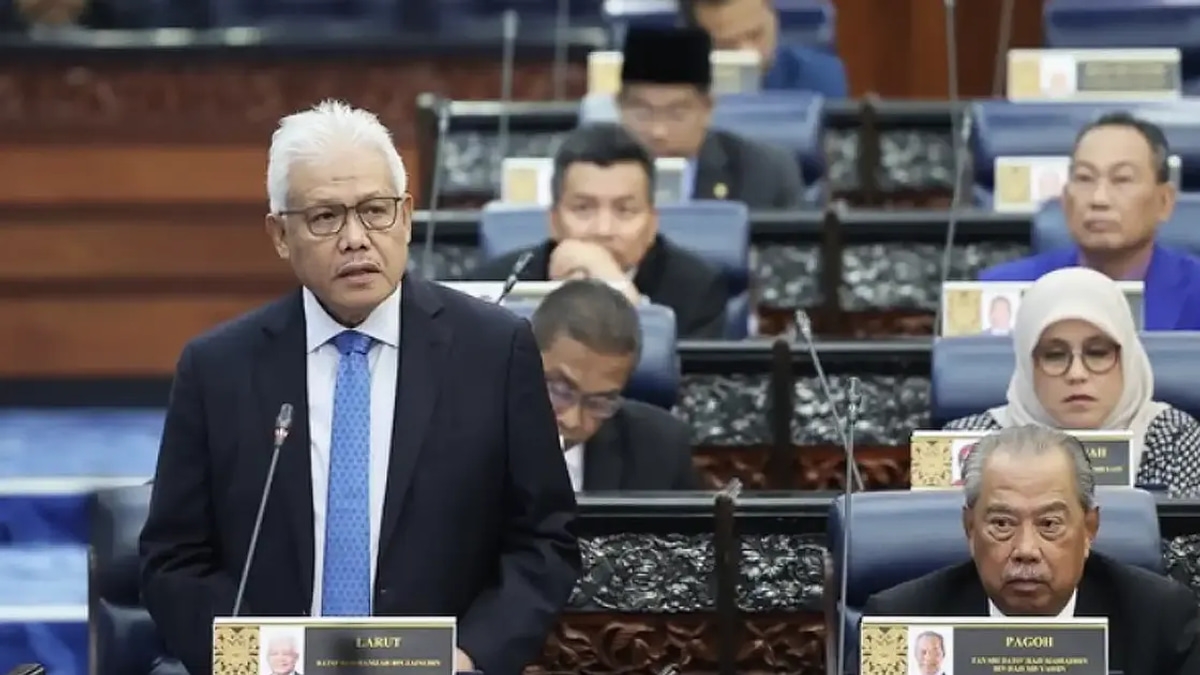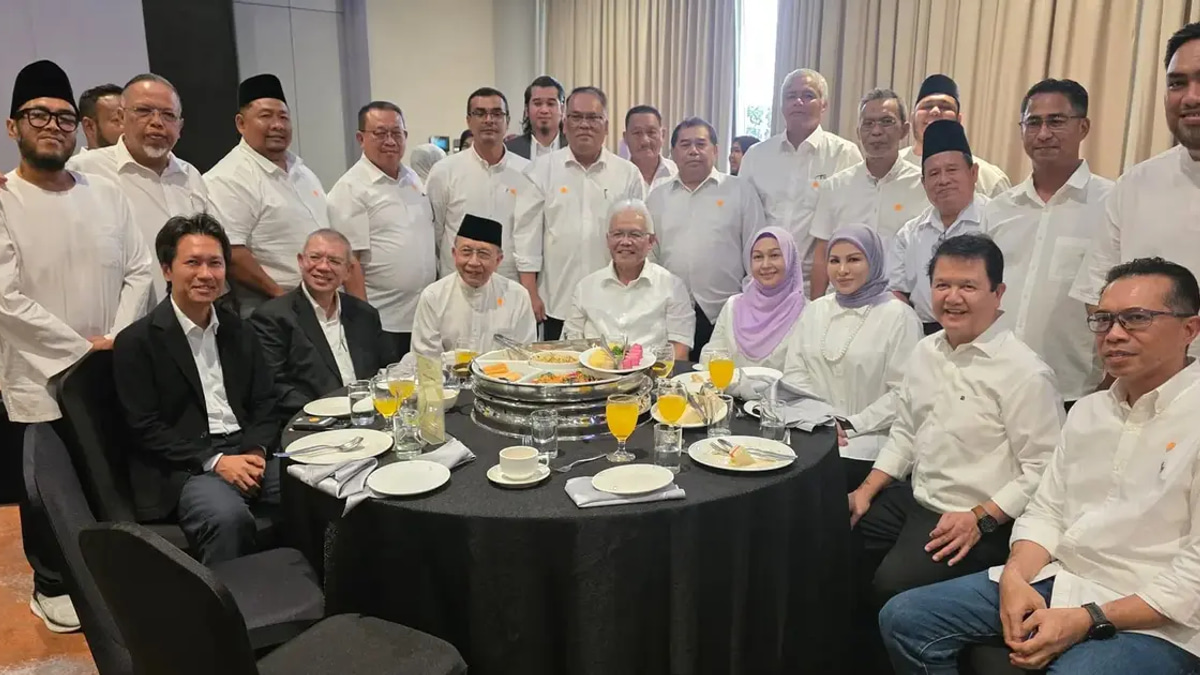
Multiple senior politicians representing both Pakatan Harapan and the United Malays National Organisation are reportedly making overtures to the Bersama party about the possibility of joining its ranks, according to statements by party leadership. This development reflects an ongoing realignment in Malaysian politics as established coalitions explore ways to consolidate their parliamentary standing and organisational structures.
The disclosure emerged from high-level party insiders who indicated that personalities from across Malaysia's political spectrum are considering what would amount to a significant shift in affiliation. Such moves, if formalised, would mark a departure from the binary coalition system that has dominated recent Malaysian politics, where Pakatan Harapan and Barisan Nasional have represented the primary opposing blocs.
Bersama, which has positioned itself as an independent political entity, would benefit substantially from the addition of established figures currently within larger coalitions. The party has been steadily building its presence since its formation, and acquiring experienced politicians with existing grassroots networks would substantially enhance its capacity to contest elections at both federal and state levels across Malaysia.
For Pakatan Harapan, the loss of senior members to another coalition could complicate its unity and governance strategies. The coalition has faced internal tensions in recent years, particularly following electoral setbacks and disputes over portfolio allocation. Some prominent figures may perceive Bersama as offering greater autonomy or influence than their current positions allow within the larger umbrella organisation.
Umno's potential defections carry particular weight given the party's historical dominance in Malaysian politics. The party has experienced internal turbulence and shifting power dynamics, especially following leadership changes and corruption-related controversies that have reshaped its parliamentary representation. Individual members exploring alternatives suggests growing internal fragmentation that could influence voting coalitions in Parliament.
The strategic calculus behind such moves involves several considerations. Politicians evaluating party switches must weigh personal ambitions against existing relationships, constituency support, and party machinery. Bersama's independent status offers potential advantages in terms of policy autonomy and coalition flexibility, particularly as the political landscape becomes increasingly unpredictable.
Malaysia's political system has seen several such realignments historically. The movement of politicians across party lines is not unprecedented, though the scale and prominence of those reportedly involved in current discussions suggests this may carry broader implications for parliamentary arithmetic and future coalition-building exercises.
For Malaysian voters and the broader electorate, such developments underscore the fluid nature of contemporary politics. Rather than rigid ideological divides, politicians increasingly appear motivated by opportunism and institutional positioning. This pattern raises questions about governance continuity and policy consistency when elected representatives frequently alter their organisational affiliations.
Bersama's growth would reshape the Malaysian political landscape significantly. A stronger Bersama, bolstered by defections from both major coalitions, could occupy a meaningful middle ground and potentially become a kingmaker in closely contested parliamentary situations. This intermediary position might offer leverage in negotiations over cabinet positions and policy priorities that larger coalitions cannot guarantee.
The timing of these reported approaches coincides with broader uncertainty about Malaysia's political future. Rumours of snap elections, ongoing debates about electoral reform, and shifting public sentiment create an environment where politicians reassess their organisational commitments. Bersama's emergence as an apparent destination reflects the search for alternatives to established coalitions by those dissatisfied with their current standing.
These developments merit close monitoring by political observers, as they may indicate the beginning of a more fragmented political era in Malaysia. Should substantial numbers of experienced politicians successfully transition to Bersama, the resultant three-way competition could alter how governments are formed and how parliamentary business is conducted for years to come.
Regionally, Malaysia's internal political dynamics influence Southeast Asia's broader political economy. A more fragmented Malaysian political system could affect the country's policy consistency on issues ranging from trade negotiations to security cooperation with neighbouring states. How the country manages coalition politics shapes its diplomatic positioning and economic strategy in an increasingly complex regional environment.