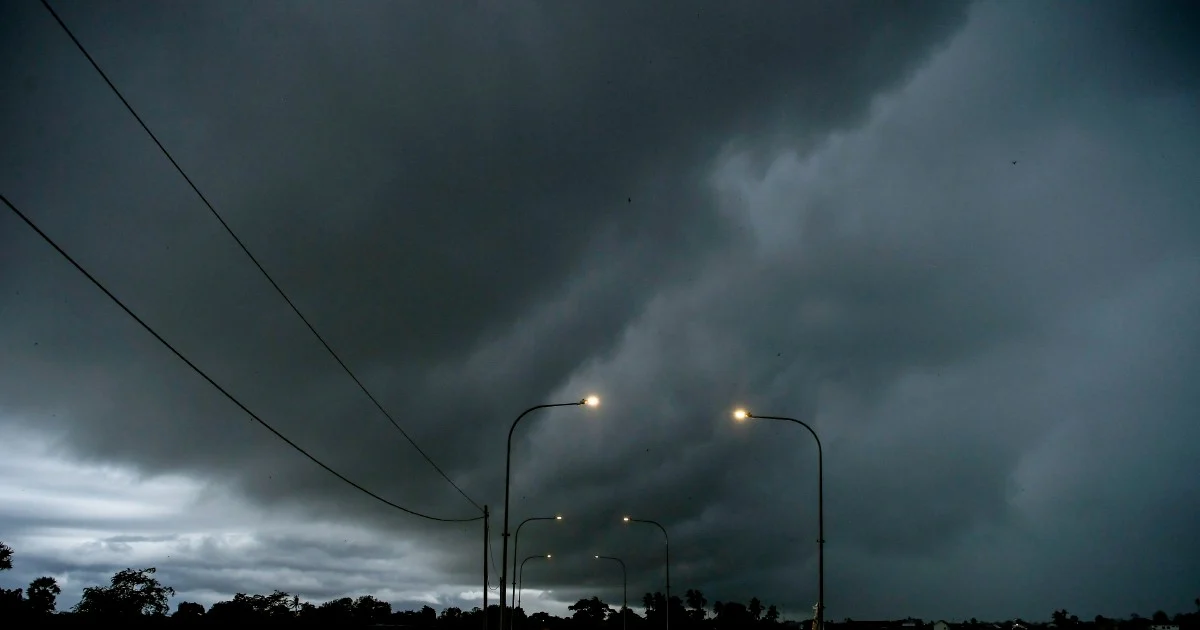
The Malaysian Meteorological Department (MetMalaysia) has activated a thunderstorm alert across multiple regions, cautioning residents and commuters to prepare for treacherous weather conditions expected to persist throughout the remainder of the day. Heavy downpours combined with powerful wind gusts are anticipated to sweep through selected areas spanning Peninsular Malaysia as well as the East Malaysian states of Sabah and Sarawak, with meteorologists warning that conditions are unlikely to ease before the 5pm deadline.
Thunderstorm warnings of this nature typically signal a heightened risk of localised flash flooding, particularly in low-lying districts and areas with poor drainage infrastructure. The combination of intense rainfall and strong winds presents a dual hazard that can disrupt transportation networks, compromise structural integrity, and create dangerous conditions for outdoor activities. Residents in vulnerable communities should monitor their surroundings closely and be prepared to relocate to higher ground if water levels rise unexpectedly.
The MetMalaysia advisory underscores the unpredictable nature of Malaysia's tropical climate, where afternoon thunderstorm systems can develop rapidly and intensify without warning. The convergence of moisture-laden air masses and atmospheric instability has created conditions favourable for the development of organised convective systems across the nation. Such weather patterns are not uncommon during this period, though the specific intensity and geographic distribution of today's storms warrants the formal alert from the national weather authority.
Commuters and road users are urged to exercise heightened caution during their evening journeys, as strong winds and reduced visibility from heavy rain can significantly impair driving conditions. Motorists should reduce speed, maintain greater following distances from other vehicles, and consider postponing non-essential travel until weather conditions improve. Public transportation operators may also experience delays and service disruptions due to the adverse conditions, and passengers should plan accordingly.
Airport authorities and aviation operations centres have likely been notified of the severe weather prospects, potentially resulting in flight delays or temporary ground stops for aircraft operations. The presence of powerful wind shear and reduced visibility at altitude creates operational challenges that commercial carriers must navigate carefully. Passengers with bookings at major Malaysian airports should monitor airline announcements for any schedule adjustments arising from the forecasted conditions.
The agricultural sector faces potential losses should the thunderstorms intensify as predicted. Smallholder farmers and plantation operators in affected regions may experience crop damage from wind gusts and flooding, whilst livestock operations could face challenges in providing shelter and maintaining animal welfare during the volatile weather. The cumulative impact of successive storm events can strain agricultural productivity across regions heavily dependent on outdoor cultivation.
Regional and local authorities have a responsibility to ensure that drainage systems are functioning optimally and that emergency response teams are positioned strategically to address potential weather-related incidents. Municipal councils in identified risk zones should activate their disaster management protocols and ensure that shelters are accessible to displaced residents if circumstances warrant evacuation. Communication channels between weather services and emergency management agencies must remain open and responsive.
For residents planning evening activities, deferment is the most prudent course of action. Outdoor events, construction work, and activities requiring clear skies should be rescheduled where feasible. Schools and institutional facilities in affected areas may need to adjust dismissal times or provide temporary shelter for students awaiting transport home. Parents and educators should maintain awareness of developing situations and adjust plans flexibly.
The MetMalaysia warning system represents an important public safety resource, yet its effectiveness depends substantially on public awareness and compliance with recommended precautions. Residents who receive thunderstorm alerts should treat them as credible warnings warranting immediate behavioural adjustment rather than as minor inconveniences. Historical data consistently demonstrates that loss of life and property damage during extreme weather events often correlates with individuals who underestimate severity or ignore official guidance.
Looking beyond today's immediate weather event, Malaysians should recognise that climate variability and weather extremes appear to be intensifying across the region. Urban and rural communities alike would benefit from investing in infrastructure improvements that enhance resilience to flooding, strengthen building standards against wind damage, and improve overall drainage capacity. Individual households can take practical steps to secure loose outdoor items, trim overhanging vegetation, and maintain emergency supplies in preparation for severe weather episodes.
The 5pm timeline provided by MetMalaysia should not be interpreted as a precise endpoint after which conditions will rapidly normalise. Rather, meteorologists are projecting that the most intense convective activity is unlikely to persist significantly beyond that hour, though isolated showers or localised gustiness may continue afterwards. Residents should remain vigilant even as evening progresses and seek updates from official sources regarding actual weather developments in their specific localities.


%22%2F%3E%3C%2Fpattern%3E%3C%2Fdefs%3E%3Crect%20width%3D%22100%25%22%20height%3D%22100%25%22%20fill%3D%22url(%23ph2hy9vg)%22%2F%3E%3Crect%20width%3D%22100%25%22%20height%3D%22100%25%22%20fill%3D%22url(%23ph2hy9vp)%22%2F%3E%3Ctext%20x%3D%2250%25%22%20y%3D%2250%25%22%20text-anchor%3D%22middle%22%20dominant-baseline%3D%22central%22%20fill%3D%22rgba(255%2C255%2C255%2C0.95)%22%20font-family%3D%22Georgia%2C%20'Times%20New%20Roman'%2C%20serif%22%20font-weight%3D%22700%22%20font-size%3D%22272%22%20letter-spacing%3D%22-0.02em%22%3EAnwar%3C%2Ftext%3E%3C%2Fsvg%3E)