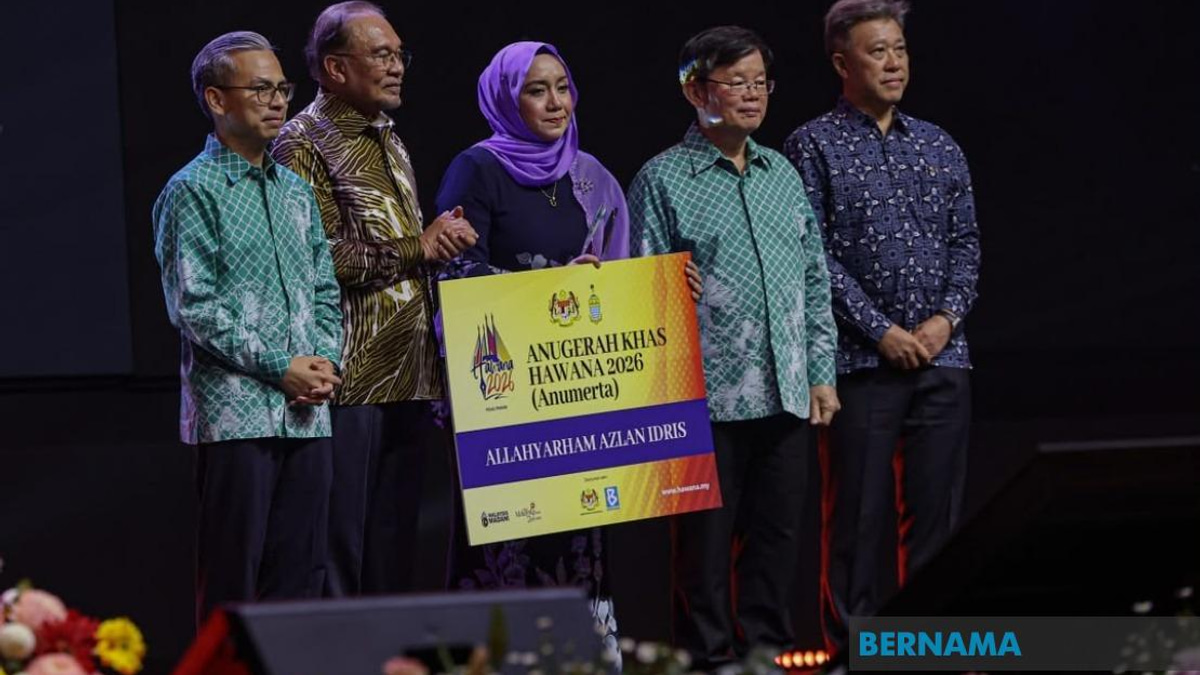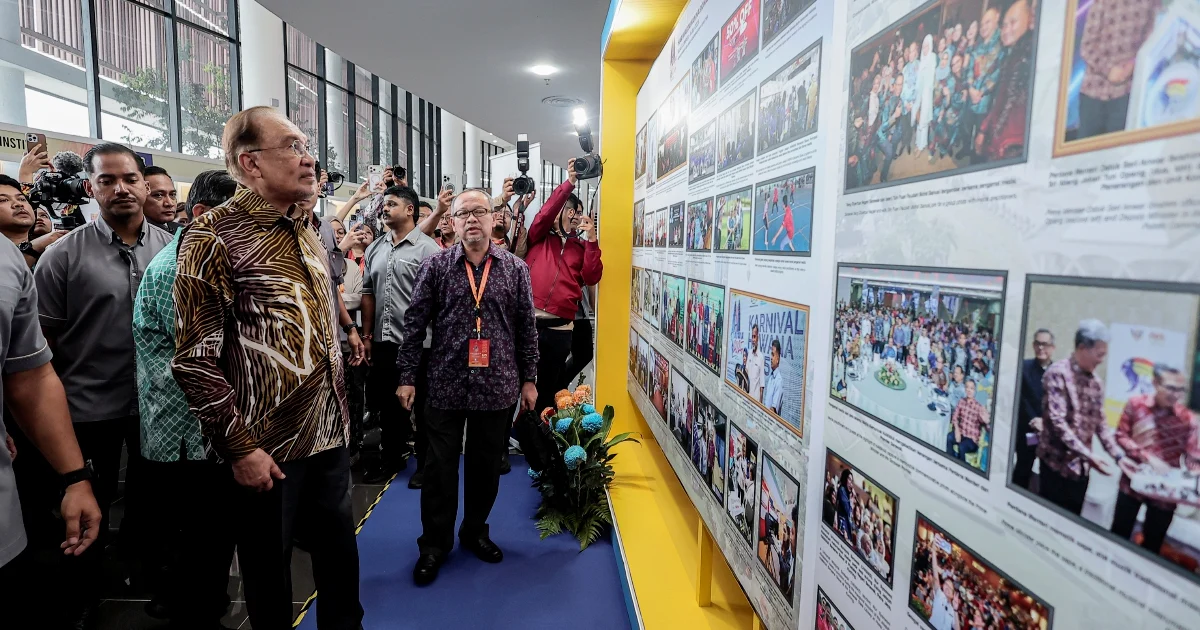
Prime Minister Datuk Seri Anwar Ibrahim announced a RM1 million government injection into Tabung Kasih@Hawana 2026 during an address in Permatang Pauh, signalling the administration's commitment to addressing welfare concerns within Malaysia's journalism sector. The fund represents a concrete financial commitment to support media workers facing economic pressures in an industry undergoing rapid transformation.
The Tabung Kasih@Hawana initiative targets journalism professionals who have experienced hardship or face financial vulnerability during their careers. This welfare mechanism addresses a longstanding challenge in Malaysia's media landscape: the precarious employment conditions and income volatility that characterise much of the industry, particularly among freelancers and workers at smaller publications struggling with declining advertising revenues.
Anwar's announcement reflects broader government recognition that Malaysia's transition toward a more competitive, digital-first media environment requires social safeguards for existing workers. The media industry has experienced significant restructuring over the past decade, with numerous closures, mergers, and workforce reductions affecting thousands of journalists nationwide. By establishing this welfare fund, the government acknowledges that market-driven changes alone cannot address the human costs of industrial evolution.
The allocation comes at a time when regional media sectors across Southeast Asia face intensifying competitive pressure from digital platforms and changing audience consumption patterns. Malaysia's journalism workforce has contracted substantially since the mid-2010s, with print publications particularly affected by declining circulation and advertising spend migration to online channels. The welfare fund represents an attempt to cushion workers during this prolonged transition while the industry establishes new sustainable revenue models.
Beyond the immediate RM1 million allocation, Anwar emphasised the government's intention to maintain ongoing support for initiatives designed to modernise the media industry broadly. This suggests a multi-year strategic approach rather than a one-off gesture, positioning media sector development as a priority within the administration's broader economic transformation agenda. Such sustained commitment contrasts with previous periods of policy uncertainty regarding media development in Malaysia.
The timing of this announcement carries significance for Malaysia's standing as a Southeast Asian media hub. As countries throughout the region grapple with ensuring journalistic sustainability, government support—when structured transparently and without editorial interference—can help maintain professional standards and support quality news production. The welfare fund framing suggests this is intended as a worker-support measure rather than a tool for influencing editorial direction.
Industry observers will scrutinise how the fund operates in practice, particularly regarding eligibility criteria, application processes, and whether distribution reflects genuine need or becomes subject to political considerations. For media professionals, the fund offers tangible relief but cannot address systemic challenges driving precarity: the structural decline of print advertising, competition from international digital platforms, and the challenge of building viable subscription and alternative revenue models.
Malaysian journalists have historically lacked comprehensive social safety nets comparable to other professions, with pension schemes and unemployment insurance remaining limited in coverage. A welfare fund, while welcome, remains supplementary rather than transformative without parallel reforms to employment standards, professional development support, and mechanisms enabling news organisations to achieve financial sustainability.
The government's framing of media transformation suggests recognition that journalism serves broader public interest functions beyond commercial considerations. This positioning aligns with international trends toward public investment in news infrastructure, though Malaysia's approach remains modest compared to some comparable economies. The RM1 million commitment, while meaningful for individual beneficiaries, represents relatively limited investment relative to the scale of industry challenges and the size of Malaysia's media workforce.
For regional context, this announcement reflects growing political attention across Southeast Asia toward media sector sustainability. Governments throughout the region increasingly acknowledge that allowing commercial market forces alone to determine media industry structure risks undermining journalism's social function. Malaysia's approach—targeted welfare support combined with broader transformation initiatives—reflects an emerging consensus that deliberate policy engagement proves necessary.
The welfare fund's success ultimately depends on transparent administration and genuine accessibility for journalists facing hardship. Coupled with Anwar's commitment to continued support for industry-wide modernisation initiatives, the allocation suggests the government intends media development as an ongoing policy priority rather than a peripheral concern. Implementation details will prove crucial in determining whether this represents substantive progress toward improving conditions for Malaysia's journalism professionals.