%22%2F%3E%3C%2Fpattern%3E%3C%2Fdefs%3E%3Crect%20width%3D%22100%25%22%20height%3D%22100%25%22%20fill%3D%22url(%23ph2hy9vg)%22%2F%3E%3Crect%20width%3D%22100%25%22%20height%3D%22100%25%22%20fill%3D%22url(%23ph2hy9vp)%22%2F%3E%3Ctext%20x%3D%2250%25%22%20y%3D%2250%25%22%20text-anchor%3D%22middle%22%20dominant-baseline%3D%22central%22%20fill%3D%22rgba(255%2C255%2C255%2C0.95)%22%20font-family%3D%22Georgia%2C%20'Times%20New%20Roman'%2C%20serif%22%20font-weight%3D%22700%22%20font-size%3D%22272%22%20letter-spacing%3D%22-0.02em%22%3EAnwar%3C%2Ftext%3E%3C%2Fsvg%3E)
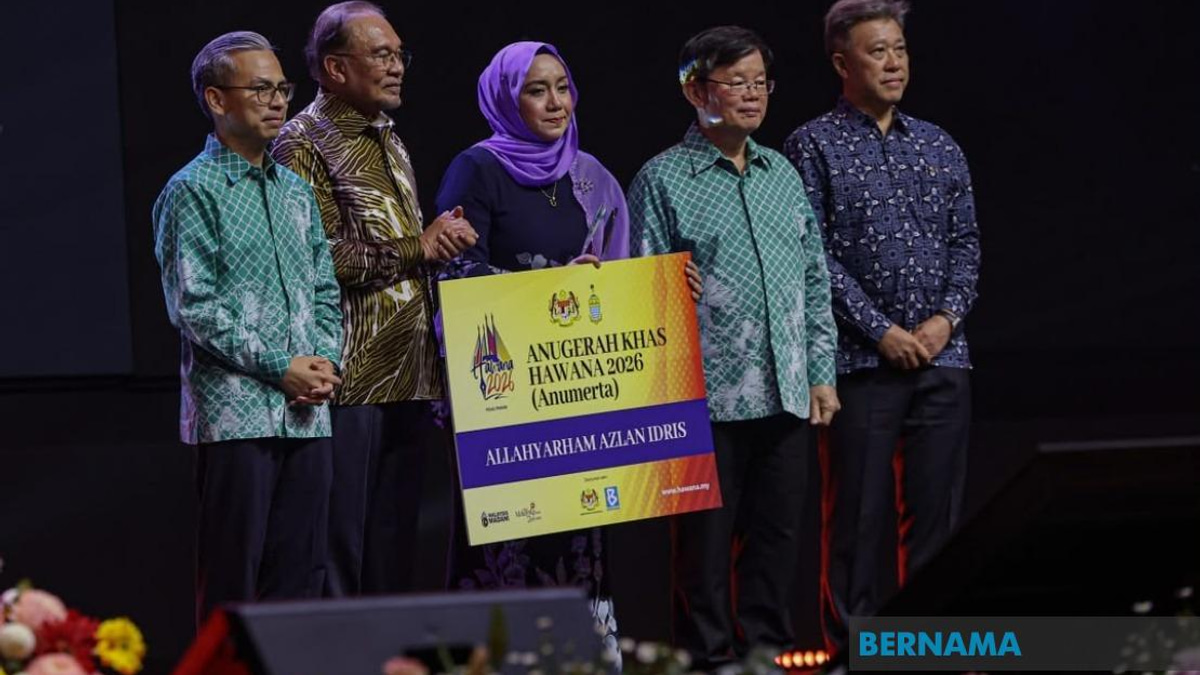
Prime Minister Datuk Seri Anwar Ibrahim is set to present the HAWANA prizes and bestow special awards upon journalists at an official ceremony held at the PICCA Convention Centre in Butterworth, underscoring the government's commitment to recognising excellence and integrity within Malaysia's media landscape.
The event represents a significant occasion for the journalism community, as the HAWANA awards celebrate outstanding contributions to the profession and highlight the crucial role that media practitioners play in Malaysian society. By personally attending and presenting these accolades, Anwar demonstrates the administration's engagement with press freedom and the importance of quality reportage in holding institutions accountable and informing the public.
The venue of choice—the PICCA Convention Centre in the Seberang Perai district—signals an intentional effort to bring this recognition ceremony beyond the capital city, thereby acknowledging journalistic work and media outlets operating across the country's regions. Such initiatives help reinforce that excellence in journalism is not confined to major urban centres but flourishes throughout Malaysia's diverse communities.
The HAWANA awards have historically served as a platform to distinguish journalists who demonstrate exceptional reporting, investigative prowess, ethical standards, and contribution to their respective newsrooms and publications. The special awards component suggests that this year's ceremony will include additional categories or honorary recognition, potentially honouring veteran journalists or those who have undertaken particularly challenging or impactful work.
Anwar's participation reflects broader government messaging around media relations and press freedom, particularly significant given Malaysia's ongoing evolution in governance transparency and accountability. The Prime Minister's visible support for journalism awards sends a nuanced signal about the administration's relationship with the fourth estate—acknowledging the profession's importance while reinforcing expectations for responsible and truthful reporting.
For Malaysian journalists, such recognition carries professional and personal weight. Award ceremonies provide opportunities for the media community to celebrate peers, share best practices, and collectively reinforce standards within an industry that often operates under tight deadlines and resource constraints. The presence of the Prime Minister elevates the prestige of these awards and provides broader public attention to journalistic achievement.
The timing and location of this ceremony also merit consideration within the context of Seberang Perai's economic and political significance. As an industrial and commercial hub, the region hosts numerous media operations and journalism-related activities. Holding the awards ceremony there acknowledges the vibrant media ecosystem beyond Kuala Lumpur and recognises regional journalists' contributions to national discourse.
Journalism in Malaysia continues to navigate complex terrain, balancing reporting obligations with various regulatory frameworks and social considerations. Award initiatives like HAWANA help establish and reinforce professional standards, offering journalists tangible recognition when they excel despite these challenges. Such recognition can inspire emerging journalists and encourage newsrooms to invest in quality, investigative reporting.
The special awards component may also reflect efforts to expand recognition beyond traditional categories, potentially honouring journalism that addresses underreported issues, serves marginalised communities, or demonstrates exceptional courage in pursuing stories of public interest. This evolution in awards frameworks demonstrates how professional recognition mechanisms adapt to contemporary journalistic needs and societal expectations.
From a regional perspective, Malaysia's investment in media awards and recognition ceremonies aligns with similar initiatives across Southeast Asia, where several nations emphasise journalistic excellence through formal prize structures. These awards systems collectively contribute to raising professional standards and fostering a culture where quality reporting is valued and celebrated throughout the region.
The ceremony at PICCA Convention Centre will likely gather editors, journalists, media organisation leaders, and government officials, creating a networking opportunity for the profession. Such gatherings facilitate professional conversations, encourage collaboration between different media outlets, and strengthen the informal networks that support journalistic development and ethical practice.
Moving forward, Anwar's engagement with journalism recognition highlights the administration's positioning on media matters as the country continues navigating questions about press freedom, digital journalism, misinformation, and the evolving role of traditional and online media. The government's willingness to celebrate journalistic achievement suggests confidence in media institutions' capacity to serve the public interest responsibly.
Ultimately, this event encapsulates broader themes about governance, accountability, and the relationship between political leadership and the press in contemporary Malaysia. By honouring journalists through formal recognition, the Prime Minister's office signals that quality reporting remains valued within Malaysia's democratic framework, even as the industry confronts ongoing challenges related to business models, digitalisation, and the broader information ecosystem.