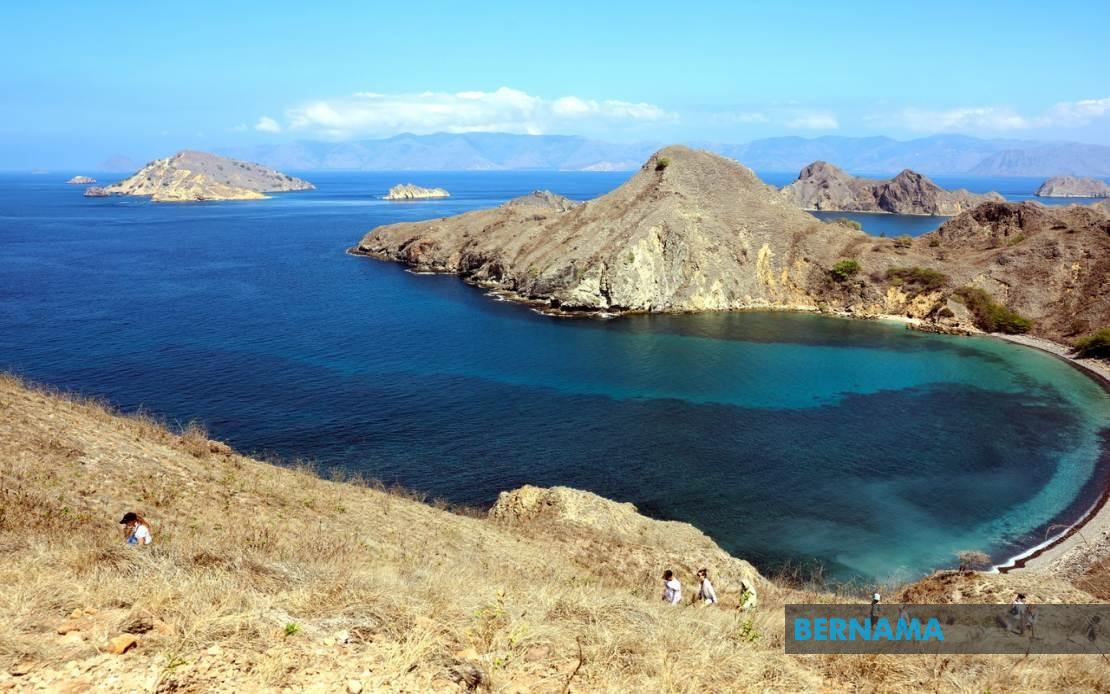
Indonesia is expressing confidence in its ability to maintain emerging market status despite recent criteria adjustments from MSCI Inc., the influential global index provider. The government's assertion comes as the country faces an upcoming international classification review that could affect its standing among investors worldwide. This reassurance reflects Jakarta's broader economic strategy to sustain foreign investment flows and market credibility at a time when emerging markets face heightened scrutiny from international financial institutions.
Meanwhile, Indonesia is broadening its strategic partnerships to strengthen energy security. The country's collaboration with Kuwait represents a significant bilateral move to address global economic volatility and geopolitical tensions affecting energy markets. This cooperation underscores how Southeast Asian nations are actively seeking to secure reliable energy supplies through diversified partnerships, particularly with major oil-producing states. For Malaysia, Indonesia's energy diplomacy offers both lessons and potential opportunities for coordinated regional energy security strategies amid broader Indo-Pacific uncertainties.
Myanmar's government is intensifying efforts to preserve its rich cultural heritage through new legislative frameworks and updated regulations. Officials have signalled that protecting the nation's ancient cultural assets from erosion—particularly from foreign cultural influences spreading through digital platforms—has become a priority. This initiative reflects concerns across the region about digital globalisation's impact on traditional cultures, a challenge that resonates with Malaysia's own heritage conservation debates. Myanmar's approach highlights the tension between openness to the world and the desire to maintain distinct cultural identities in an increasingly connected era.
In a related development, Yangon is preparing to host the Day of the Seafarer 2026 on June 25, highlighting the maritime sector's importance to Myanmar's economy and regional trade networks. The event will focus on creating employment opportunities and advancing seafarers' professional development, underscoring Southeast Asia's continued dependence on maritime industries. For a region where sea lanes carry enormous commercial traffic and thousands work in shipping and fishing, recognising seafarers' contributions carries practical economic significance beyond symbolic gestures.
The Philippines is experiencing a cultural renaissance abroad, with Filipino visual art gaining notable traction in international markets. A recent one-day exhibition in Bangkok celebrating the nation's 128th Independence Day anniversary demonstrated strong sales momentum, suggesting growing international appetite for Philippine artistic expressions. This success in art exports complements broader Filipino efforts to strengthen cultural soft power across the region and globally, positioning the Philippines as an emerging creative export hub within Southeast Asia.
The same country has also achieved recognition in the halal tourism and products sector, recently ranking as the fifth most popular Muslim-friendly destination among non-OIC nations. This improvement, which represents a rise of three positions in the rankings, reflects the Philippines' deliberate efforts to tap into the substantial global halal market worth billions annually. Malaysia, as the world's leading halal certification hub, can observe how neighbouring countries are developing competing expertise in this high-growth segment, signalling an increasingly competitive regional landscape for halal commerce and tourism.
Singapore has strengthened its maritime emergency response capabilities through a new Marine Division headquarters on Pulau Brani. The four-storey facility, operated by the Singapore Civil Defence Force, incorporates real-time surveillance technology and advanced ship rescue training infrastructure. This investment reflects Singapore's recognition of maritime risks in one of the world's busiest shipping corridors and demonstrates how the city-state is leveraging advanced technology to enhance regional maritime safety. For neighbouring countries including Malaysia, Singapore's maritime infrastructure advances underscore the importance of coordinated emergency response mechanisms across the Strait of Malacca and surrounding waters.
Singapore's Prime Minister Lawrence Wong met with Turkish President Recep Tayyip Erdogan in Istanbul on June 19, reaffirming bilateral ties between the two nations. While geographically distant, Singapore and Turkey maintain strategic diplomatic relations rooted in trade, defence cooperation, and shared interests in global governance. This engagement exemplifies how Southeast Asian nations maintain diverse international partnerships beyond their immediate region, contributing to the broader architecture of multilateral relationships that shape regional security and economic prosperity.
Vietnam's Lam Dong province is positioning itself to capture international halal market opportunities, leveraging its established reputation in high-tech agriculture and tourism. The province's diverse agricultural output—ranging from vegetables and flowers to coffee, tea, fruits, and processed food products—provides a strong foundation for halal certification and export. This regional initiative demonstrates how Vietnamese provinces are adopting specialised market strategies to compete globally, particularly in sectors aligned with growing religious and demographic trends in Asia's consumer markets.
Electric vehicle adoption across Vietnam has accelerated significantly, with the national fleet reaching 374,816 units by May's end. This growth reflects both government incentives and rapidly shifting preferences in public and private passenger transport towards sustainable alternatives. Vietnam's EV expansion mirrors similar trends developing across Southeast Asia, including Malaysia, as the region transitions towards greener transportation systems. The scale of Vietnam's EV market growth suggests increasing competition for regional EV manufacturing and battery supply chains, areas where Malaysia currently holds strategic positioning.
These developments across five Southeast Asian nations reveal a region actively navigating economic modernisation, cultural preservation, strategic energy partnerships, and environmental sustainability simultaneously. Indonesia's confidence in financial market standing, Myanmar's heritage protection efforts, the Philippines' cultural and halal export growth, Singapore's maritime modernisation, and Vietnam's green transport revolution collectively demonstrate how Southeast Asia's economies are pursuing distinctive development paths while remaining interconnected through shared regional interests. For Malaysia, these neighbouring developments underline the importance of competitive positioning across multiple sectors while maintaining collaborative regional frameworks that benefit all parties.

%22%2F%3E%3C%2Fpattern%3E%3C%2Fdefs%3E%3Crect%20width%3D%22100%25%22%20height%3D%22100%25%22%20fill%3D%22url(%23ph2hy9vg)%22%2F%3E%3Crect%20width%3D%22100%25%22%20height%3D%22100%25%22%20fill%3D%22url(%23ph2hy9vp)%22%2F%3E%3Ctext%20x%3D%2250%25%22%20y%3D%2250%25%22%20text-anchor%3D%22middle%22%20dominant-baseline%3D%22central%22%20fill%3D%22rgba(255%2C255%2C255%2C0.95)%22%20font-family%3D%22Georgia%2C%20'Times%20New%20Roman'%2C%20serif%22%20font-weight%3D%22700%22%20font-size%3D%22272%22%20letter-spacing%3D%22-0.02em%22%3EAnwar%3C%2Ftext%3E%3C%2Fsvg%3E)