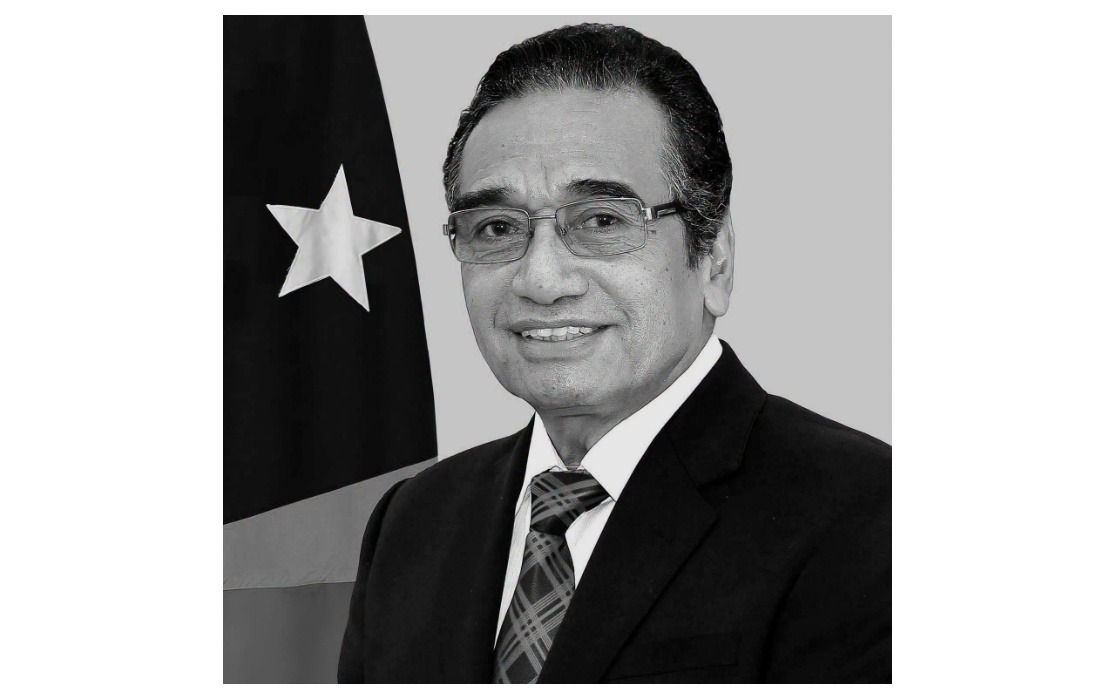
Prime Minister Datuk Seri Anwar Ibrahim has expressed Malaysia's grief over the death of Francisco Guterres, the former president of Timor-Leste, extending official condolences to his family and the Timorese nation. The statesman, who was 71 years old, died on June 21 at Prince Court Hospital in Kuala Lumpur, where he had been receiving intensive medical care. Anwar shared his remarks through a Facebook statement released on June 22, underscoring the significance of Guterres' contributions to regional stability and democratic governance.
Guterres occupied a towering place in Timor-Leste's modern history as one of the architects of the nation's hard-won independence. His life spanned the transformation of the Southeast Asian territory from colonial rule and occupation to sovereign statehood, a journey that demanded decades of sacrifice and unwavering commitment. The Prime Minister acknowledged this legacy, noting that Guterres belonged to the generation whose courage and determination secured freedom for their people, a distinction that resonates throughout the region as an exemplar of resistance and nation-building.
Before ascending to the presidency, Guterres earned his revolutionary nickname, Lú-Olo, during his extensive years in the resistance movement against Indonesian occupation. This alias became synonymous with his underground activism and leadership within clandestine networks that ultimately galvanized popular support for independence. His credentials as a freedom fighter were beyond question, having endured the perils and privations that underground activists faced during Timor-Leste's struggle for self-determination.
Guterres' political trajectory after independence demonstrated his capacity to serve his nation across multiple high-level roles. He first held the position of President of the National Parliament, where he helped shape the legislative frameworks necessary for a nascent democracy. His subsequent election as Head of State from 2017 to 2022 represented the apex of his public service career, a period during which he worked to consolidate democratic institutions and strengthen regional relationships.
The death of Guterres at a Malaysian medical facility holds particular significance for bilateral relations between Kuala Lumpur and Dili. His presence in Malaysia during his final days underscores the close ties between the two nations and suggests that Guterres may have sought advanced medical expertise available in the region. Malaysia's provision of healthcare and the dignified circumstances of his passing reflect the warm diplomatic bonds that have developed between the two countries, particularly as both navigate their roles within Southeast Asia's political landscape.
Guterres' presidency coincided with a critical period in Timor-Leste's democratic consolidation. He served during years when the young nation continued to build institutional capacity and navigate the complexities of regional geopolitics. His tenure witnessed efforts to strengthen ties with neighbouring countries, including Malaysia and other ASEAN members, positioning Timor-Leste as an engaged participant in Southeast Asian affairs despite its geographic remoteness from the mainland region.
The significance of Guterres' passing extends beyond personal loss to represent a moment of reflection for Timor-Leste and its regional partners. He embodied a generation of independence leaders whose personal sacrifices and political vision shaped the trajectory of their nation. His death marks the departure of someone who could speak authoritatively about the country's struggle and its aspirations with the moral authority derived from lived experience.
Anwar's public statement reflects Malaysia's recognition of Guterres' stature and contributions. By mourning alongside the Timorese people, Malaysia signals continued solidarity with a neighbour whose path to independence paralleled regional decolonisation movements throughout Southeast Asia. The Prime Minister's expression of respect and affection for Guterres demonstrates how individual leaders can earn recognition across borders through principled commitment to their people's liberation and democratic governance.
The death occurs as Timor-Leste continues to consolidate its position within regional organisations and international structures. Guterres' role in establishing the constitutional and institutional foundations for this integration means his legacy will shape the nation's trajectory long after his passing. The country faces the challenge of maintaining the democratic standards he helped establish while addressing ongoing development priorities and regional integration challenges.
For Malaysian observers, Guterres' life story exemplifies the regional determination to build democratic nations following liberation from external control. His journey from resistance fighter to statesman offers perspectives relevant to Malaysia's own ongoing democratic development and its engagement with neighbouring states. The respect accorded to him by Malaysian leadership reflects understanding that regional stability and prosperity depend on leaders committed to institutional development and regional cooperation.