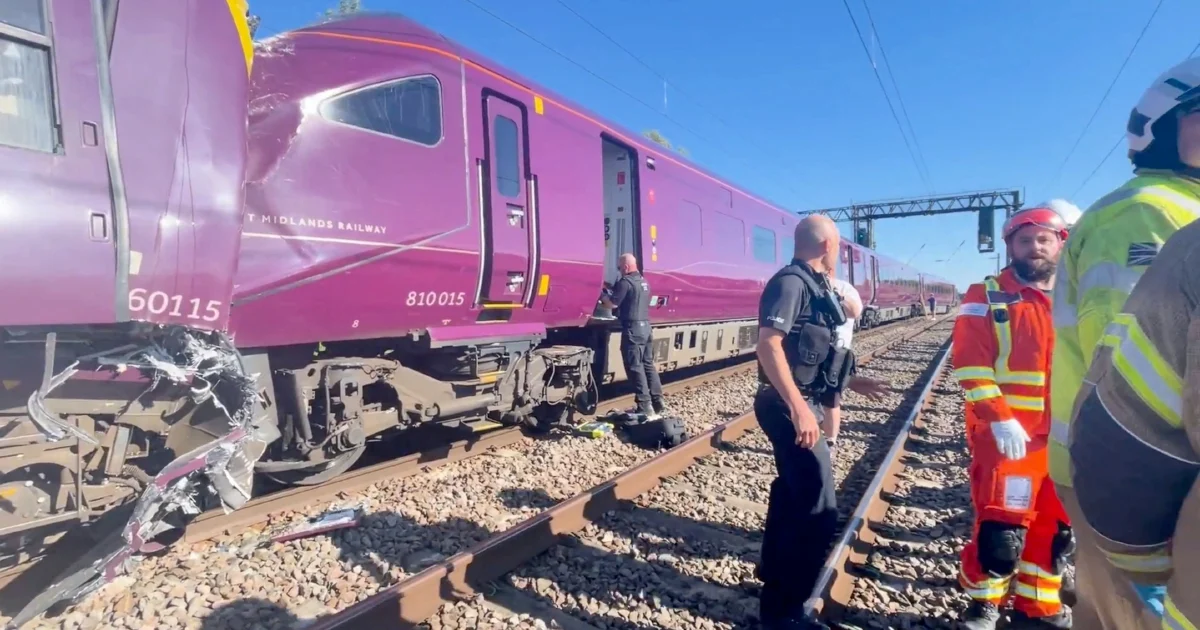
A catastrophic collision between two passenger trains has left one person dead and more than 50 others wounded in an incident that unfolded on Friday morning north of London, according to reports from UK emergency services. Among the injured, 11 sustained injuries classified as very serious, underscoring the severity of the impact that sent shockwaves through the transport network and prompted an immediate, large-scale rescue operation.
The crash occurred on a heavily trafficked rail route serving commuters and long-distance passengers across southeast England. The nature of Friday's incident—involving two full passenger trains meeting head-on or in a similar high-impact configuration—created the conditions for widespread casualties that quickly overwhelmed initial response capacity. Emergency crews, including paramedics, firefighters, and police personnel, descended on the scene within minutes of the collision being reported, establishing triage areas and coordinating patient evacuation from damaged carriages.
For Malaysian observers and transport safety analysts in Southeast Asia, this accident represents a sobering reminder of the consequences when rail infrastructure or operational protocols fail. The UK, despite possessing one of the world's most developed and regulated railway networks, has not remained immune to catastrophic collisions. Such incidents force a reckoning with questions about signalling systems, train driver fatigue, track maintenance, and the human factors that underpin safe rail operations across any developed nation.
The immediate aftermath of the collision saw emergency services grapple with the dual challenge of extracting survivors from wreckage and providing medical intervention to those suffering from crush injuries, fractures, and trauma-related shock. The presence of 11 individuals in very serious condition indicates that several passengers likely faced life-threatening injuries requiring immediate hospitalization and intensive medical management. Hospitals across the region mobilized additional staff and trauma teams to handle the influx of casualties.
British rail authorities are certain to launch comprehensive investigations into the circumstances leading to the collision. Preliminary examinations will focus on whether signalling failures, human error, inadequate braking response, or track-side hazards contributed to the crash. The UK's Rail Accident Investigation Branch, an independent body responsible for analyzing such events, will undertake detailed forensic examination of the train control systems, driver communications, and maintenance records preceding the incident.
For Southeast Asian nations developing or upgrading rail infrastructure—including Malaysia, which operates multiple railway networks serving Kuala Lumpur, the Klang Valley, and longer routes across the peninsula—this incident carries instructive value. Even mature railway systems with decades of operational experience can experience catastrophic failures if vigilance slips or investment in modern safety systems lags behind the complexity of growing passenger volumes.
The collision also raises broader questions about railway overcrowding and scheduling pressures during peak hours. Modern rail operators worldwide face mounting pressure to run frequent services on busy routes, which can inadvertently create conditions where margin for error diminishes. Driver fatigue, particularly on early morning or late-night services, has been implicated in previous transport accidents and remains an area of legitimate regulatory concern across multiple jurisdictions.
Investigators will examine whether the trains involved were equipped with modern collision avoidance technology or automatic train protection systems designed to prevent such accidents through technological intervention. The presence or absence of such systems, and their proper functioning at the moment of impact, will likely constitute a crucial element of the investigation. Older rolling stock or deferred maintenance on safety-critical systems could emerge as contributing factors.
The emotional toll on survivors, witnessing passengers, and responding emergency personnel will extend far beyond the immediate aftermath of the collision. Psychological support services typically accompany major rail incidents, as the trauma associated with experiencing or witnessing a catastrophic accident can manifest in long-term health consequences. Transport operators and local authorities generally establish helplines and counselling resources to assist those affected.
As news of the collision spread, questions naturally arose about whether overcrowding on UK railways had created conditions where evacuation difficulties complicated rescue efforts, and whether modern train design adequately prioritizes passenger safety during high-impact collisions. These concerns resonate throughout the global rail industry and particularly affect rapidly developing nations where railway expansion outpaces safety infrastructure investment.
The incident will likely trigger policy review meetings among UK transport regulators, industry operators, and safety officials. Whether additional funding for signalling upgrades, stricter speed restrictions at particular junctions, mandatory technology installations on older trains, or enhanced operator training protocols will emerge as recommended changes remains uncertain. The investigation process typically requires months of detailed analysis before formal recommendations are issued.