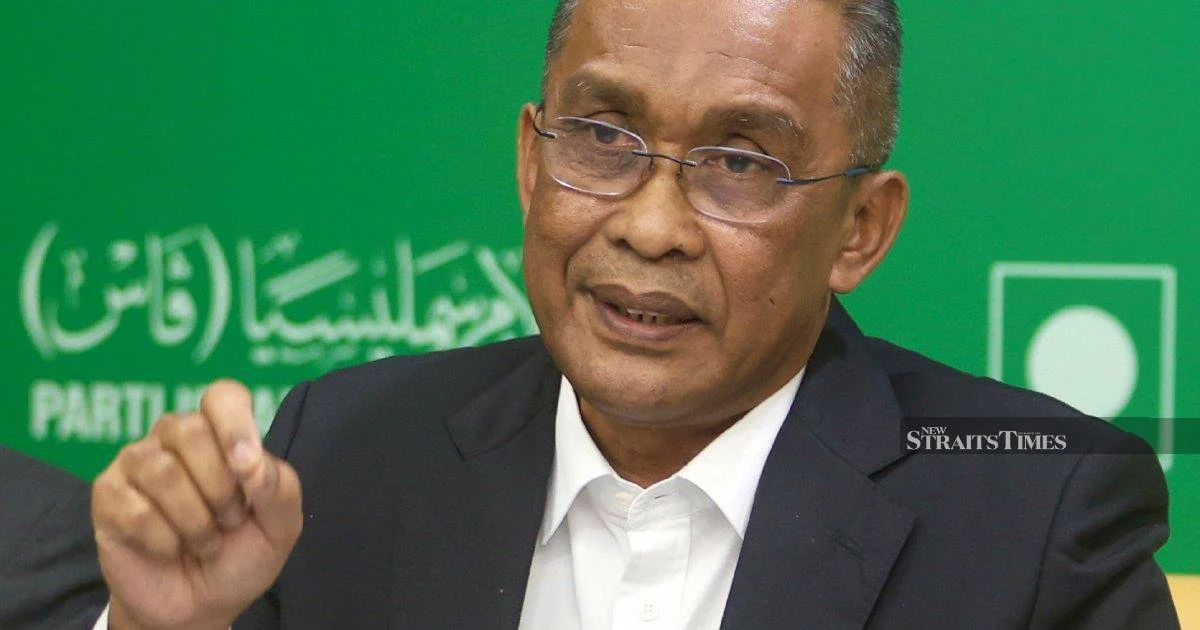
The Registrar of Societies has formally endorsed the leadership restructuring within Perikatan Nasional, signalling the completion of a transition process that places all operational decisions squarely under the purview of the coalition's chairman, Datuk Seri Dr Ahmad Samsuri Mokhtar. This confirmation carries significant implications for how the opposition alliance conducts its affairs going forward, establishing a centralised approval framework for activities that extends across the entire coalition.
Under the newly clarified governance structure, any gathering, initiative, or undertaking pursued in the name of Perikatan Nasional must first secure explicit authorisation from the chairman before proceeding. This requirement encompasses everything from public statements and political campaigns to administrative functions and coalition-wide meetings. The formalisation of this authority represents a consolidation of power at the coalition's apex, establishing a clear chain of command that member parties and affiliated bodies must respect.
The timing of this confirmation comes against the backdrop of ongoing political manoeuvring within Malaysian opposition circles. Perikatan Nasional, which comprises PAS, Bersatu, and Gerakan, has been navigating a complex landscape of internal dynamics and electoral considerations. The establishment of explicit approval requirements for coalition activities suggests an effort to strengthen internal discipline and prevent unauthorised actions that might undermine the coalition's unified messaging or strategic direction.
For political observers monitoring coalition dynamics in Malaysia, this formalisation of chairman authority represents a departure from more distributed decision-making approaches that opposition alliances have sometimes employed. By concentrating approval mechanisms at the leadership level, Perikatan Nasional is implementing a hierarchical model that could enhance message discipline but may also introduce bottlenecks or create friction if lower-level member parties feel constrained in their autonomy. The regulatory acknowledgement from the Registrar of Societies lends official weight to this arrangement.
The implication for member parties within Perikatan Nasional warrants close attention. Constituent parties like PAS, which brings substantial grassroots organisational capacity and electoral strength, must now factor this centralised approval requirement into their internal planning. This could affect how quickly the coalition responds to emerging political opportunities or how it coordinates campaign activities across different states. The chairman's gatekeeping role becomes particularly significant during election periods when rapid decision-making and coordinated messaging often determine competitive advantage.
From a governance perspective, this formalisation reflects international practices common in major political coalitions worldwide. Democratic coalitions frequently adopt centralised approval mechanisms to ensure coherence and prevent member parties from pursuing contradictory agendas that might weaken collective electoral prospects. However, the effectiveness of such arrangements depends heavily on whether the chairman exercises this authority with sufficient consultation and transparency to maintain consensus among member parties.
Regional political developments suggest that Malaysian opposition coalitions are increasingly professionalising their internal structures and governance frameworks. This move by Perikatan Nasional aligns with broader trends where opposition alliances are adopting more formal institutional mechanisms, mirroring structures that governing coalitions typically employ. The Registrar of Societies' confirmation essentially transforms what might have been an informal understanding into an officially recognised governance protocol.
The chairman's expanded authority also carries implications for transparency and internal democracy within the coalition. While centralised decision-making can streamline operations, political analysts often note that such concentration of power can also create accountability questions. Member parties will likely scrutinise how the chairman applies this authority and whether decisions reflect genuine coalition consensus or individual preference. The balance between effective governance and inclusive decision-making will determine whether this structure strengthens or ultimately strains coalition cohesion.
Looking forward, the confirmation of this leadership transition may influence how Perikatan Nasional positions itself relative to other opposition entities and governing coalition structures. The coalition's effectiveness in translating this formal authority into enhanced political performance will matter considerably for its credibility as a viable alternative government proposition. Malaysian voters assessing opposition readiness will likely factor in whether the coalition operates with sufficient unity and discipline to implement coherent policy agendas.
The Registrar of Societies' formal endorsement essentially provides regulatory legitimacy to governance arrangements that opposition coalitions must continuously justify to members and constituents. As Malaysian politics continues its evolution toward more structured coalition management, such official confirmations serve as important markers of institutional development. They signal that political alliances are moving beyond informal understandings toward documented frameworks that provide clarity for all stakeholders regarding power distribution and decision-making processes within these increasingly important political entities.


%22%2F%3E%3C%2Fpattern%3E%3C%2Fdefs%3E%3Crect%20width%3D%22100%25%22%20height%3D%22100%25%22%20fill%3D%22url(%23ph4w4yvg)%22%2F%3E%3Crect%20width%3D%22100%25%22%20height%3D%22100%25%22%20fill%3D%22url(%23ph4w4yvp)%22%2F%3E%3Ctext%20x%3D%2250%25%22%20y%3D%2250%25%22%20text-anchor%3D%22middle%22%20dominant-baseline%3D%22central%22%20fill%3D%22rgba(255%2C255%2C255%2C0.95)%22%20font-family%3D%22Georgia%2C%20'Times%20New%20Roman'%2C%20serif%22%20font-weight%3D%22700%22%20font-size%3D%22226%22%20letter-spacing%3D%22-0.02em%22%3EPenang%3C%2Ftext%3E%3C%2Fsvg%3E)