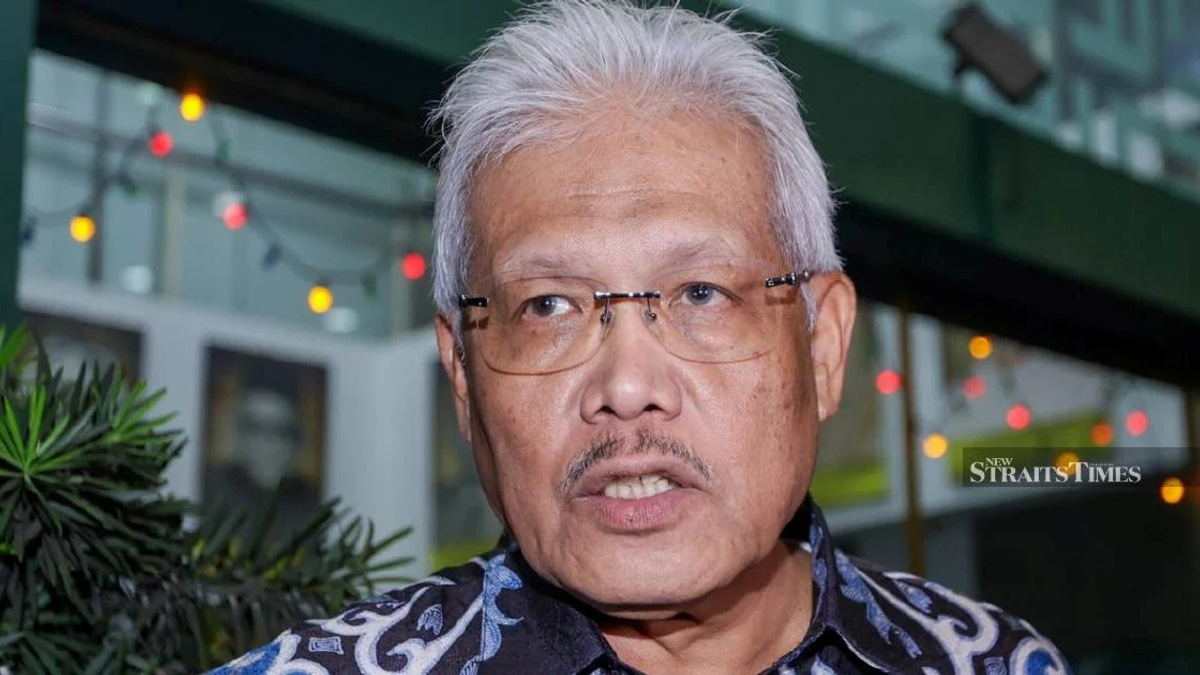
The Rohingya Ulama Council has categorically denied recent allegations that the displaced Myanmar community is pursuing citizenship rights in Malaysia, with senior leadership condemning the claims as deliberately manufactured to stir animosity against the group. Rahimullah Hussain, chairman of the council, characterised the narrative as part of a calculated effort to fuel resentment and prejudice against Rohingya residents already living in the country.
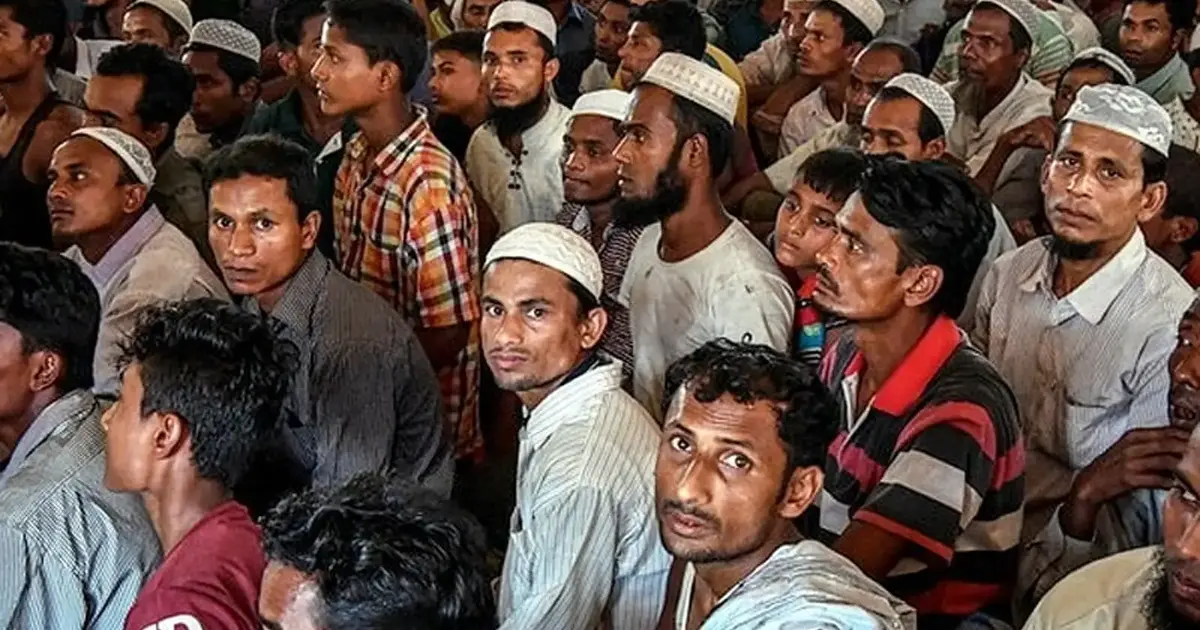
The denial comes amid persistent speculation and social media discussion about Rohingya integration prospects in Malaysia, a nation that has long served as a primary asylum destination for those fleeing persecution in Myanmar's Rakhine State. With no legal status in most countries where they have sought refuge, questions about long-term settlement options have periodically surfaced across Southeast Asia, prompting responses from both refugee advocates and government officials concerned about public perception.
Malaysia, home to one of the world's largest Rohingya populations outside camps, faces complex tensions between humanitarian obligations and domestic political sensitivities. The country ratified the UN Convention Relating to the Status of Refugees but does not recognise citizenship claims by displaced groups, maintaining that such matters fall under international responsibility-sharing frameworks rather than unilateral national action. This delicate balance has meant that formal pathways to citizenship remain exceptionally narrow, regardless of community aspirations.
The Rohingya Ulama Council's intervention suggests that misleading narratives may be circulating within Malaysian society, potentially influencing public discourse around refugee policies and integration measures. By framing the allegations as deliberately fabricated, the council leadership is attempting to redirect attention toward what they characterise as the true priorities of the community: secure humanitarian status, access to education and livelihoods, and basic protection from discrimination. This framing highlights the gap between perceived threats and actual policy positions.
Contextually, such denial-and-counter-narrative cycles have become increasingly common in Malaysia's refugee debate. Civil society groups, political actors, and community representatives frequently find themselves responding to speculation rather than engaging proactively in policy discussions. The reactive nature of these exchanges often obscures more substantive conversations about how Malaysia might sustainably accommodate one of the world's most vulnerable populations while addressing legitimate concerns about social cohesion and resource allocation.
The timing of these allegations warrants scrutiny, given that they emerge during periods of heightened political attention to immigration and social stability. Malaysia's approach to the Rohingya has shifted across administrations, with some policy windows opening and others narrowing based on electoral cycles and diplomatic priorities. External actors, including international organisations and neighbouring states, have also periodically commented on Malaysian refugee policy, occasionally triggering defensive responses that frame the Rohingya issue through a nationalist lens.
For the broader Rohingya population in Malaysia, such public disputes carry real consequences. Negative narratives can affect job prospects, landlord relationships, and community safety, particularly in neighbourhoods with significant refugee concentrations. Educational access, healthcare utilisation, and entrepreneurial activities all become constrained when public sentiment turns hostile, regardless of whether specific policy changes occur. The council's statement thus serves a protective function beyond mere clarification, attempting to inoculate the community against downstream social prejudice.
The council's position also reflects international refugee advocacy norms, where community representatives increasingly challenge misinformation and demand media accuracy. Rohingya leadership in Malaysia has gradually professionalised its engagement with public discourse, moving from purely humanitarian appeals to more strategic communications about community identity and aspirations. This maturation suggests that Rohingya organisations now view public relations management as integral to securing both immediate protection and longer-term dignity.
Looking forward, Malaysia's handling of these periodic allegations will likely shape the viability of continued asylum provision. If domestic political space permits only zero-sum framing—where refugee presence automatically threatens national interests—then the country's humanitarian credentials and regional leadership on forced displacement may erode. Conversely, more nuanced public conversations acknowledging both refugee vulnerabilities and genuine policy constraints could enable more sustainable and equitable long-term arrangements, setting precedents for how Southeast Asia manages one of the world's most persistent displacement crises.