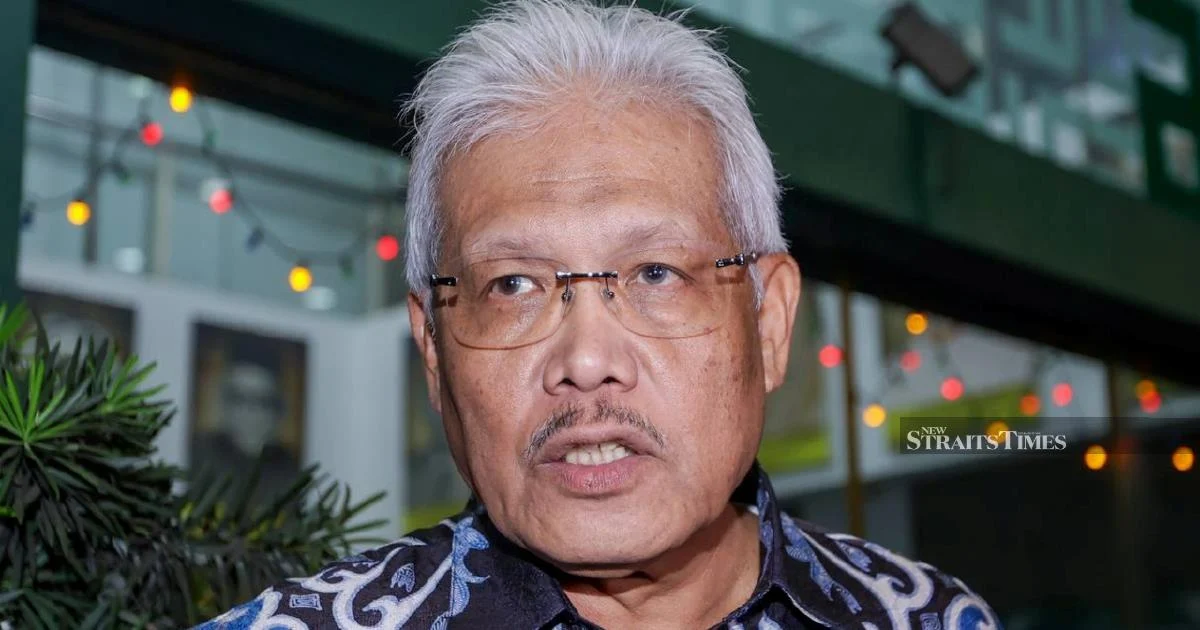
Datuk Seri Hamzah Zainudin's elevation to the position of opposition leader is set to receive formal parliamentary recognition, with authorities in Kota Baru confirming that the necessary documentation will reach the Dewan Rakyat Speaker well ahead of the legislature's reconvening. This procedural step marks the final bureaucratic formality in establishing the leadership structure of the opposition bloc in Malaysia's lower house of parliament.
The submission of the notification represents a critical juncture in opposition politics, particularly given the fluid dynamics that have characterised Malaysia's political landscape in recent years. Opposition leadership carries significant constitutional implications, affecting parliamentary speaking rights, committee assignments, and the formal mechanisms through which the minority can scrutinise government policy and propose alternative legislative positions. The advance notification ensures transparency and allows the Speaker's office time to process and officially recognise the change in the parliamentary record.
Hamzah's appointment signals a consolidation of opposition forces around a unified leadership structure. This development carries particular significance for Malaysian parliamentary conventions, which have evolved substantially since the 2018 general election reshuffled established political alignments. The opposition leader's role has become increasingly prominent in recent parliamentary sessions, with media coverage and public attention focusing heavily on the effectiveness and coherence of criticism levelled against the government.
The timing of this notification, coming before parliament reconvenes, allows newly appointed Hamzah to assume his formal parliamentary responsibilities without procedural delays. This includes the capacity to ask supplementary questions during question time, lead opposition parliamentary business, and represent the concerns of the non-government benches to the Speaker and other parliamentary officials. These functions, while seemingly administrative, provide the opposition with institutional tools to influence legislative deliberations and public discourse around government decisions.
For Southeast Asian observers and regional political analysts, Malaysia's opposition dynamics merit close attention. The appointment of opposition leadership reflects not merely internal party maneuvering but also the health of democratic institutions and the vitality of checks on executive power. In a region where authoritarian drift has concerned international observers, Malaysia's continued maintenance of parliamentary opposition structures, complete with formal leadership recognition and established procedures, underscores the durability of its constitutional frameworks.
The transition to formal recognition also addresses any remaining questions about the opposition's internal cohesion. Hamzah's appointment as opposition leader presumably reflects either consensus among opposition-aligned parties or a decision by the largest such grouping to assume the leadership mantle. In Malaysian parliamentary tradition, this position typically goes to the leader of the largest opposition party or an agreed collective choice among opposition members. The advance notification protocol ensures that when parliament sits, all members operate from a shared understanding of the parliamentary opposition's structure and spokesperson.
Political observers have noted that opposition leadership in recent parliamentary sessions has proven increasingly consequential to legislative debates. Question time exchanges between opposition leaders and government ministers frequently shape news cycles and public perception of government performance. By formalising Hamzah's position through proper parliamentary notification, the institution grants him the standing and credibility to engage in these high-profile exchanges while also ensuring that his interventions are recorded with full parliamentary authority.
The Dewan Rakyat's procedures regarding opposition leadership derive from both written parliamentary standing orders and longstanding conventions that have developed over decades. The Speaker's office maintains records of all parliamentary officers and recognised opposition figures, information that is updated regularly and made available to members and the public. This documentation serves not merely ceremonial purposes but provides a clear reference point for parliamentary business, from speaking opportunities to committee participation.
For Malaysian constituents and political commentators seeking to understand the opposition's organisational capacity, Hamzah's formal recognition through this notification procedure offers insight into whether opposition forces can maintain discipline and coherent messaging. The appointment and its formalisation suggest a degree of strategic alignment among opposition-aligned members, though the durability of such arrangements in Malaysian politics has proved variable historically. The next parliamentary sitting will test whether the opposition can translate this institutional recognition into effective legislative action.
The advance submission of the notification also reflects administrative efficiency within parliamentary institutions. Rather than allowing such procedural matters to arise during the sitting itself, which could consume valuable parliamentary time, the Speaker's office processes these housekeeping items beforehand. This allows the chamber to focus on substantive legislative matters and ministerial accountability rather than procedural wrangling over who holds what parliamentary position.
Regional implications of Malaysia's opposition formalisation extend beyond domestic politics. In a regional context where some governments have moved to restrict opposition activity or curtail parliamentary space, Malaysia's continued adherence to formal procedures recognising opposition leadership demonstrates institutional commitment to maintaining parliamentary traditions. This procedural regularity, though easily overlooked, carries symbolic weight for observers monitoring democratic practices across Southeast Asia.
Looking forward, Hamzah's formal assumption of the opposition leader role will likely shape the tenor and effectiveness of legislative scrutiny over the coming parliamentary term. His parliamentary tactics, speaking style, and ability to coordinate opposition benches will determine whether the opposition becomes a substantive force in government accountability or remains largely symbolic. The notification process itself, while procedural, creates the institutional framework within which these political dynamics will unfold.