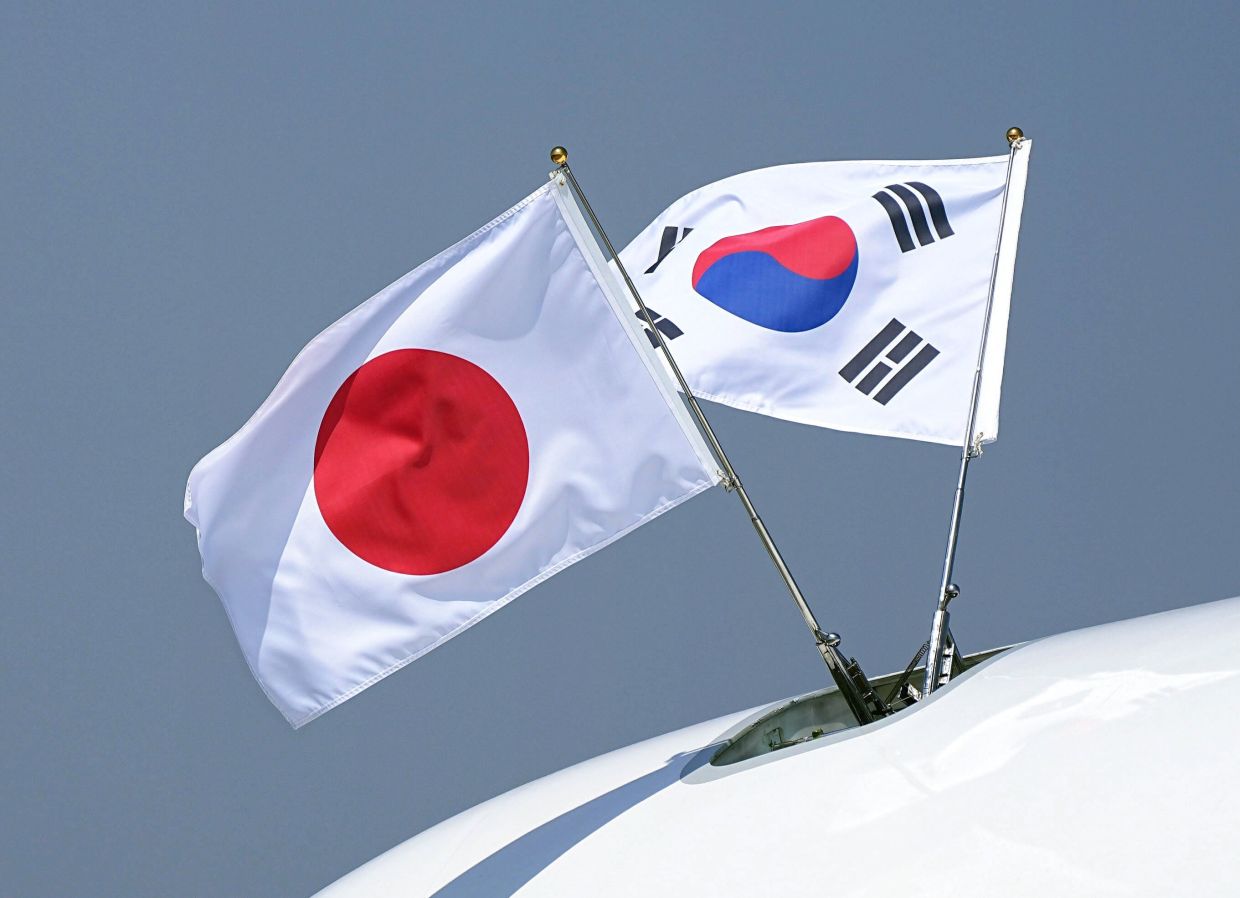
Both Japan and South Korea currently maintain strong opposition to developing nuclear weapons among their political and strategic leadership, according to a comprehensive survey released this week by the Centre for Strategic and International Studies in Washington. Yet this apparent stability masks a fragile equilibrium that could shatter rapidly should either nation shift its policy direction, experts warn, with implications extending far beyond the immediate region and potentially undermining decades of nuclear non-proliferation architecture in northeast Asia.
The CSIS survey, led by Victor Cha, president of the geopolitics and foreign policy department and Korea chair at the institution, along with Kristi Govella, CSIS senior adviser and Japan chair, gathered responses from current and former government officials, parliamentarians, academics, think tank experts and corporate executives. The research concluded at the end of October and presented a striking portrait of elite consensus against nuclear weapons development. Approximately 75 per cent of South Korean strategic elites and nearly 80 per cent of Japanese strategic elites expressed either outright opposition or significant uncertainty about their respective countries acquiring nuclear weapons. This finding carries particular weight given the respondents' positions of influence within government and policy circles.
However, the data reveal a striking disconnect between elite opinion and public sentiment, particularly in South Korea. A 2024 poll commissioned by the Chey Institute for Advanced Studies and conducted by Gallup found that over 72 per cent of the South Korean public supported their country possessing nuclear weapons. This 50-point gap between elite opposition and popular support represents a potential vulnerability in any democratic decision-making process, as public pressure could eventually sway political leaders toward nuclear acquisition. By contrast, Japan presents a more internally consistent picture, where existing surveys indicate that approximately 80 per cent of the public similarly opposes nuclear weapons development, aligning roughly with elite views. According to Govella, media reporting has frequently exaggerated the momentum for nuclear armament within Japanese decision-making circles, potentially distorting international perceptions of Tokyo's true policy direction.
The real danger identified in the CSIS analysis lies not in current policy but in mutual escalation dynamics. The survey found that should one country move toward nuclear weapons acquisition, support for such a move in the neighbouring country could increase dramatically and potentially rapidly. Such a cascade effect could prove more destabilising to regional security than even a significant reduction in United States troop presence, according to CSIS experts who presented the findings on Thursday. This insight suggests that nuclear proliferation in the region would not be a gradual drift but rather a sudden rupture in the existing order, triggered by perceptions of abandonment or threat.
The motivations behind any potential shift toward nuclear weapons differ between the two countries. South Korean respondents who favoured nuclear armament cited primarily the need to counter North Korea, reflecting longstanding security anxieties about the peninsula's northern neighbour and questions about extended US security guarantees. Japanese supporters of nuclear weapons, meanwhile, expressed greatest concern about the long-term reliability of American security commitments, a worry that has intensified amid debates about US global priorities and resource allocation. This distinction matters because it suggests different triggers for policy reversal: North Korean provocations or US signalling could each independently catalyse nuclear decisions in the respective countries.
The timing of the CSIS survey's publication coincides with intensified diplomatic efforts by Washington to shore up its security relationships in the region. The United States conducted bilateral meetings in Seoul earlier this month to advance nuclear cooperation initiatives with South Korea, followed by an extended deterrence dialogue in Tokyo with Japan. These consultations represent attempts to strengthen reassurance mechanisms that might deter independent nuclear development. The parallel security engagement reflects American awareness that uncertainty about US commitment could drive allies toward autonomous deterrence capabilities.
Meanwhile, the geopolitical context has grown more complex and competitive. China has repeatedly accused Japan of pursuing "remilitarisation," including suggestions that Tokyo seeks nuclear weapons. Beijing's framing of Japanese defence modernisation as inherently threatening reflects both genuine security concerns and strategic messaging designed to complicate Tokyo's diplomatic position. On Thursday morning, Brandon Williams, under secretary for nuclear security at the US Department of Energy and administrator of the National Nuclear Security Administration, announced that the United States must accelerate nuclear weapons production, signalling to potential adversaries that American strategic capabilities remain robust.
US strategic thinking has also evolved regarding the composition of its nuclear arsenal. Williams' agency plans to invest US$600 million in artificial intelligence this year to drive digitalisation of nuclear weapons design and production, aiming to compress the current 10- to 15-year timeline between identifying a capability need and deploying a new weapon. In separate CSIS discussions, experts including Heather Williams, director of the project on nuclear issues and senior fellow in the defence and security department, argued that the United States should reconsider its exclusive reliance on conventional warheads for hypersonic weapons. She contended that nuclear hypersonic weapons "should absolutely be in the mix" to provide more diverse strike options and complicate adversary calculations. This doctrinal shift, if implemented, would signal a more assertive nuclear posture that could influence Japanese and South Korean perceptions of extended deterrence credibility.
Williams further argued that a more credible and diversified US nuclear force would reassure allies, as "assured allies are less likely to proliferate." This formulation captures the paradox at the heart of regional security: American strength and commitment could reduce incentives for Japanese and South Korean nuclear weapons development, yet the same allies perceive their security as increasingly uncertain. The CSIS survey findings underscore this tension, revealing that elite restraint remains conditional on perceived continuity of US involvement and on the absence of neighbouring nuclear powers.
China's stance on nuclear negotiations has complicated broader arms control efforts. Washington has pressed Beijing to join negotiations for a new strategic arms control agreement, but China has repeatedly refused, citing fundamental disagreements about the scope and parameters of any accord. Beijing's resistance to arms control discussions, combined with its expanding arsenal and growing military capabilities, creates precisely the environment in which Japanese and South Korean elites might conclude that nuclear weapons have become necessary components of national security strategy rather than luxuries to be foregone.
The stability that currently characterises Japan and South Korea's rejection of nuclear weapons depends fundamentally on three conditions: perceived continuity of American security commitment, absence of nuclear weapons in neighbouring countries, and public confidence in extended deterrence arrangements. The CSIS survey suggests that any significant change in these conditions could rapidly erode elite consensus and unlock the substantial public support for nuclear weapons that already exists in South Korea and potentially emerges in Japan. For policymakers in Washington, Tokyo, and Seoul, managing these perceptions has become as important as managing the military balance itself.