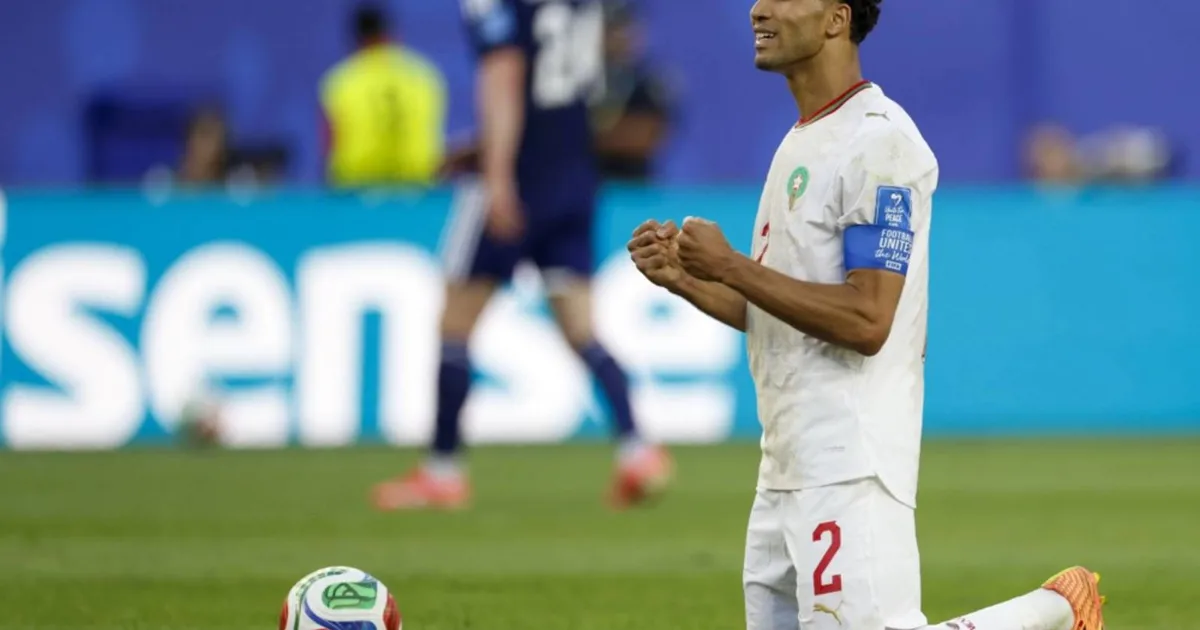
Morocco's World Cup coaching staff has moved to defend Achraf Hakimi's mental state as the Paris Saint-Germain defender navigates a criminal trial involving rape allegations, with officials expressing belief that the player maintains his composure despite the considerable pressure of simultaneous legal proceedings and professional demands.
The PSG fullback confronts serious criminal charges relating to an incident involving a 24-year-old woman in the Paris region during 2023. Hakimi has consistently disputed the allegations, maintaining his innocence throughout the investigation and subsequent judicial process. The case has drawn significant attention given his profile as one of Europe's most accomplished young defenders and Morocco's squad leader during their successful World Cup campaign.
Morocco's World Cup coaching staff has publicly signalled support for the player, with officials suggesting that Hakimi demonstrates the mental resilience necessary to compartmentalise his legal challenges from his professional responsibilities on the pitch. This backing from the national team represents an important show of solidarity during what constitutes one of the most challenging periods of his career, occurring at a stage when the player might otherwise face isolation from his professional environment.
The timing of the trial presents complications for both Hakimi's club and country, as the player's availability for international fixtures and domestic competition remains subject to judicial proceedings and potential travel restrictions. PSG must navigate the situation while maintaining squad morale and competitive performance, a delicate balance that becomes increasingly difficult as the case progresses through the French legal system. Similarly, Morocco's coaching staff must determine how extensively to involve Hakimi in national team activities, considering both his value to the squad and the potential distraction of ongoing legal matters.
For Malaysian sports observers and Southeast Asian followers of European football, the case underscores the vulnerability of even elite athletes to serious legal consequences, regardless of their professional standing or earning potential. The situation reflects broader global discussions regarding athlete accountability and the judicial processes that apply equally to high-profile figures as to ordinary citizens, though the intensive media scrutiny surrounding such cases inevitably intensifies the personal burden experienced by those involved.
The implications for Hakimi's career trajectory remain uncertain, as criminal conviction would likely result in substantial suspension from professional football and potential imprisonment, fundamentally altering his future in the sport. Conversely, acquittal would enable his rehabilitation within the professional environment, though public perception and reputational damage may persist regardless of the trial's outcome. This scenario has become increasingly common across global football in recent years, prompting clubs and national federations to establish clearer protocols for managing players facing serious allegations.
PSG's management has maintained relative silence on the matter, preferring to allow judicial processes to proceed without sustained public commentary that might influence proceedings or prejudice the player's legal position. This cautious approach reflects contemporary best practices for organisations facing internal crises, though it simultaneously leaves considerable uncertainty regarding the club's long-term intentions regarding Hakimi's future at the Parisian institution.
The Morocco national team's position differs somewhat, as international football authorities may implement specific protocols regarding player participation in national competitions during ongoing legal proceedings. The player's availability for World Cup qualifiers and other continental competitions thus depends partly on judicial developments and partly on administrative decisions by football governance bodies, creating multiple layers of uncertainty for both Hakimi and Morocco's planning.
From a broader perspective, this case illustrates the increasing intersection between legal systems and professional sports governance, as elite athletes navigate simultaneous accountability within both criminal justice frameworks and sport-specific disciplinary structures. The outcomes of such cases extend beyond individual consequences, influencing how clubs, national federations, and sporting bodies establish policies regarding player conduct, presumption of innocence, and the balance between protecting vulnerable persons and ensuring fair treatment of accused individuals.
Morocco's willingness to publicly support Hakimi suggests the nation views the player's value to the national team and football programme as sufficiently important to warrant sustained backing during adversity. This institutional support, while not implying judgment regarding the trial's ultimate resolution, demonstrates how national pride in players and strategic sporting interests can intersect with questions of individual accountability and justice.