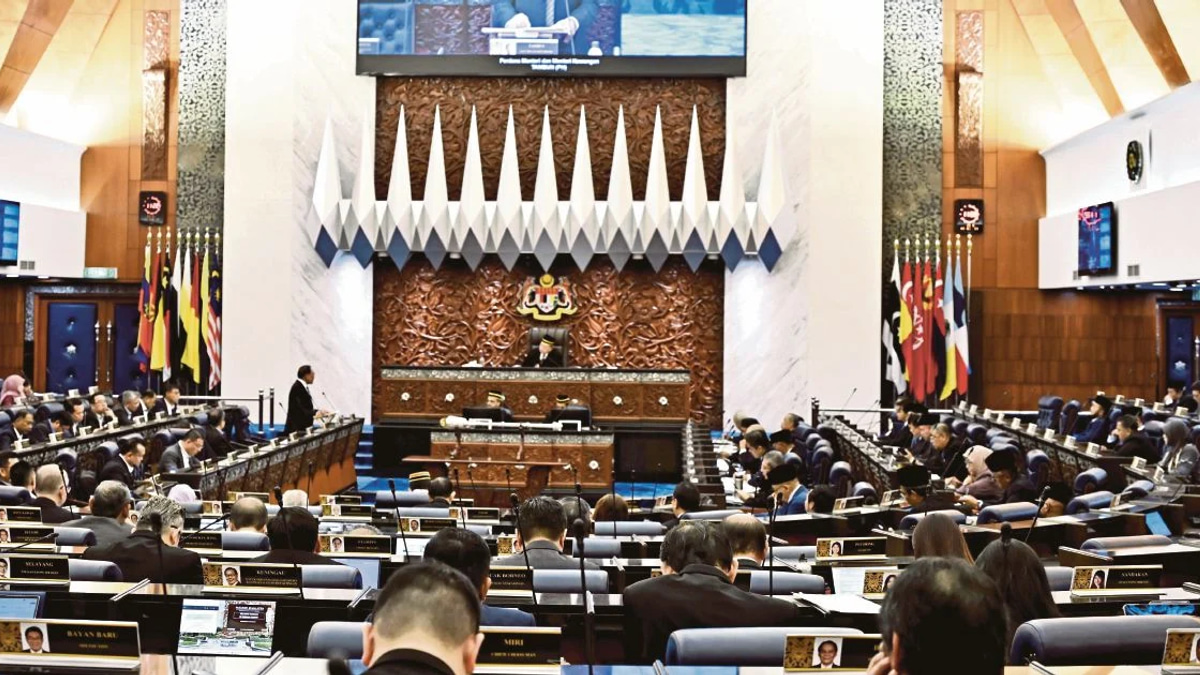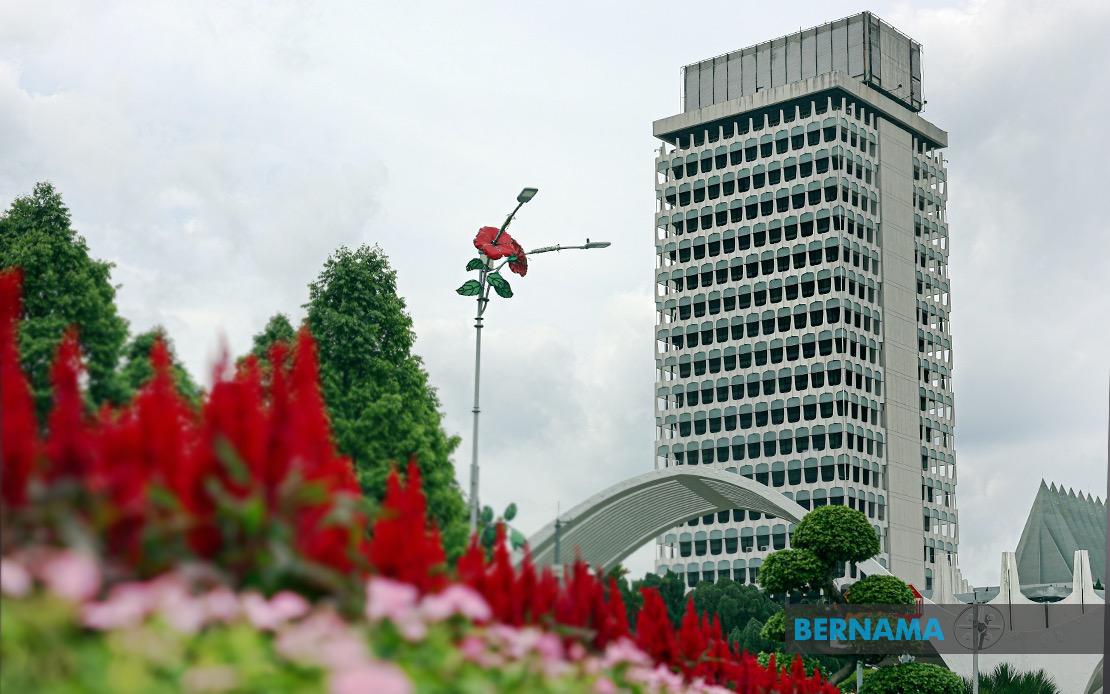
His Majesty Sultan Ibrahim, King of Malaysia, has formally granted royal assent to eight bills that were approved during the First Meeting of the Fifth Session of the 15th Parliament, which convened from January 19 to March 3. The royal approval, announced by Dewan Rakyat Speaker Tan Sri Johari Abdul during question time, represents the final constitutional step transforming these legislative measures into law. The approval covers a diverse portfolio of legislation touching on governance, border management, infrastructure development, and fiscal matters that will shape Malaysia's administrative framework in the coming months.
Four of the bills granted assent carry direct implications for Malaysia's domestic operations and international engagement. The Government Procurement Act 2025 establishes updated frameworks governing how public institutions acquire goods and services, a significant development in an era where transparency and efficiency in government spending remain under intense public scrutiny. Concurrently, the Immigration (Amendment) Act 2025 and Passports (Amendment) Act 2025 modernise the nation's border management systems, positioning Malaysia to better manage population flows while maintaining security protocols. These amendments reflect evolving global migration patterns and the need for administrative bodies to respond with contemporary legislative tools.
The International Settlement Agreements Resulting from Mediation Act 2025 represents another dimension of legislative advancement, addressing Malaysia's participation in international dispute resolution mechanisms. This legislation enables the nation to engage more effectively with cross-border commercial conflicts through mediation-based approaches, reducing reliance on protracted litigation in international forums. For Malaysian businesses operating regionally or engaged in cross-border transactions, this legal framework provides enhanced certainty and alternative pathways to resolving international commercial disputes.
Infrastructure development features prominently among the approved bills. The Johor Bahru-Singapore Rapid Transit System (RTS) Link Act 2026 provides the legal foundation for a transformative cross-border transportation project connecting Malaysia and Singapore. This rapid transit link promises to reshape connectivity patterns in the southern corridor, facilitating seamless people movement and potentially stimulating economic integration between the two nations. The project represents a significant regional infrastructure milestone that extends beyond bilateral considerations to influence broader Southeast Asian transportation networks and economic corridors.
Educational funding receives attention through the Capitation Grant Act 2026, legislation that affects how financial resources are distributed to educational institutions. This framework shapes the fiscal architecture supporting Malaysia's education sector and influences resource allocation decisions at institutional levels. The modernisation of capitation grant mechanisms ensures schools and educational bodies have predictable, transparent funding models aligned with contemporary educational demands and demographic changes across the country.
Environmental protection advanced with royal assent to the Environmental Quality (Amendment) Act 2026. This legislative update strengthens Malaysia's environmental governance as the nation addresses pressing sustainability challenges including air quality management, water resource protection, and ecosystem conservation. The amendments reflect growing international commitments to environmental stewardship and domestic recognition that effective environmental regulation supports long-term economic sustainability and public health outcomes.
Fiscal administration received attention through the Supplementary Supply (2025) Act 2026, which provides additional budgetary allocations for government operations. This legislation enables the Federal Government to respond to unforeseen expenditure demands and policy initiatives that emerged after the main budget allocation, functioning as a critical flexible mechanism within Malaysia's annual fiscal planning cycle.
Paralleling these approvals, Speaker Johari also informed Parliament that the Employment Insurance System (Amendment) Bill 2025 has completed passage through the Dewan Negara, Malaysia's upper legislative chamber, following amendments to Clause 11. This development signals that labour protection mechanisms are being refined to reflect contemporary employment relationships and social protection priorities. The amendments suggest deliberation occurred regarding specific provisions affecting how employment insurance schemes operate, with the revised Clause 11 presumably addressing stakeholder concerns raised during upper house deliberations.
The collective approval of these eight bills reflects Parliament's productivity during its January-to-March session and demonstrates the legislative agenda's breadth. Malaysian policymakers have advanced reforms spanning borders and immigration, infrastructure development, educational financing, environmental protection, and social security frameworks. For Malaysian citizens and businesses, these laws collectively create an updated legal environment affecting how government services function, how people move across borders, how businesses resolve international disputes, how educational institutions operate, and how workers access employment-based protections.
From a regional perspective, several bills possess significance extending beyond Malaysia's borders. The RTS Link legislation facilitates bilateral infrastructure cooperation that may establish templates for future cross-border Southeast Asian projects. Immigration and passport amendments position Malaysia within evolving ASEAN mobility frameworks and international travel standards. Environmental quality improvements contribute to the region's collective sustainability efforts, particularly relevant given transboundary environmental challenges affecting Southeast Asia.
The legislative approvals also underscore Malaysia's governance continuity and constitutional processes. Royal assent represents the Crown's formal endorsement of Parliament's will, a fundamental constitutional principle ensuring checks and balances within Malaysia's Westminster-influenced system. The timely granting of assent demonstrates institutional functioning and the capacity of legislative processes to advance governance reform effectively.
Looking forward, implementation of these bills will occupy government agencies, educational institutions, businesses, and workers throughout 2025 and 2026. Administrative bodies must develop regulations translating legislative frameworks into operational procedures. Businesses must adapt to procurement reforms and new dispute resolution mechanisms. Schools must implement capitation grant changes. Environmental regulators must operationalise strengthened quality standards. The real-world impact of parliamentary legislation depends substantially on effective implementation, suggesting that scrutiny of these bills' administration will intensify during coming months.