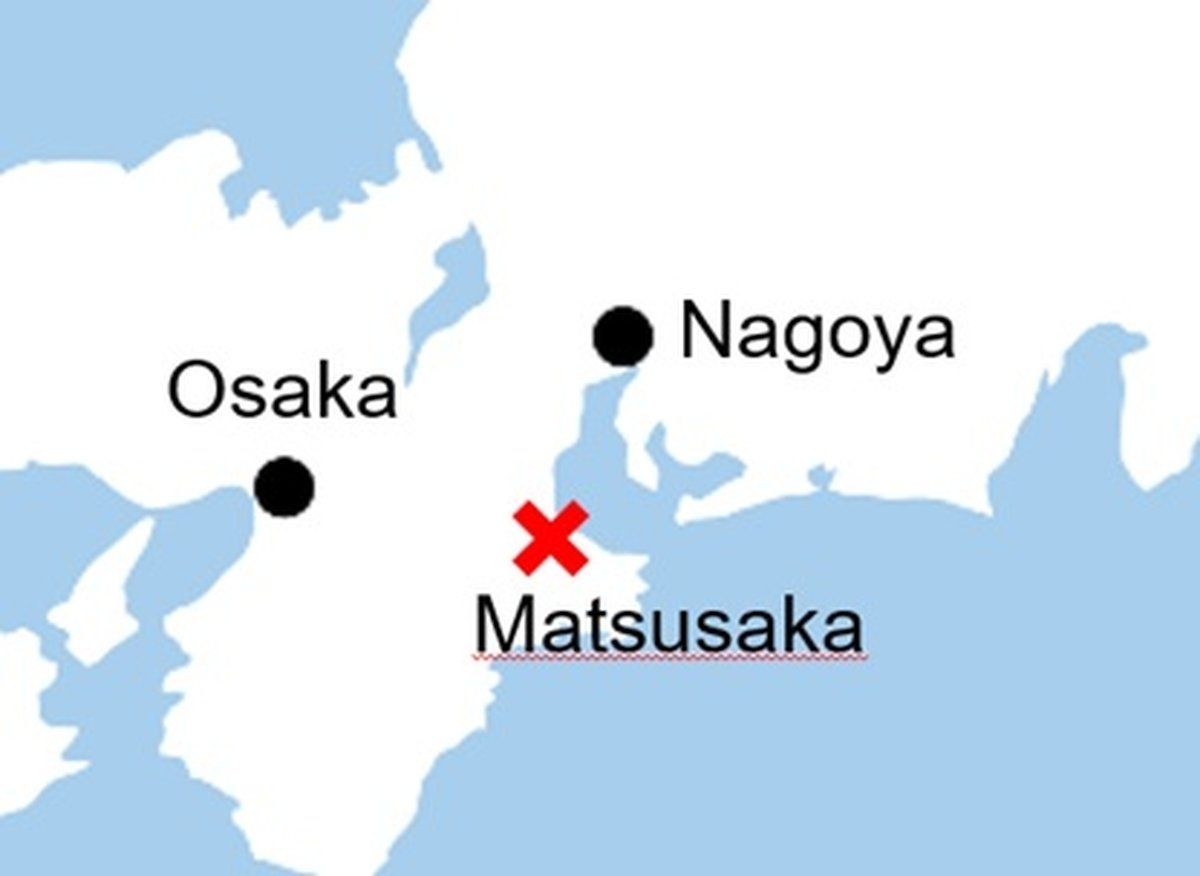
A 35-year-old resident of Matsusaka in Mie Prefecture has been arrested following an incident in which he allegedly placed his partner's five-year-old daughter inside a garbage can and closed the lid, according to Japanese police. The arrest came on Thursday, June 18, more than a month after the incident occurred. The suspect has acknowledged responsibility for his actions, providing authorities with an admission that facilitated the investigation.
The incident took place at approximately 6.30 p.m. on May 12 at the residence shared by the suspect and the child's mother in Mie Prefecture. According to police records, the man physically carried the young girl to the garbage receptacle, placed her inside, and sealed the container, restricting her movement and confinement within the confined space. The child remained trapped inside for roughly five minutes before being removed. Despite the traumatic nature of the ordeal, police confirmed that the girl sustained no physical injuries during the confinement.
What distinguishes this case within the broader context of child protection is the suspect's characterization of his actions. The man described his conduct as a disciplinary measure, a claim that raises serious questions about what methods some adults consider acceptable forms of punishment. This perspective starkly contrasts with modern child welfare standards and protective legislation, highlighting a troubling gap between outdated practices and contemporary understanding of child safety and psychological well-being.
The discovery of the incident came considerably later than its occurrence. A child welfare center became aware of what had transpired on May 20, eight days after the garbage can confinement. The centre's intervention proved critical in protecting the child's interests. Upon learning of the situation, the welfare organization immediately notified law enforcement, triggering the official investigation that would culminate in the arrest nearly a month later.
The welfare centre's response extended beyond reporting the initial incident. Authorities determined that the girl's older sister also required protection and intervention. Both children were subsequently placed under the protective custody of the child welfare center, removing them from the home environment and ensuring they would receive appropriate care and support during the investigation and its aftermath. This dual custody arrangement underscores official concerns about conditions within the household and the safety of all children residing there.
This case reflects broader concerns about child abuse and inadequate parenting practices in Japan. The incident demonstrates how physical punishment and humiliation can escalate in home settings without external oversight, particularly in situations where caregivers live with partners' children and may lack traditional family accountability structures. The month-long delay between the incident and official intervention also highlights potential gaps in early detection systems, despite Japan's established child protection framework.
The case carries implications for understanding disciplinary practices across different cultural contexts. While Japan has made significant progress in child protection law and awareness, individual cases still emerge where adults employ methods that would be widely condemned by modern standards. The suspect's categorization of garbage can confinement as discipline suggests either a fundamental misunderstanding of appropriate child-rearing or a deliberate rationalization of abusive behaviour. Either interpretation raises concerns about the effectiveness of public education regarding child welfare standards.
For Malaysian and Southeast Asian readers, this incident underscores universal child protection principles that transcend national borders. Countries throughout the region continue developing their own child welfare frameworks and enforcement mechanisms. Cases like this one illustrate why comprehensive systems—including mandatory reporting, welfare centre responsiveness, and clear legal definitions of acceptable discipline—remain essential safeguards. What occurs in Japan often influences regional approaches to child protection policy and practice.
The investigation's timeline also merits examination. The eight-day gap between the incident and welfare centre notification likely resulted from the child disclosing her experience to someone outside the household, or from observational evidence that prompted concern. The subsequent arrest came even later, suggesting that gathering evidence and building a legal case required additional time. Such delays, while potentially understandable given investigative requirements, nevertheless highlight the challenges authorities face in responding swiftly to child protection emergencies and preventing ongoing harm.
Police and welfare agencies in Mie Prefecture will likely face questions about the adequacy of their monitoring systems and response protocols. Child welfare centres across jurisdictions must balance immediate protective intervention with due process considerations, a tension evident in the timeline between initial report and arrest. The case will probably inform discussions about whether detection and response mechanisms can be accelerated without compromising investigative integrity or legal requirements.


%22%2F%3E%3C%2Fpattern%3E%3C%2Fdefs%3E%3Crect%20width%3D%22100%25%22%20height%3D%22100%25%22%20fill%3D%22url(%23ph2hy9vg)%22%2F%3E%3Crect%20width%3D%22100%25%22%20height%3D%22100%25%22%20fill%3D%22url(%23ph2hy9vp)%22%2F%3E%3Ctext%20x%3D%2250%25%22%20y%3D%2250%25%22%20text-anchor%3D%22middle%22%20dominant-baseline%3D%22central%22%20fill%3D%22rgba(255%2C255%2C255%2C0.95)%22%20font-family%3D%22Georgia%2C%20'Times%20New%20Roman'%2C%20serif%22%20font-weight%3D%22700%22%20font-size%3D%22272%22%20letter-spacing%3D%22-0.02em%22%3EAnwar%3C%2Ftext%3E%3C%2Fsvg%3E)