%22%2F%3E%3C%2Fpattern%3E%3C%2Fdefs%3E%3Crect%20width%3D%22100%25%22%20height%3D%22100%25%22%20fill%3D%22url(%23ph46wn1g)%22%2F%3E%3Crect%20width%3D%22100%25%22%20height%3D%22100%25%22%20fill%3D%22url(%23ph46wn1p)%22%2F%3E%3Ctext%20x%3D%2250%25%22%20y%3D%2250%25%22%20text-anchor%3D%22middle%22%20dominant-baseline%3D%22central%22%20fill%3D%22rgba(255%2C255%2C255%2C0.95)%22%20font-family%3D%22Georgia%2C%20'Times%20New%20Roman'%2C%20serif%22%20font-weight%3D%22700%22%20font-size%3D%22226%22%20letter-spacing%3D%22-0.02em%22%3EHamzah%3C%2Ftext%3E%3C%2Fsvg%3E)
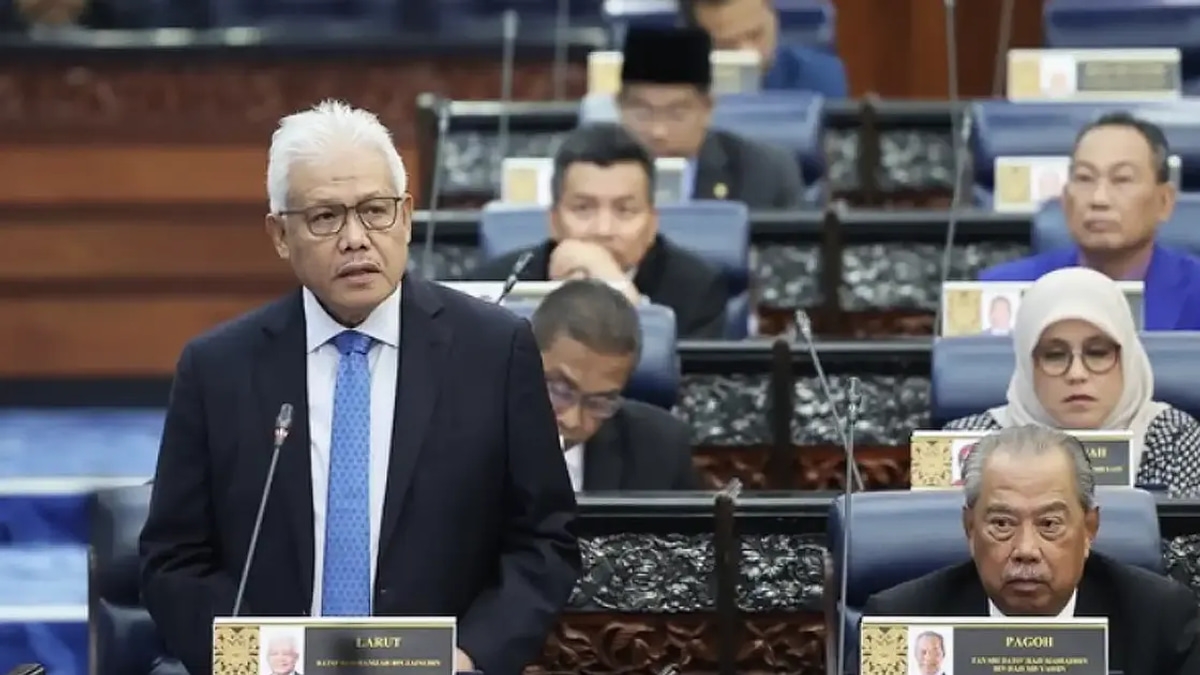
The parliamentary landscape shifted on June 21 when Dewan Rakyat Speaker Tan Sri Johari Abdul formally confirmed Datuk Hamzah Zainudin's designation as Opposition Leader, resolving an administrative process that had been pending. The confirmation came following proper notification to the Speaker's office, marking an important procedural milestone in Malaysia's legislative framework and clarifying the formal Opposition leadership structure.
Hamzah's appointment reflects the ongoing reconfiguration of parliamentary alignments following recent political developments. The Opposition Leader role carries significant institutional weight within the Dewan Rakyat, including speaking rights, parliamentary privileges, and responsibility for coordinating Opposition business. The formal recognition ensures that Hamzah can fully exercise these powers and represent the Opposition bloc effectively in parliamentary proceedings and debates.
Simultaneously, former Prime Minister Muhyiddin Yassin was reassigned to a new seating position within the chamber. This logistical adjustment, while seemingly administrative, underscores the shifting dynamics within the Opposition ranks and reflects broader changes in parliamentary groupings. Seating arrangements in the Dewan Rakyat carry symbolic and practical significance, often reflecting factional alignments and political proximity.
The dual developments highlight the fluidity characteristic of Malaysian politics, where coalition configurations remain subject to realignment based on electoral outcomes, defections, and strategic recalibrations. For regional observers, these shifts in the Westminster-style parliament demonstrate how institutional frameworks accommodate changing political realities while maintaining procedural integrity.
For Malaysian readers following Parliament closely, these changes matter because they affect how legislation is debated and scrutinised. The Opposition Leader traditionally leads questioning of government policies during prime minister's questions and coordinates opposition to government bills. Hamzah's confirmed position strengthens the institutional checks and balances essential to parliamentary democracy.
Muhyiddin's repositioning also carries political significance beyond mere seating. His movement signals potential shifts in Opposition group affiliations or reflects decisions about parliamentary visibility and positioning. As a former Prime Minister, his seating choice and new location could influence how he engages with legislative business and where his political focus now resides.
The Speaker's formal confirmation process demonstrates Parliament's procedural rigour. Such notifications typically originate from party leadership and require official recognition by the Speaker before taking effect. This ensures that parliamentary records accurately reflect leadership structures and that formal entitlements and privileges attach to the correct individuals.
Understanding these developments requires context about Malaysia's current political configuration. The Opposition comprises various parties that may not always vote as a unified bloc, yet the Opposition Leader role provides a focal point for coordination on major policy matters. Hamzah's confirmation stabilises this arrangement and provides clarity for parliamentary business planning.
For Southeast Asian politics more broadly, these Malaysian manoeuvres illustrate how post-election adjustments continue reshaping legislatures months or years after polling. Thailand, Indonesia, and Philippines also experience similar repositioning as coalitions settle into stable or unstable configurations. Malaysia's case shows how institutional roles provide structure even amid political volatility.
The implications extend to legislative efficiency and government accountability. A clearly designated Opposition Leader facilitates structured parliamentary debate, ensures coordinated scrutiny of executive action, and maintains the adversarial dynamic fundamental to Westminster systems. Without formal recognition, parliamentary procedures become confused and institutional legitimacy weakens.
Moving forward, observers should monitor whether Hamzah's confirmed status brings greater Opposition cohesion or whether internal divisions continue. The Opposition's ability to present unified positions on critical legislation affects government policymaking and parliamentary dynamics. His leadership role becomes crucial in testing whether disparate Opposition components can coordinate effectively on core issues like economic policy, governance standards, and civil liberties.
The seating changes for Muhyiddin and others also invite speculation about future political movements. Parliamentary repositioning sometimes precedes formal party switches or coalition reorganisations. Tracking where senior figures sit and how they participate in parliamentary business provides early signals of shifting allegiances that may reshape Malaysian politics in coming months.