%22%2F%3E%3C%2Fpattern%3E%3C%2Fdefs%3E%3Crect%20width%3D%22100%25%22%20height%3D%22100%25%22%20fill%3D%22url(%23ph4gj7hg)%22%2F%3E%3Crect%20width%3D%22100%25%22%20height%3D%22100%25%22%20fill%3D%22url(%23ph4gj7hp)%22%2F%3E%3Ctext%20x%3D%2250%25%22%20y%3D%2250%25%22%20text-anchor%3D%22middle%22%20dominant-baseline%3D%22central%22%20fill%3D%22rgba(255%2C255%2C255%2C0.95)%22%20font-family%3D%22Georgia%2C%20'Times%20New%20Roman'%2C%20serif%22%20font-weight%3D%22700%22%20font-size%3D%22272%22%20letter-spacing%3D%22-0.02em%22%3EFahmi%3C%2Ftext%3E%3C%2Fsvg%3E)
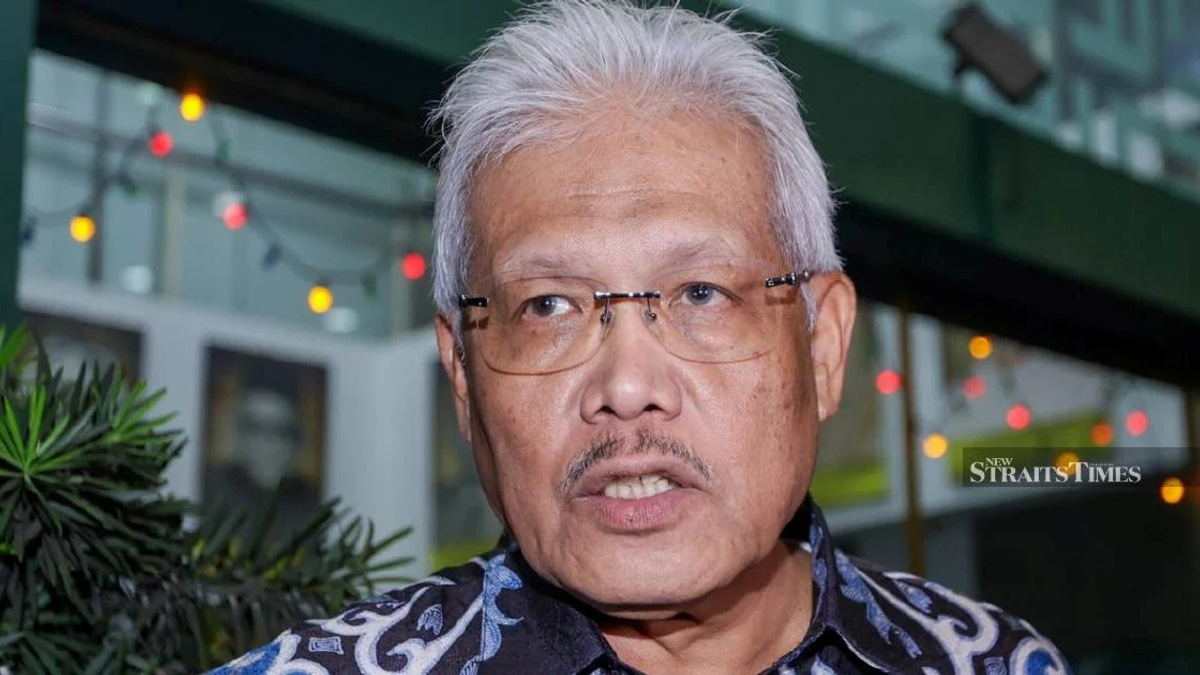
Malaysia's Communications Minister Datuk Fahmi Fadzil has made an urgent appeal for media professionals throughout Southeast Asia to deepen their working relationships across borders, emphasising that coordinated efforts are essential to uphold journalistic integrity and counter the proliferation of false information in the region. Speaking at a state government dinner in Butterworth honouring the National Journalists' Day (HAWANA) 2026 celebration, Fahmi outlined how the region's news organisations must function as a unified force against the tide of misinformation that threatens public trust and informed decision-making.
The minister articulated a vision of ASEAN media as interconnected networks committed to shared values. By facilitating meaningful dialogue, pooling expertise across newsrooms, and disseminating proven strategies for verifying information, media outlets can collectively address challenges that transcend national boundaries. Fahmi stressed that the free flow of accurate, contextualised reporting is fundamental to sustaining democratic processes and enabling citizens to engage meaningfully with matters affecting their lives and communities.
Central to Fahmi's message was the observation that journalism itself remains an irreplaceable institution even as communication technologies evolve at unprecedented speeds. In an environment where competing narratives jostle for prominence and misinformation spreads with alarming velocity, the traditional pillars of journalism—commitment to factual accuracy, transparent sourcing, and ethical responsibility—have become more vital than ever. The minister framed media as simultaneously a conduit connecting ordinary people to real-world events, a liaison between government decision-makers and those charged with implementation, and a mechanism through which public comprehension of complex issues develops.
The HAWANA 2026 observance, being hosted by Penang, serves purposes beyond ceremonial recognition of journalists' contributions. According to Fahmi, the gathering functions as a forum to reaffirm the profession's importance as a strategic partner driving national progress while simultaneously signalling commitment to elevating journalism standards during an era fraught with institutional pressures and technological disruption. This framing positions media professionals not merely as information distributors but as custodians of public discourse.
Fahmi's emphasis on regional collaboration carries particular significance for Southeast Asia, where misinformation campaigns frequently exploit geographic and linguistic boundaries to propagate falsehoods across multiple countries. Cross-border media partnerships enable faster identification of coordinated disinformation efforts, facilitate sharing of verification methodologies, and strengthen the capacity of individual newsrooms to contextualise regional developments within broader narratives. Such collaboration also helps counter narratives that might favour particular political interests by ensuring diverse perspectives gain hearing across the region.
The event attracted significant institutional participation, reflecting the gravity accorded to these themes. Penang Chief Minister Chow Kon Yeow joined Governor Tun Ramli Ngah Talib in hosting proceedings, while representatives from ASEAN Communications Ministers' offices and leadership from Malaysia's major media organisations were present. Wong Chun Wai, chairman of Bernama, and Datin Paduka Nur-ul Afida Kamaludin, CEO of Bernama and chair of the HAWANA 2026 Working Committee, underscored the national news agency's central role in coordinating the initiative.
The minister extended specific appreciation to Penang's state administration for undertaking to host this year's commemoration, characterising their willingness as demonstration of the state government's recognition that media practitioners occupy an essential place within the social fabric and governance architecture. By providing a platform and resources for such gatherings, state authorities signal understanding that journalism's health directly correlates with the health of public institutions and informed citizenry.
Fahmi's intervention arrives amid mounting concerns throughout Southeast Asia regarding the spread of false narratives, particularly surrounding elections, public health matters, and interethnic relations. Several regional governments have expressed alarm at coordinated disinformation campaigns originating from both domestic and external actors, highlighting the inadequacy of individual national responses. By advocating for ASEAN-wide media coordination, Fahmi positions Malaysia as forward-thinking on this critical issue and aligns with broader regional efforts to establish shared standards for digital governance.
The challenge facing ASEAN's media fraternity encompasses not only external malign actors but also the structural economics of digital publishing, which incentivise sensationalism and rapid dissemination over verification. Building collaborative frameworks that support rigorous journalism—through resource-sharing, training programmes, and platform development—requires overcoming competitive pressures that traditionally pit newsrooms against one another. Fahmi's advocacy suggests that media leaders across ASEAN recognise that collective interest in preserving institutional credibility outweighs short-term competitive advantages.
For Malaysian journalists and media organisations, the minister's remarks underscore expectations that they will serve as regional leaders in establishing best practices and mentoring counterparts elsewhere in Southeast Asia. Malaysia's media landscape, despite ongoing pressures, possesses institutional depth and professional standards that positions it advantageously within regional discussions about journalism's future. Accepting this role involves commitments to transparency, investment in newsroom capacity, and willingness to engage in difficult conversations about editorial standards and digital ethics.
The HAWANA 2026 celebration ultimately represents an opportunity for the ASEAN media community to move beyond individual expressions of commitment to journalism and translate these into concrete collaborative structures. Whether such structures materialise and prove effective in countering regional misinformation will depend on sustained political support, adequate resourcing, and genuine commitment from media organisations themselves to subordinate narrow competitive interests to broader public good objectives.