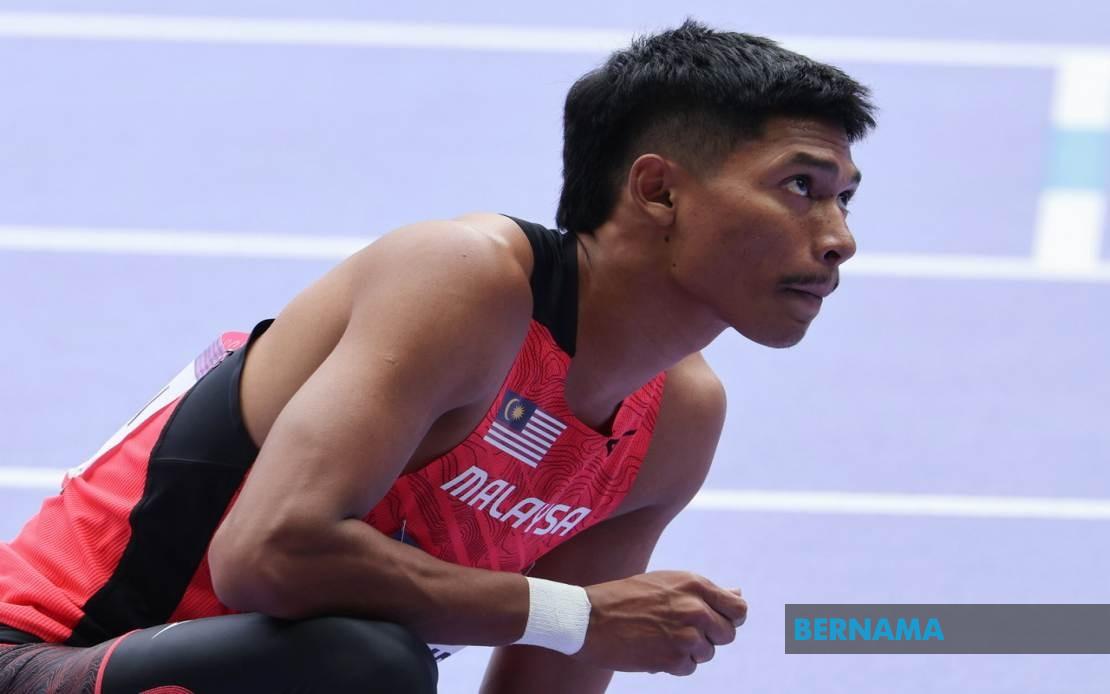
Muhammad Azeem Mohd Fahmi, Malaysia's fastest 100-metre sprinter, has signalled his intention to base himself in the country after concluding his four-year stint at Auburn University in the United States. The 22-year-old athlete made the announcement following his recent graduation, marking a significant decision for a young competitor at a critical juncture in his sporting development.
Azeem holds the national 100-metre record with a personal best of 10.09 seconds, a benchmark that underscores his status as one of Southeast Asia's most promising track talents. His return represents an important moment for Malaysian athletics, as the nation seeks to develop homegrown sprinting excellence amid increasing regional competition. The sprinter's commitment to remaining domestically, rather than pursuing further training opportunities abroad, reflects a deliberate choice to contribute to the local sporting ecosystem.
Family considerations lie at the heart of his decision. After spending the majority of his formative athletic years overseas, Azeem expressed a compelling desire to reconnect with his immediate circle. He emphasised that his relatives, parents, and siblings have constituted an essential support network throughout his journey, and he now wishes to dedicate meaningful time to strengthening these bonds. This sentiment carries particular resonance in Malaysian culture, where family obligations and filial responsibility remain deeply valued across society.
The coaching structure Azeem will operate under reflects a hybrid model that maintains international expertise while establishing local continuity. His training programme will continue to follow blueprints developed by Ken Harnden, his American coach, ensuring that the technical standards and periodisation principles he developed at Auburn remain consistent. However, day-to-day supervision will transfer to Muhammad Amir Izwan Tan Abdullah, a domestic coaching figure who will provide hands-on guidance and logistical support. This arrangement balances the need for world-class technical direction with the practical advantages of local mentorship and cultural familiarity.
Looking beyond athletics, Azeem has articulated ambitions to pursue postgraduate education. He indicated intentions to enrol in a master's degree programme, though he has consciously prioritised giving himself several months to concentrate entirely on his competitive development before embarking on academic study. This sequencing reflects maturity in understanding that attempting to balance elite-level athletics with demanding postgraduate coursework simultaneously could compromise both endeavours. Such thoughtful planning suggests the sprinter recognises the window of opportunity for peak athletic performance and the importance of maximising this period.
The decision carries implications for Malaysian athletics governance and resource allocation. The return of an internationally trained athlete of Azeem's calibre provides an opportunity for knowledge transfer and potential mentorship of younger sprinters within the national programme. His presence domestically may inspire emerging talent and demonstrate that sustained excellence in track events can be achieved while maintaining a Malaysian base. Furthermore, his continued success would enhance Malaysia's profile in regional and international athletics competitions, contributing to the nation's sporting prestige.
For Southeast Asian athletics more broadly, Azeem's commitment represents a trend worth monitoring. Unlike previous generations of elite regional athletes who often gravitated toward permanent relocation to training hubs in Europe or North America, an increasing number of younger competitors are choosing to maintain home-country residency while accessing international coaching remotely or through periodic overseas training camps. This shift reflects improved telecommunications, more sophisticated training methodologies that can be delivered at distance, and a growing recognition of the psychological and social benefits of remaining embedded in one's home community.
The sprinter's professional trajectory at Auburn evidently equipped him with the credentials and confidence necessary to pursue independent development pathways. Rather than seeking permanent employment or sponsorship opportunities in the United States—a traditional career endpoint for athletes of his level—Azeem has opted for the more challenging but potentially more rewarding route of building a competitive programme in Malaysia. This choice demonstrates faith in the country's capacity to support world-class athletic ambitions.
As Azeem settles into his new training environment, the coming months will prove crucial in validating his decision. His ability to maintain or improve upon his national record while adjusting to different coaching dynamics and training facilities will serve as a barometer for whether Malaysia can genuinely nurture Olympic-standard sprinters. Success would vindicate his choice and potentially influence how future internationally educated Malaysian athletes approach their career planning. Conversely, any performance decline could prompt reflection on whether remaining domestically genuinely serves the interests of elite competitors seeking to compete at global championships.
The sprinter's modest yet purposeful approach to his future—balancing family reconnection with serious competitive intent while keeping educational aspirations in view—offers a refreshing perspective in an era often dominated by single-minded pursuit of sporting supremacy. His decision ultimately represents a personal choice that extends beyond athletics, encompassing values, relationships, and a vision of how professional sporting achievement can coexist with broader life fulfilment within a home country context.