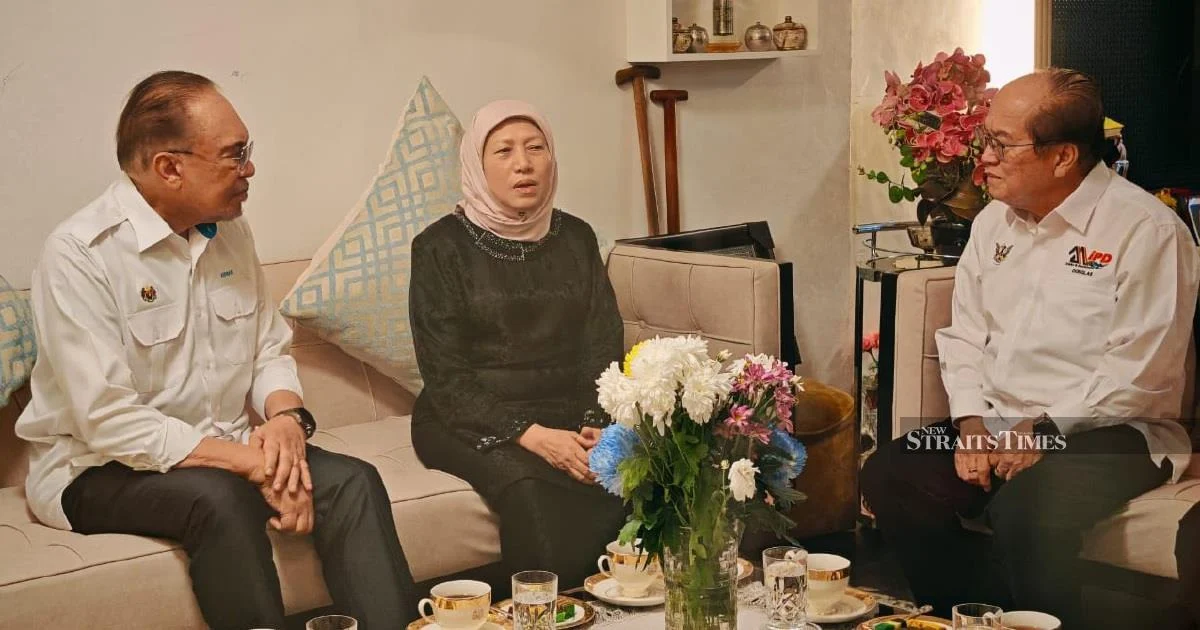
Prime Minister Datuk Seri Anwar Ibrahim travelled to Kuching today to personally express his sympathies to Women, Family and Community Development Minister Datuk Seri Nancy Shukri, whose husband, Datuk Kamil Misuari, has passed away.
The gesture reflects the established protocol whereby senior government figures acknowledge significant personal losses affecting members of the cabinet, particularly those holding ministerial portfolios. Such visits underscore the bonds of solidarity that exist within the federal leadership and demonstrate the human dimension underlying Malaysia's political establishment.
Nancy Shukri, who represents the Kuching constituency and holds a key cabinet position overseeing women's affairs, family services, and community development, now faces the dual challenge of managing her ministerial responsibilities while navigating personal grief. The timing of Anwar's visit, occurring on the day of the news becoming public, signals the government's recognition of her status and contribution to the administration.
The Ministry of Women, Family and Community Development has grown increasingly significant in Malaysian governance, particularly as the nation grapples with evolving social structures, family dynamics, and women's participation in the workforce. Nancy Shukri's leadership in this portfolio has positioned her as an influential voice in cabinet discussions concerning social policy and demographic challenges relevant across Southeast Asia's developing economies.
Anwar's decision to make the journey to Sarawak personally, rather than delegating the task to another official, carries symbolic weight in Malaysian political culture. Such visits represent not merely formal obligations but genuine expressions of institutional solidarity, particularly important for ministers managing sensitive portfolios that directly affect millions of citizens and their families.
The loss of a spouse represents one of life's most profound transitions, and for public figures, this personal grief unfolds under the scrutiny of media attention and public awareness. Anwar's presence acknowledges both Nancy Shukri's individual loss and her continued importance to the government's functioning and policy direction.
Kuching, as Sarawak's capital and Nancy Shukri's political home, holds particular relevance for such occasions. The constituency has historically maintained strong representation in federal government, and the gesture of the Prime Minister travelling there reinforces the significance that the administration places on maintaining links with East Malaysian political constituencies and their representatives.
The incident also highlights the interconnected nature of Malaysia's political landscape, where ministerial appointments transcend ethnic and geographic boundaries, with leaders from various regions occupying positions of national importance. Nancy Shukri's prominence exemplifies this inclusive approach to governance.
Government operations in Malaysia typically continue regardless of personal circumstances affecting individual ministers, with the Deputy Minister or other departmental leadership maintaining continuity. However, such condolence visits from the Prime Minister signal that while administrative machinery persists, the government acknowledges the human reality behind every public servant.
For Nancy Shukri, the coming weeks will likely involve managing both personal matters and ministerial duties, a balance that many public figures must strike. The support demonstrated through Anwar's visit provides both personal comfort and institutional backing during this transition.
The passing of Datuk Kamil Misuari represents a loss not only for his family but potentially for business and community circles in Sarawak where he may have been engaged. Such losses ripple through networks of professional relationships and community involvement that characterise the interconnected nature of Malaysian society.
Moving forward, observers will likely monitor how the ministry's work continues under Nancy Shukri's leadership and whether any adjustments to her portfolio or workload emerge. The cabinet system's strength often lies in its ability to maintain governmental continuity while allowing space for ministers facing personal challenges.
Anwar's visit encapsulates a fundamental principle of governance: that while institutions and policies operate impersonally, the individuals implementing them remain human beings deserving of recognition and support during life's most difficult moments.