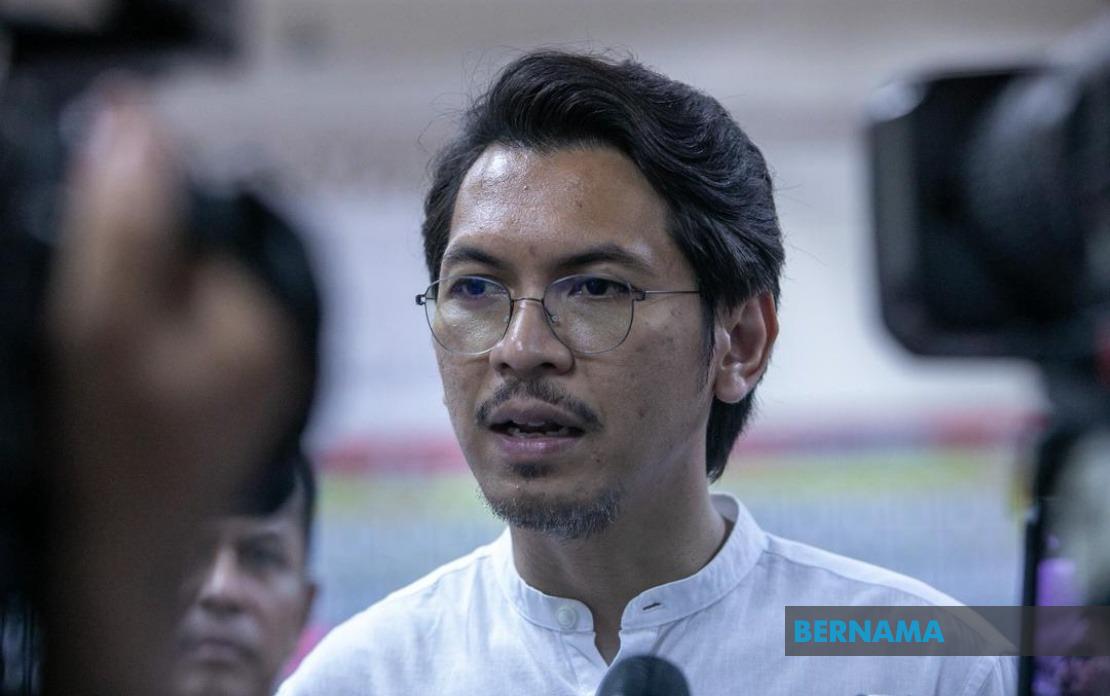
Malaysia stands to benefit from a recently announced memorandum of understanding between the United States and Iran aimed at resolving Middle Eastern tensions, with officials suggesting the accord could help moderate volatile international oil prices. However, Muhammad Kamil Abdul Munim, Political Secretary to the Minister of Finance, cautioned that expectations for immediate relief should be tempered, as the full impact on energy markets and domestic inflation will take considerable time to materialise.
The significance of the peace initiative lies primarily in its potential to restore normalcy to one of the world's most critical shipping corridors. The Strait of Hormuz, through which roughly one-third of global maritime oil trade passes, has experienced mounting disruptions and heightened insurance costs as regional tensions escalated. A resolution between Washington and Tehran could theoretically clear a path for tankers and merchant vessels to resume unimpeded operations, thereby reducing the risk premiums currently embedded in oil prices across global markets.
During remarks made at an official ceremony in Kuala Kangsar, Muhammad Kamil acknowledged the government's welcome for diplomatic efforts to resolve the crisis, recognising that reopened shipping lanes would bring tangible relief to nations heavily dependent on Middle Eastern crude. Malaysia, as a net energy importer with a developing industrial base, faces particular vulnerability to sustained oil price volatility. Yet his comments underscored a critical reality: the transition from geopolitical agreement to normalised market conditions involves substantial logistical and financial hurdles that cannot be surmounted overnight.
A crucial element of the assessment centres on elevated operational expenses that have accumulated during the period of heightened regional risk. Shipping insurance premiums, transport costs, and logistics expenditures remain elevated precisely because these measures were implemented as precautions against disruption. Even if tensions ease immediately following the accord, companies will require time to adjust supply chain strategies, renegotiate contracts, and allow insurance markets to reprice risk downward. This lag between political resolution and economic adjustment typically spans several months across global commodity markets.
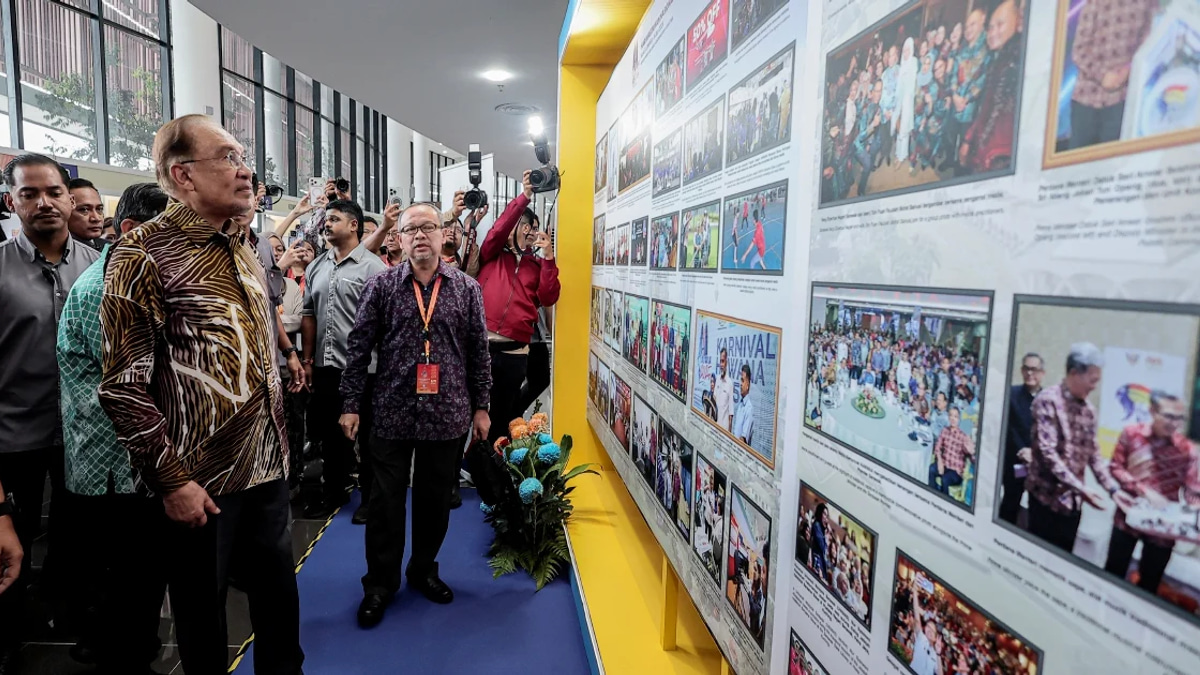
Prime Minister Datuk Seri Anwar Ibrahim expressed measured optimism regarding the bilateral negotiations, noting that the two nations have committed to finalising a comprehensive agreement within a 60-day window. The conditional nature of this timeframe reflects ongoing complexity in bridging the positions of both parties, suggesting that full implementation remains contingent on successful conclusion of detailed negotiations. Malaysia's political leadership has signalled its readiness to engage constructively with developments that could enhance regional stability and predictability in energy supply.
On the domestic front, the Malaysian government has pursued a deliberate strategy to shield citizens from international oil price fluctuations through targeted subsidies and price controls. The decision to maintain the subsidised price of RON95 petrol at RM1.99 per litre represents a policy choice that diverges from regional peers and reflects the administration's commitment to managing cost-of-living pressures. Muhammad Kamil indicated that policymakers will continue evaluating subsidy mechanisms through the Economic Action Council over the coming four to six months, the period when the global oil situation is expected to stabilise more definitively.
The government's BUDI MADANI RON95 initiative, which currently limits subsidised petrol purchases to 200 litres monthly under a targeted assistance scheme, demonstrates an attempt to balance fiscal sustainability with household affordability. Officials have signalled openness to adjusting quota allocations contingent upon evolving market conditions, indicating that the subsidy framework remains dynamic rather than fixed. This flexibility suggests awareness that prolonged price stability could eventually permit more substantial relief for consumers without imposing excessive fiscal strain.
Beyond the immediate oil price dynamics, Malaysian officials have articulated a broader strategic vision positioning the nation to benefit from diplomatic thaw in the Middle East. Prime Minister Anwar's planned official visit to Russia exemplifies this multifaceted approach, with government representatives framing energy cooperation and resource diversification as central objectives. Muhammad Kamil characterised the Russian engagement as essential to Malaysia's positioning as a small trading nation seeking to broaden its economic partnerships and reduce dependency on any single energy supplier.
The diversification rationale reflects Malaysia's vulnerability to supply shocks from concentrated sources. By cultivating relationships with major energy producers across different geopolitical spheres—whether Middle Eastern suppliers, Russian exporters, or alternative sources—the country can reduce exposure to disruptions emanating from any single region. Enhanced bilateral relations with Russia encompass not merely energy security but broader commercial, diplomatic, and technology-sharing dimensions that could strengthen Malaysia's competitive position across multiple sectors.
For Malaysian consumers and businesses, the practical implications of the US-Iran accord remain contingent on multiple variables beyond the immediate peace agreement. Global oil supply dynamics, decisions by major producers regarding production quotas, refinery capacity utilisation, and continued geopolitical stability all influence whether theoretical price moderation translates into meaningful relief at the pump. The government's cautious messaging reflects realistic understanding that diplomatic breakthroughs, however welcome, operate within broader commodity market frameworks resistant to rapid transformation.
Looking ahead, Malaysian policymakers appear to be adopting a pragmatic posture that neither oversells the potential benefits of improved US-Iran relations nor dismisses their significance. The emphasis on maintaining subsidy protections for several additional months acknowledges that even optimistic scenarios require an adjustment period. Simultaneously, the articulation of long-term diversification strategies signals confidence that regional stability improvements, when consolidated, will create more favourable conditions for Malaysia's energy security and economic development objectives across the medium to longer term.

%22%2F%3E%3C%2Fpattern%3E%3C%2Fdefs%3E%3Crect%20width%3D%22100%25%22%20height%3D%22100%25%22%20fill%3D%22url(%23ph2hy9vg)%22%2F%3E%3Crect%20width%3D%22100%25%22%20height%3D%22100%25%22%20fill%3D%22url(%23ph2hy9vp)%22%2F%3E%3Ctext%20x%3D%2250%25%22%20y%3D%2250%25%22%20text-anchor%3D%22middle%22%20dominant-baseline%3D%22central%22%20fill%3D%22rgba(255%2C255%2C255%2C0.95)%22%20font-family%3D%22Georgia%2C%20'Times%20New%20Roman'%2C%20serif%22%20font-weight%3D%22700%22%20font-size%3D%22272%22%20letter-spacing%3D%22-0.02em%22%3EAnwar%3C%2Ftext%3E%3C%2Fsvg%3E)