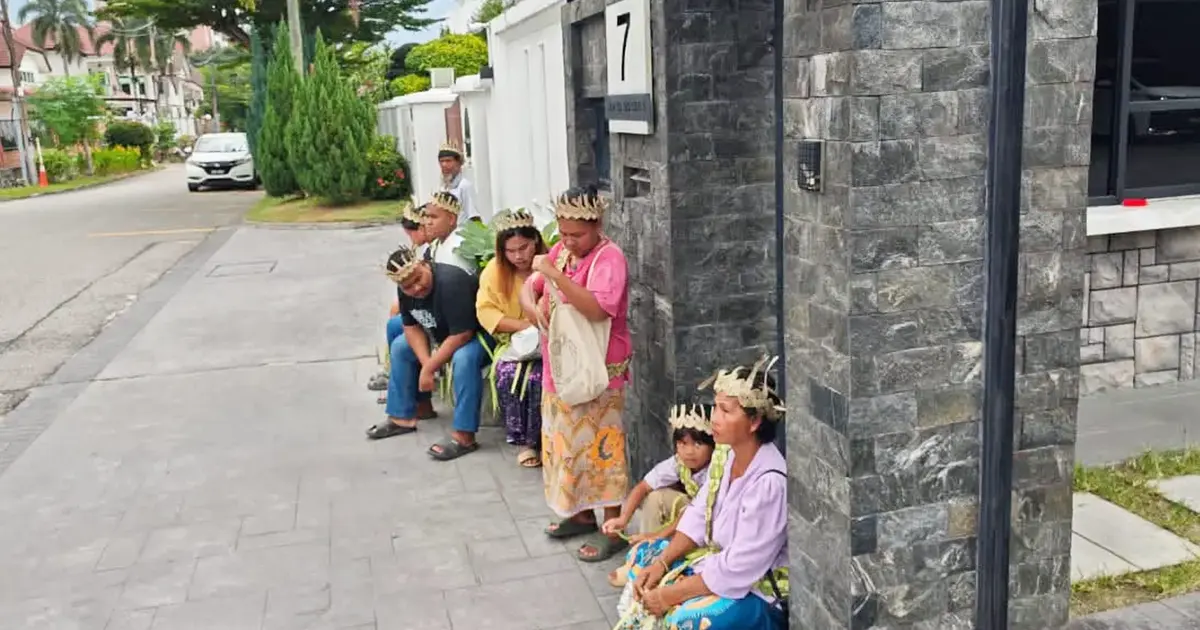
Prime Minister Anwar Ibrahim has announced the release of three Orang Asli detainees caught in a contentious land dispute in Pahang, marking a potential shift in how the federal government handles indigenous land rights conflicts. The development underscores persistent tensions between indigenous communities and land administration systems across Malaysia, highlighting the complex jurisdictional boundaries that often leave Orang Asli communities vulnerable to detention and legal complications over territorial claims.
The detentions had raised significant concern among indigenous rights advocates and civil society groups monitoring the treatment of Orang Asli populations, particularly in states where land development pressures intensify. Anwar's confirmation of their release signals federal-level attention to the case, though the underlying circumstances surrounding their detention remain a matter requiring substantive resolution. The timing of the announcement reflects growing scrutiny on how state governments manage land disputes affecting indigenous communities, especially when enforcement actions result in criminal detentions.
According to Anwar, the federal government will formally engage the Pahang state administration to address the substantive issues underlying the dispute. This escalation reflects the constitutional reality that land administration in Malaysia falls predominantly under state jurisdiction, a longstanding feature of the Malaysian federal system that often complicates efforts to establish uniform protections for indigenous land rights. Despite federal involvement in broader indigenous affairs policy, states retain primary control over land management, title registration, and enforcement mechanisms, creating potential gaps in protecting Orang Asli interests.
The Pahang case illustrates a recurring pattern where Orang Asli communities find themselves at odds with state land authorities over territorial boundaries, resource access, and legal recognition of customary land claims. These disputes frequently involve competing claims between indigenous groups, state governments seeking to allocate land for development or other purposes, and private entities holding or seeking land concessions. The resulting legal and administrative conflicts often place indigenous individuals in precarious positions, with detention sometimes occurring when disputes escalate or enforcement actions target community members.
Anwar's commitment to raise the matter with Pahang represents a potential avenue for resolving the immediate detention issue through inter-governmental dialogue rather than prolonged legal proceedings. However, federal intervention in state land matters requires careful navigation of constitutional boundaries and political relationships between federal and state administrations. The approach reflects emerging recognition at the federal level that indigenous rights and land justice require more proactive engagement, even within the constraints of a decentralised land governance system.
The release itself addresses the immediate humanitarian concern but leaves unresolved the broader land dispute that precipitated the detentions. Orang Asli communities across Malaysia face persistent challenges in securing legal recognition for customary land tenure, with many territories occupied and utilised by indigenous groups for generations yet lacking formal title documentation recognised by state land authorities. This documentation gap creates vulnerability to displacement, development pressures, and legal conflicts when state governments pursue alternative land uses or third parties stake claims.
For Malaysian readers, the case demonstrates how federal-state governance structures can both protect and complicate indigenous rights. While state autonomy over land affairs preserves federalism principles, it also enables inconsistent treatment of indigenous communities across different states. Anwar's intervention suggests the federal government recognises this tension and seeks to enhance protection through diplomatic engagement, though such approaches depend on state receptiveness and political will to prioritise indigenous interests over other development or fiscal objectives.
The implications extend to Southeast Asia's broader indigenous governance landscape, where many countries grapple with similar tensions between state land authority and indigenous territorial rights. Malaysia's experiences, shared with neighbours across the region, highlight the difficulty of protecting customary land claims within modern state structures oriented toward formal titling, commercial development, and centralised resource management. The case may influence how other Southeast Asian governments approach indigenous land disputes, particularly where detention or enforcement actions become tools in broader conflicts over territory and resources.
Looking forward, the resolution of the Pahang dispute will depend on substantive negotiations between federal and state authorities regarding the specific land claims involved and the legal frameworks governing Orang Asli land rights. Anwar's public commitment provides leverage for advocacy groups and indigenous representatives to ensure the matter receives serious attention beyond the immediate release. However, systemic change addressing the structural vulnerabilities that enabled the detentions would require broader reforms to how Malaysia recognises, registers, and protects Orang Asli land rights across all states, a more ambitious objective requiring sustained federal-state coordination and potential constitutional or legislative amendments.

