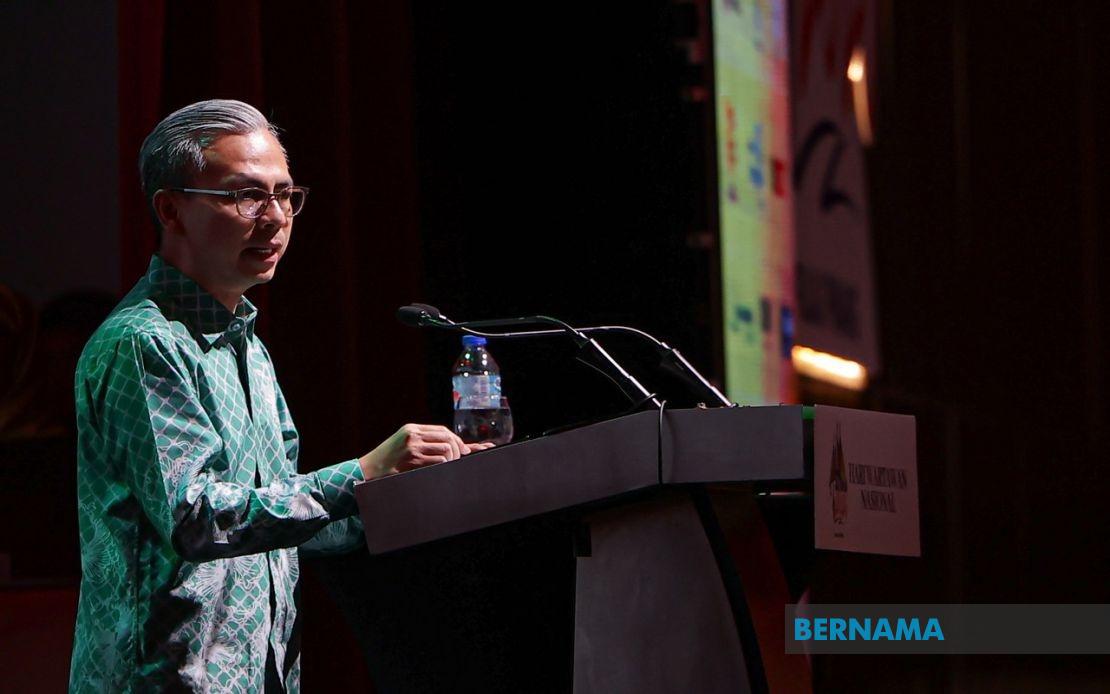
Telekom Malaysia has stepped forward as the latest strategic partner of Tabung Kasih@HAWANA, pledging RM500,000 towards the ongoing support of media practitioners and retirees across the nation. The announcement was made during the National Journalists' Day 2026 Grand Finale in Butterworth on June 20, with Communications Minister Datuk Fahmi Fadzil highlighting the contribution as a significant demonstration of corporate responsibility toward the country's journalism sector.
The partnership represents a corporate social responsibility initiative designed to expand the reach of financial assistance available to media professionals facing hardship. Since its launch in April 2023, the welfare fund has already distributed RM2.26 million across 773 beneficiaries nationwide, establishing itself as a critical safety net for a profession increasingly strained by economic pressures. Telekom Malaysia's contribution will enable the fund to continue its operations and extend support to additional practitioners in need of emergency financial assistance.
Fahmi expressed his gratitude to Telekom Malaysia, emphasising that such corporate backing demonstrates the private sector's recognition of media's importance to national development. He seized the occasion to make a broader appeal to other major corporations and government-linked companies to emulate this approach, suggesting that financial support through advertising expenditure and strategic partnerships could help stabilise the struggling media industry. The minister's comments underscored a growing concern about the sustainability of news organisations in Malaysia.
The timing of this announcement reflects deepening anxiety within Malaysia's media landscape. Advertising expenditure, traditionally a primary revenue stream for news outlets, has contracted dramatically in recent years, plummeting from RM4.5 billion annually to approximately RM2 billion. This erosion of commercial viability has forced many organisations to reduce operations, consolidate newsrooms, and reduce staff—challenges that ultimately affect journalists' livelihoods and the industry's capacity to serve the public.
Fahmi called upon corporations, both public and private, to redirect media purchasing decisions toward Malaysian news organisations as a means of supporting local journalism. Rather than relying solely on philanthropic contributions, the minister suggested that commercial relationships—through advertising placements and media buys—represented a more sustainable path toward industry recovery. This approach positions corporate spending not merely as charity but as investment in maintaining a functional news ecosystem.
The event, themed "Media Integrity Strengthens Credibility," was opened by Prime Minister Datuk Seri Anwar Ibrahim and attended by senior figures including Penang Chief Minister Chow Kon Yeow and Malaysian National News Agency leadership. The gathering brought together stakeholders across government, media, and civil society to reflect on journalism's role in contemporary Malaysia. The prominence of attendees signalled official commitment to supporting the sector during a period of genuine difficulty.
Beyond immediate welfare assistance, Fahmi announced ministry support for Project Sigma 2.0, a Google Malaysia-led initiative developed in partnership with the Malaysian Media Council and Malaysian Press Institute. This programme aims to equip media personnel with technological literacy and artificial intelligence competencies, recognising that journalistic sustainability increasingly depends on digital capability. The project reflects acknowledgment that welfare support alone cannot address systemic challenges without accompanying professional development.
The fund's establishment itself emerged from recognition that individual journalists often lack institutional protections afforded to other professions. By creating a centralised resource through Tabung Kasih@HAWANA, Malaysia established a mechanism addressing unexpected crises—medical emergencies, accidents, or other hardships—that might otherwise force practitioners out of the profession. Telekom Malaysia's partnership strengthens this safety net at a moment when many journalists face economic vulnerability.
Regional media cooperation also featured prominently in Fahmi's remarks. He welcomed the signing of a memorandum of understanding between Bernama and TATOLI, Timor-Leste's national news agency, positioning the agreement as reflecting ASEAN's commitment to journalism standards and information exchange. The collaboration carries particular significance given Timor-Leste's recent accession as ASEAN's 11th member during last year's Kuala Lumpur summit, with Fahmi characterising the media partnership as embodying ASEAN's embrace of inclusivity and regional unity.
This cross-border journalism cooperation underscores the recognition that media challenges transcend national boundaries. ASEAN nations face similar pressures from digital disruption, advertising revenue decline, and misinformation. Regional coordination on professional standards, training, and resource-sharing offers mechanisms for addressing shared difficulties collaboratively. The Bernama-TATOLI arrangement represents a modest but meaningful step toward institutionalising such cooperation.
The broader context for Telekom Malaysia's contribution involves Malaysian policymakers' growing appreciation that media viability constitutes a public interest concern. Unlike purely commercial enterprises, news organisations provide essential democratic infrastructure—delivering information, scrutinising power, and facilitating public debate. When advertising models collapse, governments increasingly recognise they must either permit media decline or actively support sustainability through various mechanisms. Telekom Malaysia's partnership reflects this emerging consensus.
Fahmi's dual appeals—for expanded corporate support and for companies to increase media purchasing—reveal the complexity of sustaining journalism through market mechanisms. While welfare funds address immediate practitioner hardship, long-term industry health requires structural revenue restoration. The minister's messaging suggests Malaysia is pursuing a mixed approach: temporary welfare relief coupled with appeals for commercial support and skill development, pending clearer solutions to underlying economic challenges.