The recurring scandals and management failures at Tabung Haji demand systemic solutions rooted in institutional competence and transparent governance, according to analysts reviewing the Royal Commission of Inquiry findings on Malaysia's principal Hajj savings body. Without addressing the foundational leadership deficiencies that permitted earlier crises, the institution risks sliding back into dysfunction despite recent restructuring efforts, experts warn.
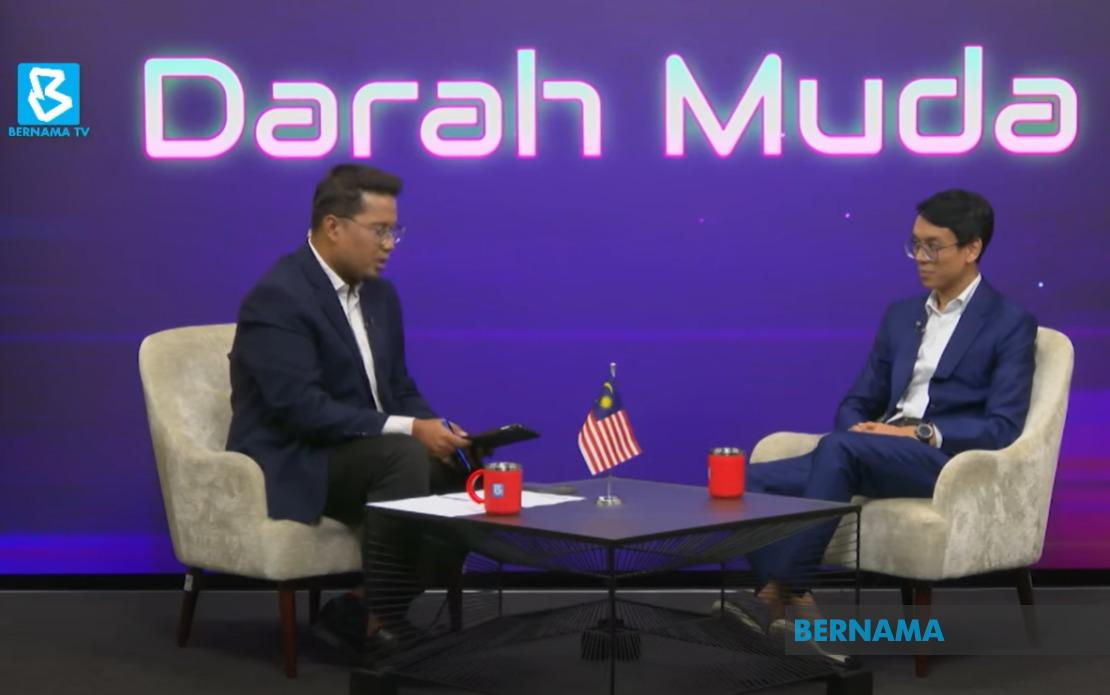
Mohamad Ikmal Ahmad Nordin, a data analyst with IKRAM Malaysia's Economic Agenda Team, argues that the RCI report's detailed findings should prompt a wholesale reimagining of how Tabung Haji is led and organised. The issues documented in the inquiry extend beyond isolated misconduct and reflect structural weaknesses in how the organisation has been managed over time. Rather than treating the report as a final reckoning, policymakers should use it as a blueprint for fundamental change, he contends.
The crux of the problem, according to Mohamad Ikmal, centres on a mismatch between the institution's complex dual mandate and the qualifications of those steering it. Tabung Haji operates simultaneously as a religious trust managing the spiritual dimensions of the Hajj journey and as a sophisticated financial intermediary handling billions in depositor savings and investment portfolios. This dual character demands leadership with genuine expertise in both domains—yet historically, the institution has frequently been headed by individuals whose backgrounds did not equip them for the financial stewardship such responsibility demands. The absence of personnel with accountancy, fund management, or actuarial credentials at senior levels left Tabung Haji vulnerable to poor investment decisions and inadequate risk oversight.
Modernising the institution's structure offers a pathway forward, he suggests. Tabung Haji should prioritise recruiting specialists in finance, investment management, and accounting to occupy its most senior positions. The religious and Hajj-related components—organising pilgrim logistics, ensuring spiritual compliance, and liaising with Saudi authorities—could be delegated to established government bodies such as the Department of Islamic Development Malaysia (JAKIM) or the Minister overseeing religious affairs. This division of labour would allow each function to be executed by those with genuine mastery of their respective fields, rather than asking a single leadership team to excel at tasks requiring fundamentally different skill sets.
The implications of this institutional weakness extend particularly to younger Malaysians who aspire to perform the Hajj but lack the financial means to save adequately. As the cost of pilgrimage has risen substantially over recent decades, many Muslims in their twenties and thirties view Tabung Haji as their primary tool for accumulating the necessary funds. Yet without confidence in the institution's financial management and investment acumen, younger depositors hesitate to commit their savings to it. Enhanced governance and forward-thinking leadership could reverse this erosion of trust, enabling Tabung Haji to design schemes genuinely tailored to the circumstances of younger savers—perhaps through flexible contribution structures, realistic returns projections, or innovative instruments that acknowledge modern financial realities.
Rebuildng public confidence also requires transparency about how the institution will learn from past missteps. Mohamad Ikmal emphasises the importance of conducting thorough forensic audits not only of Tabung Haji itself but of all companies and subsidiaries operating under its umbrella. These investigations must identify the precise mechanisms through which funds were misallocated, which individuals or entities benefited from questionable transactions, and which systemic safeguards failed to prevent abuse. Partial accountability—addressing some failings while ignoring others—merely creates opportunities for similar problems to resurface through alternative channels.
The forensic audit process serves multiple purposes beyond legal accountability. It sends a signal to depositors that management takes their concerns seriously and is willing to expose uncomfortable truths. It provides detailed case studies that can inform the design of better internal controls and oversight mechanisms. And it establishes a historical record that future leaders cannot easily dismiss or minimise. Without this thoroughness, communities of faith lose confidence that institutions claiming to hold their resources in trust are genuinely acting as stewards rather than mere custodians willing to bend rules.
For Tabung Haji, returning to its foundational purpose—functioning as an efficient, trustworthy mechanism for enabling Muslims to fulfil the Hajj obligation—must anchor all reform efforts. The institution has drifted into excessive diversification and opaque investment ventures that have little connection to this core mission. Refocusing on Hajj preparation and pilgrimage support would clarify organisational priorities, simplify performance metrics, and reduce opportunities for self-interested decisions masquerading as strategic initiatives. Younger Malaysians in particular would benefit from clarity about what Tabung Haji is and what it commits to deliver.
The broader Malaysian governance context makes these reforms timely and necessary. Public institutions across the country face credibility challenges stemming from perceived conflicts of interest, inadequate technical expertise, and weak accountability mechanisms. Tabung Haji's case has become emblematic of these broader weaknesses—a situation where a revered institution designed to serve a sacred purpose became a vehicle for diverting resources away from those it was meant to benefit. Demonstrating that systemic reform is possible at Tabung Haji could model how other government bodies and statutory authorities might similarly strengthen their governance frameworks and restore public trust through competent, transparent leadership.

