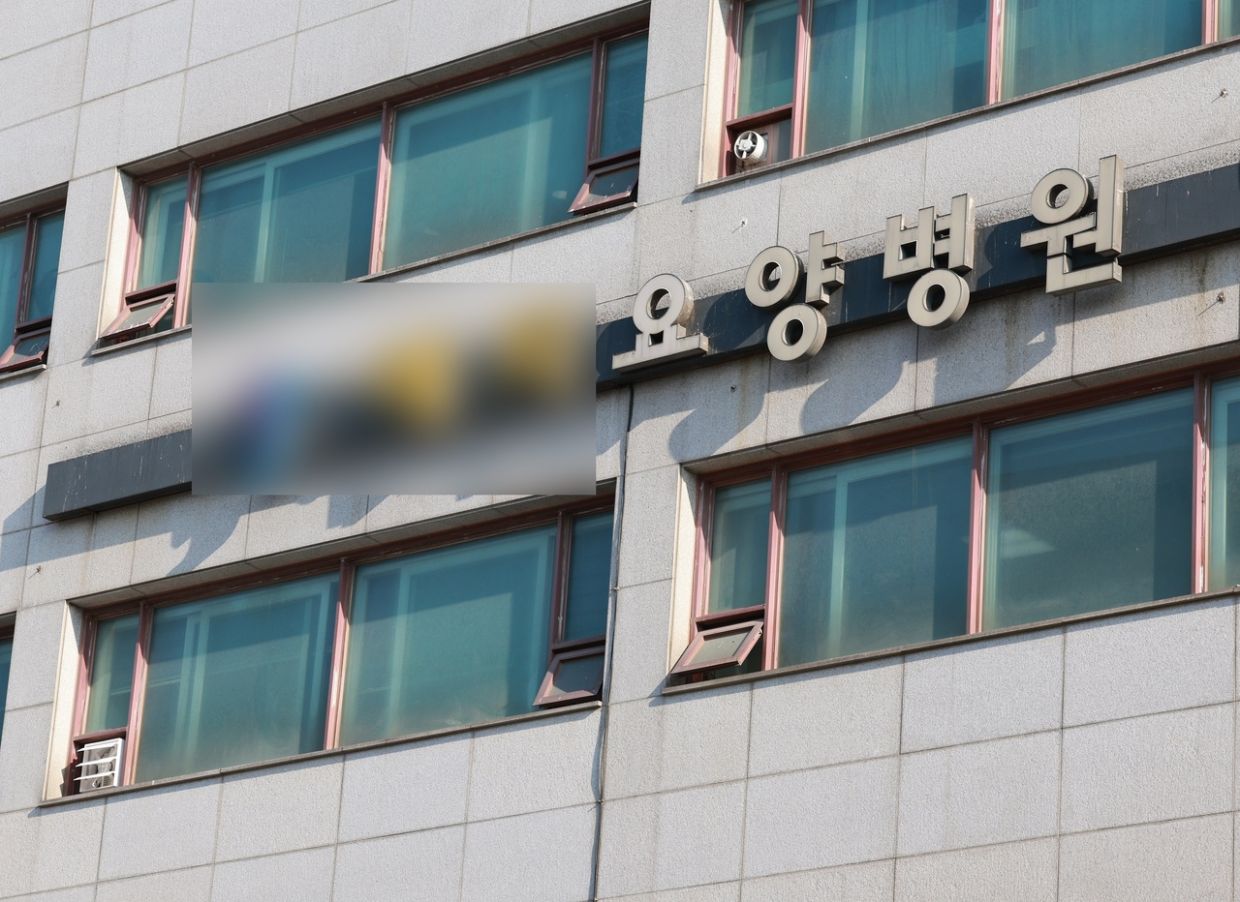
South Korean police have concluded their initial investigation into the discovery of a human leg at a recycling centre in Incheon, determining that the body part was accidentally disposed of as general waste by hospital staff rather than through proper medical waste channels. The Incheon Yeonsu Police Station announced the findings on Friday, June 19, after the limb was located the previous week at the Southern Regional Resource Recovery Centre. The discovery has prompted multiple inquiries into whether the healthcare facility violated national waste management regulations and potentially medical practice standards.
The leg belonged to a female patient in her 80s who underwent amputation at a nursing hospital located in Jung-gu, Incheon. According to police accounts, the limb was initially classified as medical waste following the surgical procedure. However, during the disposal process, a member of the cleaning and maintenance staff, aged in their 60s, mistakenly placed the amputated limb alongside general recyclable materials. The worker apparently believed the body part was a component from a medical mannequin or training model rather than human tissue, a critical error that led to the leg reaching the recycling facility instead of a designated medical waste disposal container.
The leg was discovered at approximately 2:28 pm on June 10, sparking immediate police involvement and triggering forensic examination procedures. Initial analysis by the National Forensic Service confirmed that the remains were from an adult human, narrowing the investigation scope considerably. When officials from the Jung-gu hospital subsequently reported to police that an amputation had been conducted at their facility, investigators pursued a DNA comparison to establish conclusive identification. The genetic analysis confirmed that the leg matched the female patient's biological profile, effectively closing the question of the limb's origin.
The investigation has revealed troubling gaps in the hospital's waste management protocols. South Korea's Wastes Control Act explicitly requires that medical waste, including amputated limbs and other pathological materials, be disposed of separately in government-designated containers specifically designed for such materials. The apparent failure to prevent general staff from accessing or mishandling surgical waste suggests systemic weaknesses in the facility's internal procedures. Investigators are now examining whether the hospital's disposal practices complied with these mandatory legal requirements and whether proper training and supervision mechanisms were in place to prevent such incidents.
Beyond waste management violations, police are also scrutinising whether the hospital operated within the parameters of South Korea's Medical Service Act during the amputation procedure itself. Allegations have emerged suggesting that the Jung-gu nursing hospital may lack the necessary surgical equipment and facilities required to perform amputation procedures independently. This raises separate concerns about whether the procedure was conducted appropriately at the facility or whether the patient should have been transferred to a more specialised medical centre. The police have been cautious in making definitive statements on this matter, acknowledging that further expert consultation is required before reaching conclusions.
The circumstances surrounding the patient's treatment at the facility add another dimension to the case. According to testimony from the patient's family, the elderly woman was admitted to the nursing hospital after other medical institutions declined to admit her due to her rapidly deteriorating health condition. This context suggests that the family faced limited options in securing appropriate care for their relative, potentially explaining why they accepted treatment at a facility that may have operated beyond its technical capabilities. The narrative reflects broader healthcare access challenges in South Korea, where patients and families sometimes struggle to find institutions willing to treat complex or terminal cases.
Police have clarified that forensic evidence indicates no criminal foul play was involved in the discovery or condition of the remains. The leg was not subject to any deliberate mistreatment or violence beyond the initial surgical amputation. This finding, while reassuring regarding intentional misconduct, does not alleviate concerns about systemic negligence and regulatory violations. The incident appears to stem entirely from procedural failures and inadequate staff supervision rather than from any deliberate intent to harm the patient or conceal evidence.
The path forward for determining appropriate legal consequences remains uncertain and complex. Police officials have indicated that they have yet to identify specific criminal penalties within the Medical Service Act framework that might apply to the hospital's conduct. This ambiguity underscores potential gaps in South Korea's regulatory architecture when it comes to enforcement actions against healthcare institutions. The authorities have committed to consulting extensively with the Korean Medical Association, the Ministry of Health and Welfare, and legal experts before finalising their findings and recommendations for prosecution or administrative action.
This case serves as a cautionary example for healthcare facilities across South Korea regarding the critical importance of robust waste management systems and staff training. The incident demonstrates how even seemingly minor procedural oversights—in this instance, a cleaning worker's mistaken assumption about the nature of disposed materials—can result in serious regulatory violations and public health concerns. For Malaysian hospitals and medical institutions, the case provides valuable lessons about the necessity of clear, enforceable protocols for handling medical waste, comprehensive staff education, and oversight mechanisms to prevent similar accidents.

%22%2F%3E%3C%2Fpattern%3E%3C%2Fdefs%3E%3Crect%20width%3D%22100%25%22%20height%3D%22100%25%22%20fill%3D%22url(%23ph2hy9vg)%22%2F%3E%3Crect%20width%3D%22100%25%22%20height%3D%22100%25%22%20fill%3D%22url(%23ph2hy9vp)%22%2F%3E%3Ctext%20x%3D%2250%25%22%20y%3D%2250%25%22%20text-anchor%3D%22middle%22%20dominant-baseline%3D%22central%22%20fill%3D%22rgba(255%2C255%2C255%2C0.95)%22%20font-family%3D%22Georgia%2C%20'Times%20New%20Roman'%2C%20serif%22%20font-weight%3D%22700%22%20font-size%3D%22272%22%20letter-spacing%3D%22-0.02em%22%3EAnwar%3C%2Ftext%3E%3C%2Fsvg%3E)