Seoul faces a significant policy crossroads as its municipal council moves forward with plans to provide free or subsidised bus fares for senior citizens aged 70 and older, potentially extending a transportation benefit system that has already strained the city's finances. The proposal advanced through committee review on June 15 and was slated for a plenary vote on June 17, marking another attempt by the administration to expand welfare coverage for an ageing population. Unlike the existing free subway scheme for those aged 65 and above, this new initiative would cover conventional city and neighbourhood buses while deliberately excluding premium services such as express and intercity routes. The policy, championed by Seoul Mayor Oh Se-hoon as part of his electoral platform during June's local elections, reflects growing pressure to address mobility inequities among the city's most vulnerable residents.
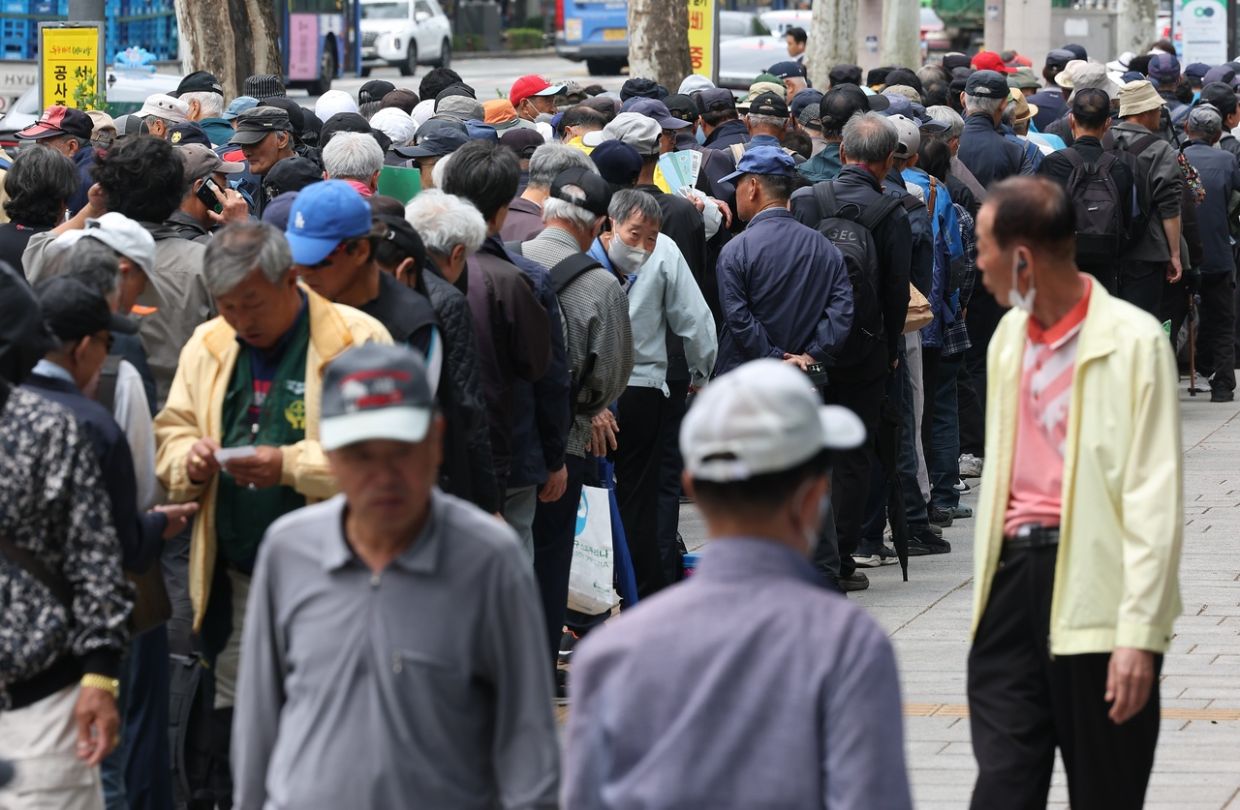
The timing of this proposal underscores a critical demographic challenge facing South Korea's capital. With 21.2 per cent of Seoul's population now classified as seniors, the city is grappling with an unprecedented fiscal burden from age-related welfare programmes. The elderly population aged 70 and above currently stands at approximately 1.27 million residents and is projected to swell to 1.63 million within just six years by 2031. This trajectory creates compounding budgetary pressures that city administrators must confront even as they contemplate expanding existing benefits. The proposal originated from Transportation Committee Chair Lee Byeong-yoon of the People Power Party, whose ordinance would establish the legal framework enabling the city to create and administer such a programme.
Cost projections paint a sobering picture of the financial commitment involved. According to estimates prepared by the Seoul Metropolitan Council Secretariat, implementing universal free bus rides for all residents aged 70 and older would require approximately 104.7 billion won, equivalent to roughly US$68 million, in the programme's inaugural year assuming a 2027 launch date. More concerning are the trajectory forecasts: as the eligible population grows, annual expenditures could climb to 127.5 billion won by 2031, while cumulative spending over a five-year period would approach 579 billion won. These figures represent a substantial addition to Seoul's existing transportation subsidy commitments, which already include over 450 billion won in annual support provided to private bus operators to compensate for operating losses.
Seoul's existing senior transportation benefits system already carries a considerable weight on municipal coffers. The city's Metro operator has consistently pointed to free rides for seniors, people with disabilities, and national merit recipients as primary contributors to its persistent financial deficits. Over the past five years, these concessional fares have generated average annual losses of 364.5 billion won, with the figure reaching 448.8 billion won in 2025 alone. The Metro operator has repeatedly petitioned the central government to assume responsibility for these costs, arguing that such welfare provision should not be borne entirely by the transit operator. This ongoing financial struggle creates a complex backdrop against which policymakers must evaluate the wisdom of introducing additional bus subsidy obligations.
Other South Korean municipalities have already ventured down this path, creating both precedent and cautionary lessons for Seoul's deliberations. Daegu initiated free bus rides for seniors in 2023 and is executing a phased approach to gradually lower the eligibility age threshold from 75 to 70 by 2028. Daejeon has already granted free bus access to residents aged 70 and older, whilst Incheon announced plans to implement a comparable programme for those aged 75 and above during 2024. These developments among peer cities underscore a broader policy trend across the country, yet they also highlight the cascading nature of such commitments. Once introduced in one jurisdiction, similar schemes face mounting political pressure in neighbouring areas, creating a ratchet effect that makes eligibility criteria and benefit levels difficult to constrain.
Underlying the current proposal is a genuine accessibility issue that supporters emphasise when advocating for the programme. The existing transportation benefit system creates an asymmetrical situation where seniors enjoy free subway access but must pay for bus travel, an arrangement that disproportionately affects elderly residents living in areas distant from metro stations or those whose daily routines depend primarily on bus networks. This gap in coverage means that geographic location essentially determines the value of available transportation subsidies, effectively penalising seniors who cannot easily access the subway system. Proponents argue that extending free or subsidised bus fares would rectify this inequity and ensure more uniform accessibility to public transportation regardless of residential proximity to subway infrastructure.
Yet substantial concerns about affordability and programme design have emerged from fiscal watchdogs and policy analysts. Sohn Jong-pil, a senior researcher at the Fiscal Reform Institute, cautioned that cash-based welfare initiatives become extraordinarily difficult to scale back once implemented, warning that Seoul should proceed with considerable caution. This expert perspective reflects a widely held concern among public finance specialists that benefit programmes, once established and embedded in public expectations, acquire political permanence. The analyst further noted that simply expanding support without simultaneously strengthening public accountability within the semi-public bus system represents an incomplete policy response that fails to address underlying structural inefficiencies.
City officials and ordinance supporters have countered these budgetary concerns by highlighting the flexibility embedded within the proposed framework. The ordinance does not mandate providing unlimited free rides to every person aged 70 and older. Rather, it establishes the legal architecture that permits Seoul to calibrate both eligibility parameters and benefit intensity. This flexibility could enable policymakers to phase implementation strategically, perhaps beginning with low-income seniors, implementing caps on subsidised trips, restricting support to off-peak travel periods, or offering partial rather than complete fare discounts. A Seoul city official emphasised that the ordinance should be understood as constructing an institutional foundation rather than compelling immediate universal provision of free bus fares.
The deeper policy question that Seoul's deliberations raise concerns the city's capacity to sustain an expanding welfare infrastructure whilst confronting other fiscal pressures. Recent court rulings on ordinary wages are expected to amplify labour costs throughout the bus industry, creating additional headwinds for operators and the municipal government subsidising their operations. The tension between expanding senior benefits and the city's stated inability to fully fund existing commitments raises questions about priority-setting and resource allocation. Critics highlight an apparent inconsistency: Seoul argues it cannot shoulder the full burden of funding free senior subway rides and petitions the central government for assistance, yet simultaneously contemplates expanding transportation subsidies through new bus programmes.
The sequence of policy implementation also carries significance for understanding Seoul's approach. Even if the council approves the ordinance, the city would retain substantial discretion regarding programme details. Officials would need to determine specific eligibility criteria, define benefit levels, establish funding mechanisms, and potentially negotiate with bus operators regarding compensation structures. This phased decision-making approach could theoretically allow Seoul to start with a narrowly tailored pilot programme targeting particular senior cohorts before expanding to universal eligibility. Such a measured rollout might enable policymakers to gather operational data, assess actual costs, and evaluate service impacts before committing to full implementation.
The broader context of Seoul's policy debate reflects challenges increasingly familiar across East Asia's wealthy, rapidly ageing societies. Municipal governments face mounting pressure to provide enhanced welfare services to burgeoning elderly populations while simultaneously managing fiscal constraints, infrastructure maintenance demands, and other competing priorities. Seoul's experience with free senior transit fares offers a real-world case study in how quickly transportation benefits can accumulate costs, and how politically difficult it becomes to adjust or restrict such programmes once established. For policymakers across the Southeast Asian region, particularly in nations experiencing accelerating population ageing, Seoul's deliberations provide instructive lessons about the need for careful programme design, phased implementation, and realistic cost projections when contemplating universal welfare benefits.