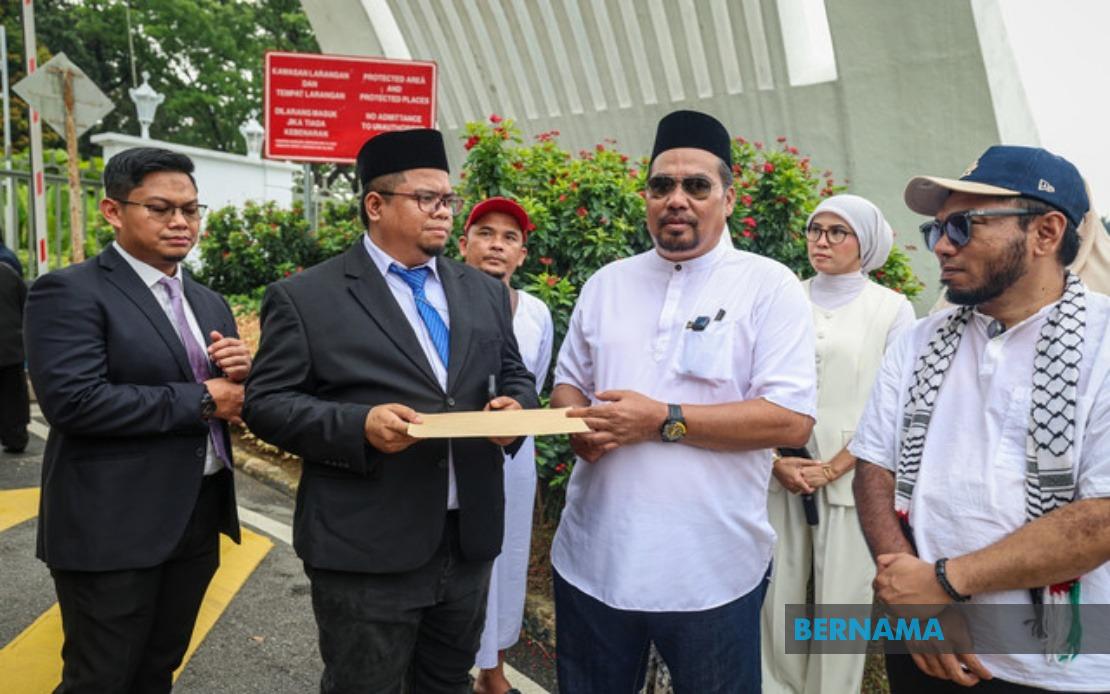
Social media activist group Sekretariat Gerak Gempur Media Sosial Rakyat Malaysia (SEKPUR) has intensified calls for the government to hold accountable all individuals involved in mismanagement at Lembaga Tabung Haji (TH), regardless of their political affiliations or positions. The organisation submitted its formal memorandum during a peaceful assembly at Parliament on August 11, seeking to ensure that findings from the recent Royal Commission of Inquiry report translate into meaningful accountability measures.
The submission of the memorandum, received by Zairudin Hashim, press secretary to the Minister in the Prime Minister's Department (Religious Affairs), represents a deliberate effort to keep momentum behind reform efforts at Malaysia's pilgrimage management institution. SEKPUR's action follows the special parliamentary sitting convened to brief lawmakers on the RCI's findings and the government's roadmap to stabilise TH's financial position. The group's intervention underscores growing public impatience with the pace of institutional reform and highlights the political pressure mounting on authorities to demonstrate tangible progress.
According to SEKPUR secretary Mohd Yani Alias, the memorandum emphasises that accountability must transcend party politics and factional considerations. He articulated a principled stance that those found culpable should face prosecution and appropriate sanctions, emphasising that TH functions as a sacred trust held on behalf of the Muslim and Malay community. This framing positions the issue not merely as an administrative matter but as a question of fiduciary responsibility to a specific demographic constituency whose religious and financial interests are at stake.
The 211-page RCI report, released publicly on July 29, examined institutional weaknesses spanning 2014 to 2020 — a period marked by considerable financial deterioration and operational challenges within TH. The document identifies systemic failures in governance, investment decisions, and oversight mechanisms that contributed to the organisation's broader financial distress. The scope and depth of the inquiry suggest that problems were neither isolated nor incidental but rather reflected deeper structural deficiencies in how TH was managed during this critical period.
Beyond pursuing accountability for past failures, SEKPUR has highlighted the institution's urgent need to restore financial stability and reassure depositors about the security of their savings. The group specifically raised concerns regarding the competitiveness of hibah distributions — the profit-sharing returns that TH depositors depend upon for supplementary income during retirement or emergencies. As economic pressures mount across Southeast Asia and Malaysian households increasingly scrutinise where they place their savings, the credibility of TH's financial commitments to ordinary savers becomes paramount to institutional recovery.
Another critical area flagged by SEKPUR relates to the escalating cost of performing the haj, which the group argues has become an unmanageable financial burden for many Malaysian pilgrims. As TH manages pilgrim quotas and facilitates savings schemes specifically designed to help ordinary Malaysians afford the journey, its operational costs directly affect the affordability of this fundamental Islamic obligation. Rising expenses, whether due to international pressures, administrative inefficiency, or inadequate pricing mechanisms, squeeze households already contending with inflation and living cost increases across the region.
Transparency in haj quota management emerged as another focal concern within the memorandum. The allocation of pilgrimage slots involves both logistical complexity and resource constraints, yet the mechanisms by which TH distributes these limited opportunities have historically lacked public clarity. SEKPUR's emphasis on transparency suggests that some Malaysians harbour suspicions about whether quota allocation reflects purely merit-based systems or whether patronage considerations have influenced distributions. Restoring confidence in fair processes is essential to rebuilding institutional credibility.
As of July 30, TH had reportedly implemented 75 per cent of the 25 recommendations contained within the RCI report. While this completion rate suggests reasonable progress, the remaining quarter of outstanding recommendations raise questions about implementation timelines and the nature of those still pending. Some recommendations may involve legislative amendments, budgetary reallocations, or personnel decisions that carry political implications, potentially explaining delays in their fulfilment. The speed at which these final recommendations are executed will signal to stakeholders whether reform momentum is genuine or merely performative.
The Yang di-Pertuan Agong's directive that wrongdoers be pursued to the fullest extent of the law carries constitutional weight and moral force within Malaysian society. SEKPUR's invocation of this royal decree in their memorandum strategically elevates the issue beyond ordinary administrative discourse into a matter of institutional principle and constitutional propriety. When the highest office in the land articulates expectations for accountability, it becomes politically more difficult for lower officials or political actors to obstruct investigations or shield potential wrongdoers from prosecution.
For Malaysian depositors, who have entrusted TH with their hajj savings often accumulated painstakingly over decades, the stakes are deeply personal. SEKPUR's activism reflects broader public sentiment that recovery of TH requires more than technical adjustments to investment portfolios or rhetorical commitments to better governance. It demands visible, substantive consequences for those whose decisions or negligence contributed to financial damage. Without such accountability, confidence in TH's institutional reliability will remain fragile, and depositors may increasingly redirect their savings toward alternative pilgrimage financing mechanisms or competing financial institutions.
The convergence of SEKPUR's activism with parliamentary scrutiny and RCI findings suggests that TH's rehabilitation remains a politically live issue unlikely to fade from public attention quickly. Government officials face mounting pressure to demonstrate that they are not merely managing TH's decline but genuinely reversing it. For Southeast Asian observers, TH's experience offers cautionary lessons about the consequences of weak governance in financial institutions entrusted with managing community resources, particularly those serving populations with limited alternative options for accessing comparable services.

