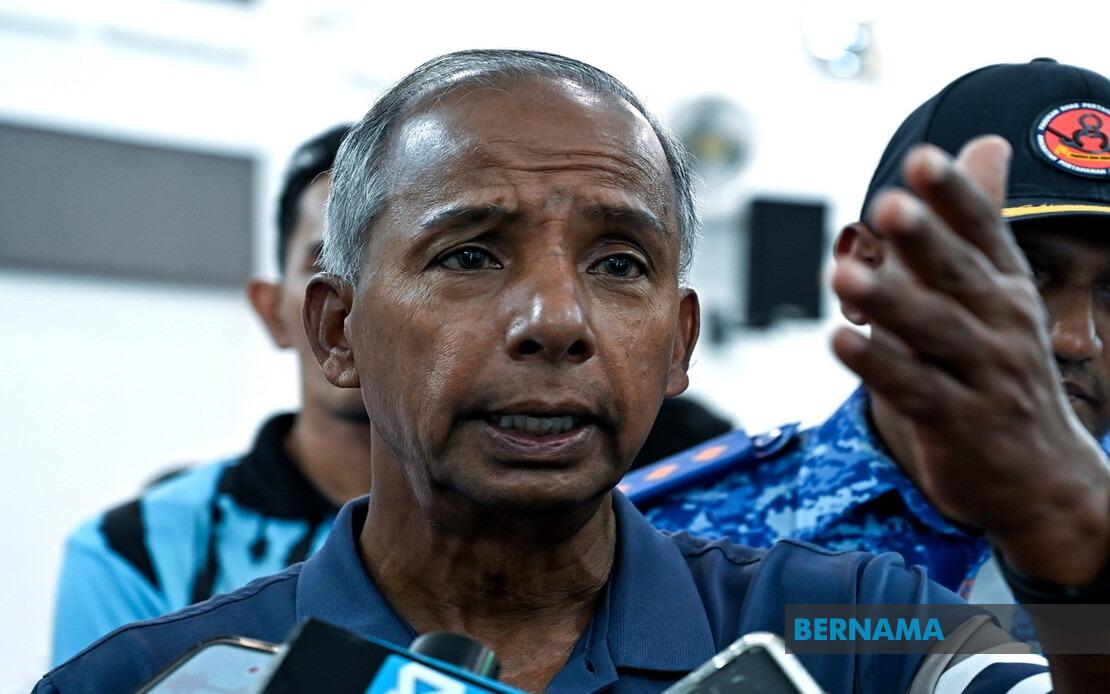
A freak weather event of unprecedented intensity struck the Bercham area in Ipoh yesterday afternoon, leaving widespread destruction across several residential neighbourhoods. Ipoh Barat Member of Parliament M. Kulasegaran, who serves as Deputy Minister in the Prime Minister's Department (Law and Institutional Reform), characterised the storm as highly unusual for the region, affecting more than 200 households across five distinct locations. The incident has raised serious concerns about climate resilience in Perak's urban areas, particularly given the severity of damage observed.
Meteorological experts believe the destructive storm was caused by a landspout phenomenon, a rare weather occurrence that has not previously been documented in Bercham. Unlike typical tropical storms that produce fallen trees and minor structural damage, this particular event demonstrated characteristics more akin to a small typhoon, inflicting severe damage to residential properties across the affected zones. Kulasegaran drew explicit comparisons to past weather events in the region, noting that recent years had seen only moderate impacts from atmospheric disturbances. This storm represents a significant departure from historical patterns, suggesting potential shifts in localized weather behaviour that warrant scientific investigation.
Police documentation paints a detailed picture of the disaster's scope. Ipoh district police chief ACP Muhammad Najib Hamzah confirmed that 240 homes and eight business premises sustained damage, with 121 formal reports lodged by morning. However, authorities acknowledge that final casualty and damage figures remain incomplete, as several homeowners were away on vacation while others had rented their properties to tenants. This administrative uncertainty complicates relief coordination efforts, though officials have prioritized victim safety and prevented unauthorized movement through affected areas to protect properties undergoing restoration work.
The absence of fatalities stands as a critical positive outcome amid the destruction. Despite the ferocity of the storm, swift emergency response and community safety protocols ensured no loss of life occurred. Police have established cordons around affected neighbourhoods, stationing patrol personnel including traffic officers to manage access and maintain security while residents and contractors work on repairs. This controlled approach prevents further accidents and enables systematic damage assessment and recovery operations.
Immediate assistance mechanisms have been activated to support affected residents. Kulasegaran coordinated with the Social Welfare Department (JKM), village headmen, and multiple government agencies to channel emergency relief. The Implementation Coordination Unit (ICU) of the Prime Minister's Department has been engaged to dispatch contractors for rapid structural repairs, with priority given to roof damage given the forecast risk of additional rainfall. Officials urged residents to lodge police reports promptly to streamline aid distribution and documentation processes.
The Civil Defence Force has mobilized specialized teams to address infrastructure damage alongside residential harm. The Perak Civil Defence Force (APM) Special Team chief of operations Captain (PA) C. Sehgar reported receiving multiple distress calls regarding uprooted trees, compromised roofs, and downed electricity poles. These emergency response efforts have largely resolved the immediate hazards, though ongoing cleanup work continues under coordination between the Ipoh City Council (MBI) and APM personnel. Approximately 200 houses required intervention, necessitating sustained coordination between government bodies and community members.
The rapid government response underscores recognized vulnerabilities in Perak's disaster preparedness framework. While tropical storms regularly occur across Malaysia, the unprecedented nature of this landspout has exposed gaps in infrastructure resilience and emergency protocols for extreme localized phenomena. The involvement of multiple agencies including the Prime Minister's Department signals recognition at federal level that Bercham's recovery demands coordinated resources beyond standard municipal capacity. This incident may prompt recalibration of disaster management strategies across urban Perak.
Malaysian meteorological patterns have shifted noticeably over the past decade, with climate research indicating increasing frequency of extreme weather events in Southeast Asia. Bercham's experience mirrors observations from across the region, where tropical areas previously considered low-risk for severe localized storms now encounter unpredictable atmospheric disturbances. The landspout classification suggests vertical wind shear and atmospheric instability created conditions rare in conventional tropical cyclone zones, potentially indicating broader climatic transitions affecting Malaysia's weather systems.
Community resilience will prove critical during extended recovery. Residents face not merely physical reconstruction but psychological strain from a sudden, unforeseeable disaster. The social fabric of the neighbourhoods must be sustained through transparent communication about assistance timelines and reconstruction standards. Local leaders and government representatives bear responsibility for maintaining community confidence while managing expectations about repair completion timeframes and aid adequacy.
Looking forward, authorities must undertake comprehensive damage surveys to inform building code revisions and urban planning adjustments. The Bercham incident provides invaluable data regarding structural vulnerabilities in residential construction practices across Perak. Recommendations emerging from post-disaster analysis could strengthen housing standards not merely in Ipoh but across Malaysia's urban centres. Investment in meteorological monitoring and early warning systems specific to landspout detection represents another critical priority.
The incident has amplified awareness among Malaysian policymakers regarding climate-related risks to urban populations. While immediate relief efforts continue and repair contractors mobilize, the longer-term implications demand sustained attention to infrastructure enhancement and community preparedness education. Bercham residents have demonstrated remarkable resilience during this unprecedented crisis, and their recovery trajectory will inform disaster management strategies across the nation.