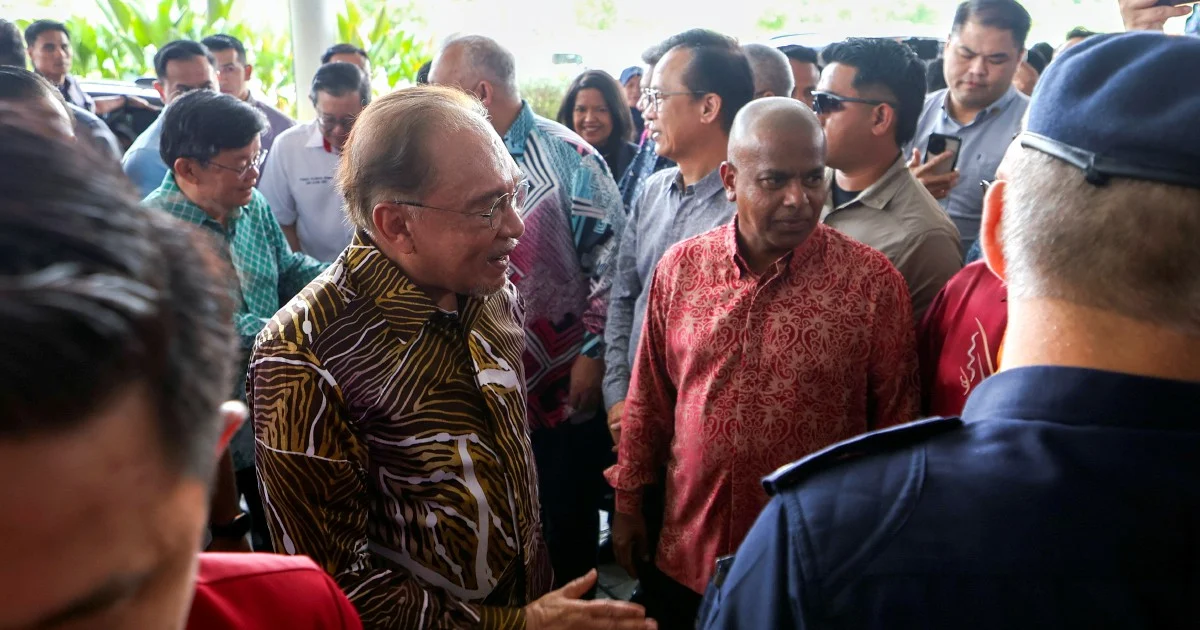
Prime Minister Datuk Seri Anwar Ibrahim has lauded Petroliam Nasional Bhd's successful acquisition of two substantial gas fields in Turkmenistan, framing the transaction as a decisive advancement for Malaysia's domestic energy security and strategic interests. Speaking in his constituency of Permatang Pauh, Anwar emphasised the significance of the agreement within the broader context of the nation's endeavour to safeguard reliable hydrocarbon supplies and reduce dependency on volatile international markets.
The award of these gas concessions to Petronas represents a substantial expansion of the national oil and gas company's footprint across Central Asia, a region of increasing strategic importance for energy-dependent nations throughout Asia. Malaysia, as a net energy importer despite its own hydrocarbon reserves, has long recognised the imperative to diversify its supply sources and establish stable, long-term agreements with producers. This Turkmenistan contract positions Petronas as a key participant in unlocking the region's vast untapped reserves, while simultaneously strengthening Malaysia's negotiating position within international energy negotiations.
Turkmenistan possesses some of the world's largest proven natural gas reserves, sitting among the top five globally by volume. The country's geographical location along historical trade corridors, combined with its resource wealth, has rendered it an increasingly attractive destination for international energy corporations seeking to establish enduring partnerships. For Petronas, gaining access to these fields provides the company with opportunities to develop production capabilities beyond its traditional operating zones, enhancing its status as a multinational energy player with geographically dispersed operations.
From a macroeconomic perspective, the deal carries considerable ramifications for Malaysia's energy strategy over the coming decades. As the nation pursues its transition toward cleaner energy sources and renewable technologies, maintaining access to natural gas remains strategically vital—gas serves as a crucial bridge fuel that can displace coal while allowing for more flexible power generation as the grid progressively incorporates solar, wind, and other renewable sources. The Turkmenistan agreement ensures that Petronas can continue supplying domestic power plants and petrochemical facilities with competitively priced gas, thereby maintaining industrial competitiveness whilst the country advances its longer-term decarbonisation objectives.
The transaction also underscores Petronas's continuing relevance as a significant player in global energy markets, despite headwinds from the worldwide energy transition. The company's ability to secure major international concessions demonstrates sustained confidence from host governments and international partners in Petronas's technical expertise, operational capabilities, and financial strength. This validates the company's strategic direction and reinforces Malaysia's standing within international energy diplomacy.
Regional considerations further amplify the importance of this development. Throughout Southeast Asia, concerns about energy security have intensified following recent geopolitical disruptions and supply-chain vulnerabilities. Malaysia's neighbours, including Thailand, Vietnam, and the Philippines, similarly depend upon imported energy resources or face supply constraints from aging domestic fields. Petronas's expanded international portfolio potentially positions Malaysia as a stabilising force within the regional energy landscape, capable of supporting ASEAN neighbours through bilateral energy-sharing arrangements or supply diversification strategies.
For Malaysian consumers and businesses, the implications are largely positive though indirect. Enhanced energy security helps moderate long-term electricity and fuel costs, providing stability for industrial operations and household budgeting. Manufacturing-dependent sectors, which remain significant drivers of Malaysia's economic activity, benefit substantially from predictable energy availability and pricing. The reduction in energy-related uncertainty can support investor confidence in Malaysia's economic outlook, particularly among foreign companies considering regional operations.
The Turkmenistan concessions also reflect Petronas's ongoing evolution beyond traditional upstream oil and gas activities. The company has increasingly positioned itself as a comprehensive energy solutions provider, managing complex international relationships and navigating intricate regulatory environments across diverse jurisdictions. Successfully executing large international projects enhances the company's capacity to attract and retain technical talent, while demonstrating to capital markets its sustainable business model and growth prospects.
Looking forward, the success of this arrangement may pave the way for additional energy partnerships across Central Asia and beyond. Anwar's public endorsement signals governmental commitment to supporting Petronas's international expansion strategies, potentially facilitating smoother negotiations for future opportunities. This political backing, combined with Petronas's demonstrated operational capabilities, creates a foundation for deeper engagement with other hydrocarbon-rich nations seeking reliable development partners.
The broader strategic dimension deserves consideration as well. Malaysia's deepening energy partnerships with Turkmenistan contribute to the nation's diversified foreign relations approach, establishing economic ties with countries positioned at the intersection of European, Russian, and Asian spheres of influence. Such relationships enhance Malaysia's diplomatic flexibility and provide economic alternatives in an increasingly multipolar global order. For a middle-power nation, cultivating such partnerships serves both immediate energy requirements and longer-term geopolitical interests.
%22%2F%3E%3C%2Fpattern%3E%3C%2Fdefs%3E%3Crect%20width%3D%22100%25%22%20height%3D%22100%25%22%20fill%3D%22url(%23phog8ug)%22%2F%3E%3Crect%20width%3D%22100%25%22%20height%3D%22100%25%22%20fill%3D%22url(%23phog8up)%22%2F%3E%3Ctext%20x%3D%2250%25%22%20y%3D%2250%25%22%20text-anchor%3D%22middle%22%20dominant-baseline%3D%22central%22%20fill%3D%22rgba(255%2C255%2C255%2C0.95)%22%20font-family%3D%22Georgia%2C%20'Times%20New%20Roman'%2C%20serif%22%20font-weight%3D%22700%22%20font-size%3D%22170%22%20letter-spacing%3D%22-0.02em%22%3EMalaysia%3C%2Ftext%3E%3C%2Fsvg%3E)