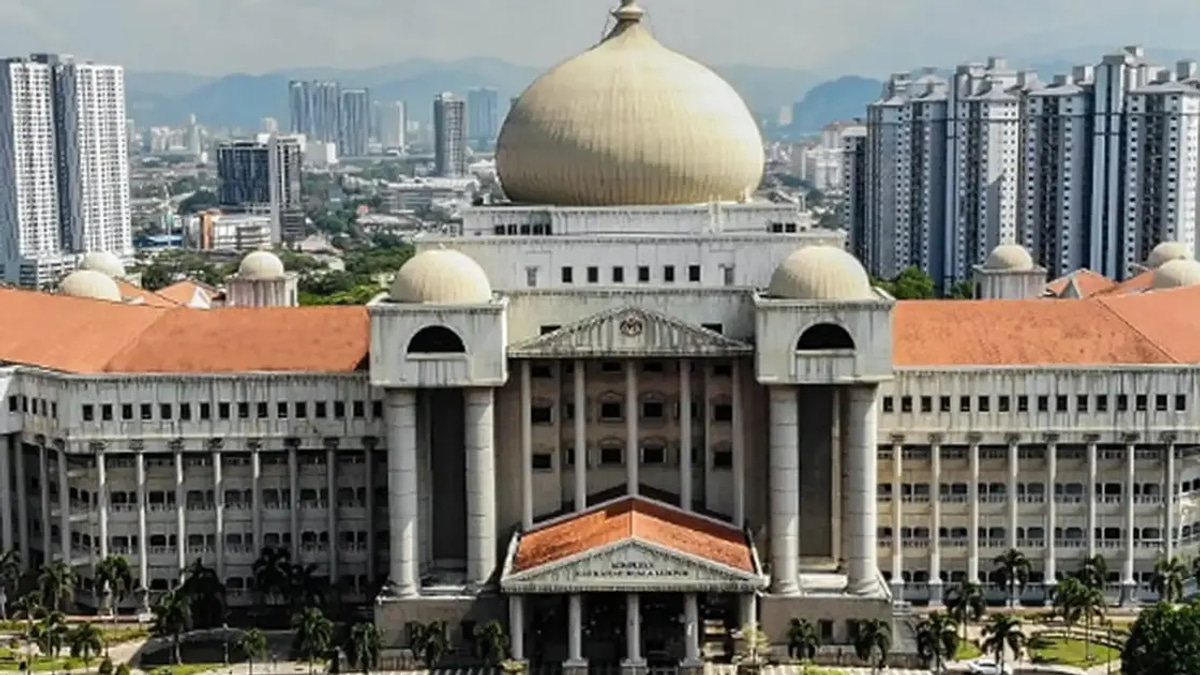
Hannah Yeoh, who oversees federal territories in her ministerial portfolio, has stressed that Putrajaya cannot afford to compromise on maintaining high standards of cleanliness and public safety as the planned capital continues to attract escalating visitor traffic throughout the year.
The minister's remarks come at a time when Putrajaya has emerged as a key destination within Malaysia's administrative and leisure tourism landscape. As the federal capital, the city serves not only as the seat of government operations but also as a showcase for Malaysia's urban development capabilities and governance practices on the international stage. The surge in visitors—ranging from domestic tourists to international delegations and school groups—places considerable pressure on municipal services and public facilities.
Yeoh's position reflects a broader commitment to ensuring that Putrajaya's reputation remains untarnished and that the city functions optimally as both a working capital and visitor destination. The emphasis on "without excuses" suggests a zero-tolerance approach to lapses in maintenance, hygiene, and security protocols across both public spaces and administrative facilities. This stance aligns with Malaysia's efforts to position itself as a modern, well-managed nation capable of maintaining international standards.
The cleanliness imperative extends beyond aesthetic considerations. Inadequate sanitation and public health standards can undermine visitor confidence, affect Malaysia's standing in global competitiveness indices, and create operational challenges for the thousands of civil servants who work within Putrajaya daily. The city's design as a planned capital makes it easier to implement systematic cleaning regimens, but consistency requires sustained commitment and adequate resource allocation.
Safety standards carry equally significant implications. As a high-profile location housing government offices, parliament sessions, and major public events, Putrajaya requires robust security measures and well-maintained public facilities to prevent accidents and ensure visitor protection. Poor safety standards could expose the government to liability, discourage tourism, and create negative perceptions both domestically and internationally.
The federal territories fall under unique administrative arrangements, with ministerial oversight replacing standard state-level governance structures. This creates distinct accountability chains and coordination responsibilities. The Minister in the Prime Minister's Department holds direct leverage over Putrajaya's municipal administration, making such public statements particularly significant as they signal priorities and expectations to implementing agencies.
Investments in maintaining Putrajaya's infrastructure must be viewed as strategic rather than merely operational expenses. The city functions as Malaysia's administrative headquarters, hosting regular international conferences, diplomatic events, and high-level meetings where global perceptions of the nation are formed. Cleanliness and safety directly influence how foreign delegations and international media assess Malaysia's governance capacity and development trajectory.
For Malaysian residents and businesses operating within Putrajaya, consistent standards translate into predictable, pleasant working environments and reliable service delivery. When public spaces are properly maintained and security is visibly present, commercial activity flourishes, productivity increases, and employee satisfaction improves. These factors contribute to Putrajaya's viability as a competing business and administrative hub within Southeast Asia.
The statement also reflects contemporary global trends emphasizing public health and sanitation. Following increased awareness of hygiene's role in disease prevention and public welfare, maintaining exemplary cleanliness standards has become a competitive advantage for cities attracting both residents and visitors. Putrajaya's commitment to such standards positions it favorably against comparable Asian administrative capitals.
Implementing unwavering cleanliness and safety protocols requires coordination among multiple agencies, including municipal authorities, security forces, waste management contractors, and facility maintenance teams. Such coordination demands clear communication of standards, regular monitoring, swift corrective action, and accountability mechanisms that reward compliance and penalize negligence.
For Southeast Asian readers, Putrajaya's development trajectory offers insights into Malaysia's governance priorities and resource allocation strategies. The emphasis on maintaining premium standards reflects confidence in the nation's administrative capabilities and willingness to invest in public infrastructure that supports both effective governance and positive international perceptions.
As Malaysia competes with regional counterparts for international attention, investor confidence, and tourist revenues, maintaining Putrajaya as a showcase capital becomes increasingly important. Hannah Yeoh's unequivocal statements signal that the federal government views such maintenance not as optional enhancement but as fundamental obligation to citizens and the international community.