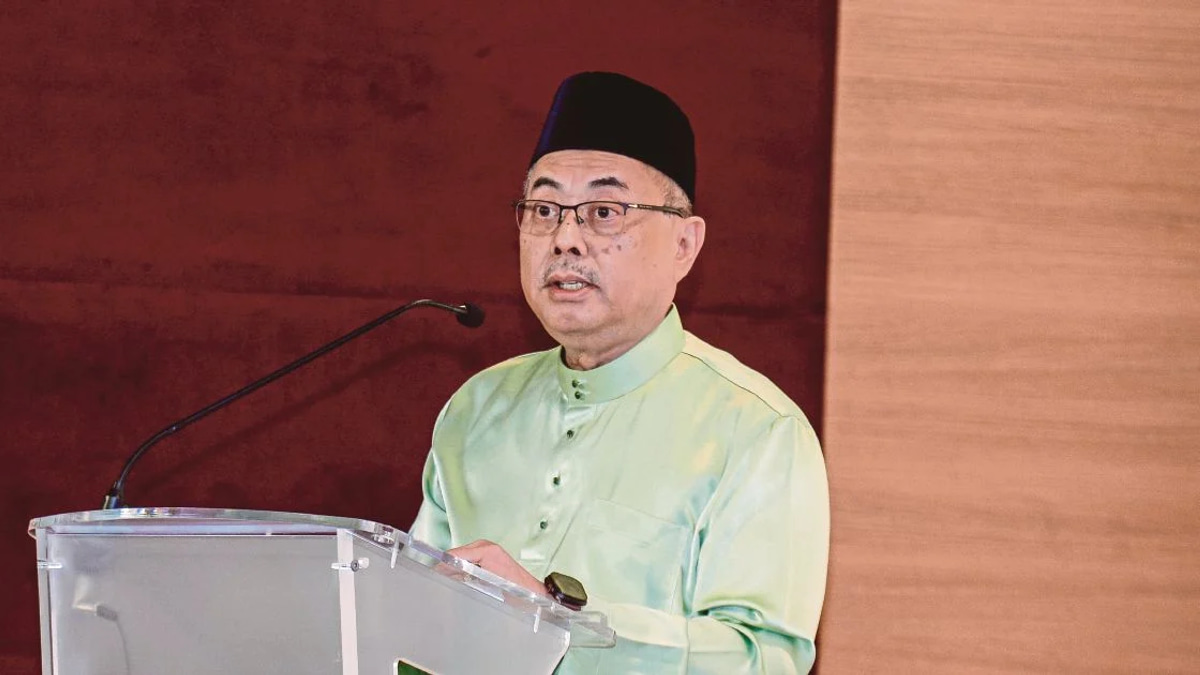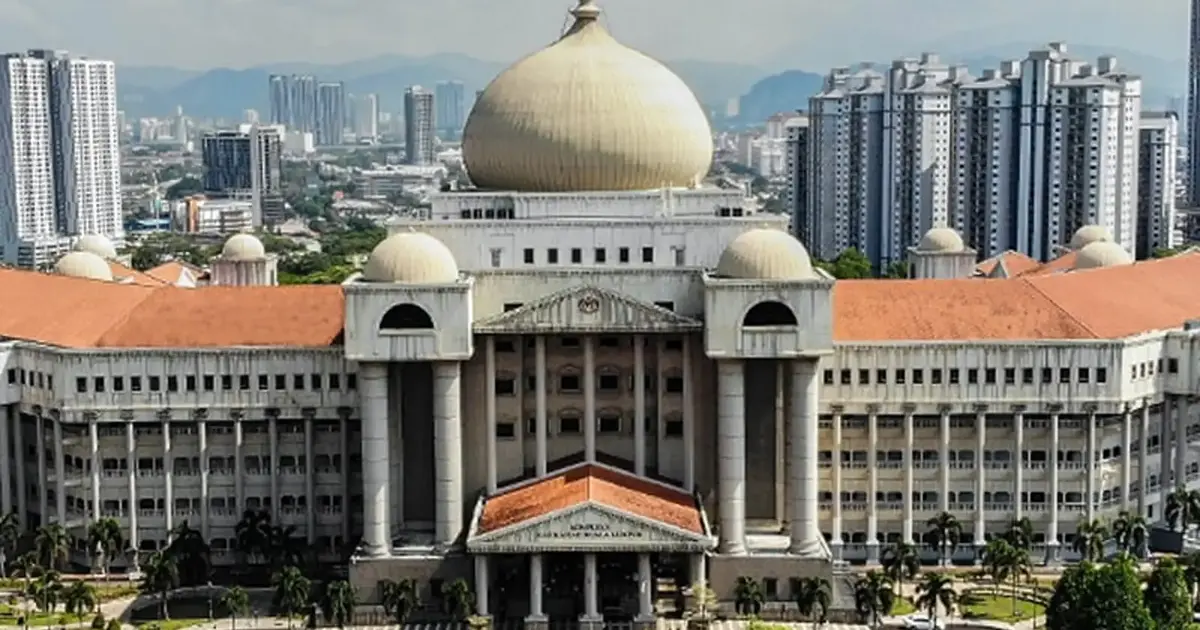
The High Court has delivered a significant judgment protecting the Prime Minister from being compelled to give testimony in a RM30 million civil lawsuit, determining that he does not qualify as a material witness whose evidence would be essential to the case. The decision represents an important legal precedent concerning the balance between judicial authority and the constitutional position of the head of government, establishing clear parameters for when senior political figures can be obligated to attend court.
The court's reasoning centered on the legal definition of a "material witness," a threshold that must be met before a subpoena can be enforced against any person, particularly one holding high office. Material witnesses are those whose testimony is relevant, necessary, and directly connected to facts in dispute in the litigation. The judgment concluded that the Prime Minister's involvement in the circumstances giving rise to the RM30 million claim was insufficient to warrant his compulsory appearance, suggesting his role was peripheral rather than central to the dispute at hand.
This ruling has immediate implications for ongoing litigation in Malaysia's courts, signaling to other litigants that claims against senior government officials will be scrutinized carefully to determine whether those officials possess genuinely material knowledge. The decision does not prevent the Prime Minister from voluntarily offering testimony should he choose to do so, but it shields him from the enforcement mechanism of the subpoena process. The distinction between voluntary and compulsory appearance carries practical weight, preserving executive autonomy while maintaining the theoretical possibility of cooperation.
The judgment reflects established common law principles that have long protected high-ranking public officials from routine court appearances, recognizing the operational demands of their positions. Malaysian courts have traditionally balanced the needs of the justice system against the functional requirements of government, and this decision reaffirms that balance. The ruling suggests that absent extraordinary circumstances demonstrating direct personal knowledge critical to resolving disputed facts, senior officials cannot be routinely dragged into courtroom proceedings.
The RM30 million lawsuit itself, while not detailed extensively in the court's judgment, represents a substantial claim that would ordinarily attract significant public and legal attention. The fact that such a large monetary amount was at issue underscores the seriousness of the dispute and makes the court's decision to exclude the Prime Minister from testifying all the more notable. It indicates that even in high-value litigation, the threshold for material witness status remains appropriately demanding.
For Malaysian practitioners and legal scholars, the decision provides important guidance on subpoena practice and witness qualification standards. Lawyers pursuing litigation involving government cannot assume that high-ranking officials will be forced to testify simply because government is a party or because an official holds a relevant portfolio. They must instead demonstrate through their evidence and arguments why that particular official's personal knowledge is indispensable to proving or disproving the claims in dispute. This represents a higher bar than mere relevance or connection to the subject matter.
The ruling also carries implications for separation of powers doctrine as understood in Malaysia's constitutional framework. By limiting compulsory court appearances for the Prime Minister absent a showing of material witness status, the court reinforces the principle that the executive branch operates within its own sphere of responsibility. This prevents the judiciary from casually commanding the attention of the nation's chief executive through subpoena mechanisms that might otherwise undermine efficient governmental function.
Regional observers will note that this approach aligns with practices in other Commonwealth jurisdictions, where senior officials including heads of government similarly benefit from procedural protections regarding compulsory testimony. The judgment suggests that Malaysian courts are comfortable situating themselves within this established comparative framework rather than charting an entirely novel course regarding executive accountability.
The decision does not eliminate the possibility of executive accountability through litigation, but it channels such accountability through carefully defined legal pathways. If the Prime Minister possessed genuinely material evidence that was unavailable through other means, or if his personal knowledge was truly indispensable to justice in a particular case, courts retain the authority to compel testimony. The judgment simply establishes that such circumstances will not be presumed from the mere fact of high office or general governmental relevance.
Government lawyers will likely cite this precedent in future litigation to resist subpoenas directed at senior ministers and officials, arguing that material witness status cannot be established merely by showing that an official's ministry or portfolio relates to the subject matter of the dispute. The decision thus creates a protective framework that extends potentially to various levels of the executive hierarchy, not merely the Prime Minister himself.
For those with cases pending in Malaysian courts involving government defendants or involving claims where government officials might possess relevant information, the judgment suggests a strategic recalibration of litigation approaches. Rather than relying on compulsory process to secure official testimony, litigants may need to identify other sources of evidence or to demonstrate with particular clarity and specificity why no other witness can provide the necessary testimony. This may ultimately strengthen the evidentiary foundation of cases by compelling parties to develop more robust factual records independent of official sources.
%22%2F%3E%3C%2Fpattern%3E%3C%2Fdefs%3E%3Crect%20width%3D%22100%25%22%20height%3D%22100%25%22%20fill%3D%22url(%23ph4la6vg)%22%2F%3E%3Crect%20width%3D%22100%25%22%20height%3D%22100%25%22%20fill%3D%22url(%23ph4la6vp)%22%2F%3E%3Ctext%20x%3D%2250%25%22%20y%3D%2250%25%22%20text-anchor%3D%22middle%22%20dominant-baseline%3D%22central%22%20fill%3D%22rgba(255%2C255%2C255%2C0.95)%22%20font-family%3D%22Georgia%2C%20'Times%20New%20Roman'%2C%20serif%22%20font-weight%3D%22700%22%20font-size%3D%22194%22%20letter-spacing%3D%22-0.02em%22%3ETeacher%3C%2Ftext%3E%3C%2Fsvg%3E)
%22%2F%3E%3C%2Fpattern%3E%3C%2Fdefs%3E%3Crect%20width%3D%22100%25%22%20height%3D%22100%25%22%20fill%3D%22url(%23phmd71g)%22%2F%3E%3Crect%20width%3D%22100%25%22%20height%3D%22100%25%22%20fill%3D%22url(%23phmd71p)%22%2F%3E%3Ctext%20x%3D%2250%25%22%20y%3D%2250%25%22%20text-anchor%3D%22middle%22%20dominant-baseline%3D%22central%22%20fill%3D%22rgba(255%2C255%2C255%2C0.95)%22%20font-family%3D%22Georgia%2C%20'Times%20New%20Roman'%2C%20serif%22%20font-weight%3D%22700%22%20font-size%3D%22136%22%20letter-spacing%3D%22-0.02em%22%3EProsecuti%E2%80%A6%3C%2Ftext%3E%3C%2Fsvg%3E)