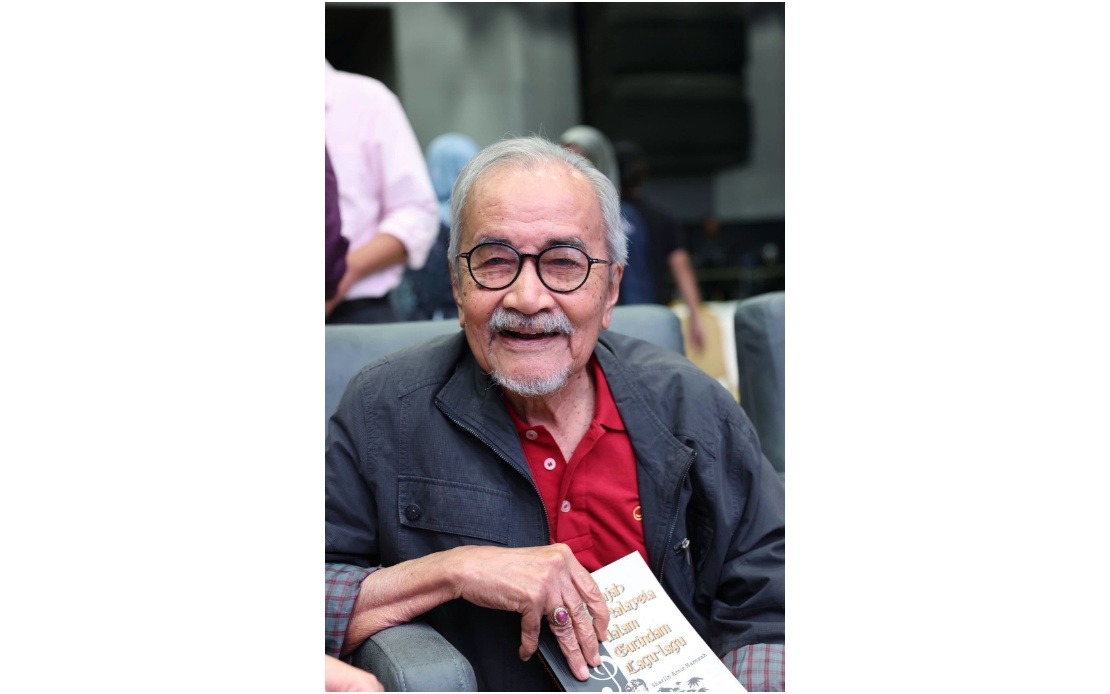
Prime Minister Datuk Seri Anwar Ibrahim has extended warm birthday greetings to Datuk Rahim Razali, the veteran filmmaker and cultural luminary who celebrates his 87th birthday this month. Through a Facebook post released on July 5, Anwar acknowledged Razali's formidable standing in Malaysia's creative sphere, recognising him as a transformative figure whose artistic endeavours have shaped the nation's cultural narrative across multiple generations.
Anwar's tribute positioned Razali as more than simply an entertainer but as a custodian of Malaysian values and identity. The Prime Minister emphasised how Razali's extensive body of work has consistently centred on profoundly human themes, weaving together strands of authentic cultural expression and national pride into narratives that resonate beyond their immediate audience. This characterisation underscores the government's appreciation for artists who employ their craft as a vehicle for exploring the deeper meaning of nationhood and shared heritage.
The PM expressed confidence that Razali's artistic legacy will continue functioning as an inspiration for burgeoning talents in Malaysia's creative industries. By framing the veteran filmmaker's contributions as enduring rather than historically bound, Anwar signalled that the works produced during Razali's prolific career remain relevant and instructive to contemporary and future practitioners of the arts. This sentiment reflects broader governmental interest in linking past cultural achievements with present creative endeavours.
Anwar also extended personal wishes for Razali's continued wellbeing and longevity, praying that the filmmaker would enjoy robust health and sustained vitality to pursue further contributions to Malaysia's artistic and cultural landscape. Such blessings are customary in Malaysian political discourse, particularly when honouring elder figures who have accumulated substantial experience and wisdom within their respective fields.
Razali's professional journey began in Batu Gajah, Perak, where he was born on July 3, 1939. His entry into the creative industries coincided with a transformative period in Malaysian cultural development, positioning him as a witness to and participant in the nation's artistic evolution. Over six decades of continuous engagement with the entertainment sector, Razali has established himself as a versatile creative operator, moving fluidly between acting, directorial work, scriptwriting, and even sports journalism.
The filmmaker's directorial credits encompass numerous productions that have achieved iconic status within Malaysian cinema. His performances as an actor have similarly left indelible marks on audiences, with his portrayal in Matinya Seorang Patriot demonstrating his capacity to embody complex characters dealing with profound moral and political themes. This dual mastery of performance and direction illustrates the depth of his creative vision and technical expertise.
Razali's contributions to Malaysian filmmaking have not gone unrecognised within the industry itself. The Malaysian Film Festival has honoured him with multiple awards, including accolades for Best Director and Best Male Actor. These institutional recognitions validate his artistic significance and underscore the high regard in which he is held by peers and industry bodies. For Malaysian cinema, which has historically struggled for international recognition despite producing compelling work, figures like Razali represent the calibre of talent the national film industry has consistently produced.
Beyond cinema, Razali's involvement in sports journalism and broadcasting demonstrates his ability to engage audiences across diverse media formats. This multimedia presence has allowed him to reach populations that may not necessarily frequent cinemas, thereby amplifying his cultural influence. His work in these ancillary fields suggests an artist deeply committed to reaching and connecting with Malaysian society in multiple registers.
The timing of Anwar's public recognition carries implicit political significance. By explicitly honouring cultural figures of Razali's stature, the Prime Minister positions his administration as genuinely invested in the preservation and advancement of Malaysian arts and heritage. Such gestures, particularly from the highest levels of government, can influence broader societal attitudes towards artistic endeavour and may signal potential policy priorities regarding cultural funding and support.
Razali's career also illuminates the trajectory of Malaysian creative industries across the latter twentieth century into the contemporary era. Having worked continuously since the 1960s, he has adapted to changing technologies, audience preferences, and production methodologies while maintaining artistic integrity. This longevity itself constitutes a valuable lesson for younger creators navigating an increasingly complex media landscape.
The recognition extended to Razali by Malaysia's highest political office reflects a deeper truth about the nation's relationship with its cultural heritage. In an era of rapid technological change and globalisation, established artists who have maintained commitment to distinctly Malaysian narratives and values assume heightened importance. They serve as anchors to cultural continuity even as the methods and platforms for artistic expression evolve substantially.
For the Malaysian creative community, Anwar's tribute functions as an acknowledgement that decades of dedicated artistic labour contribute meaningfully to national development and cohesion. As Malaysia continues developing its cultural industries as a potential economic and soft power asset, honouring foundational figures like Razali sends encouraging signals to younger generations considering careers in the arts. His example demonstrates that sustained commitment to one's craft can yield both personal fulfilment and genuine cultural impact.
Razali's ongoing influence extends beyond his completed works into how he continues inspiring contemporary practitioners. Many current filmmakers, actors, and cultural workers have studied his techniques, drawn lessons from his career choices, and incorporated elements of his artistic philosophy into their own practice. In this manner, his birthday becomes an occasion not merely for celebration of the past but for reaffirming the living relevance of his contributions to Malaysian culture.

