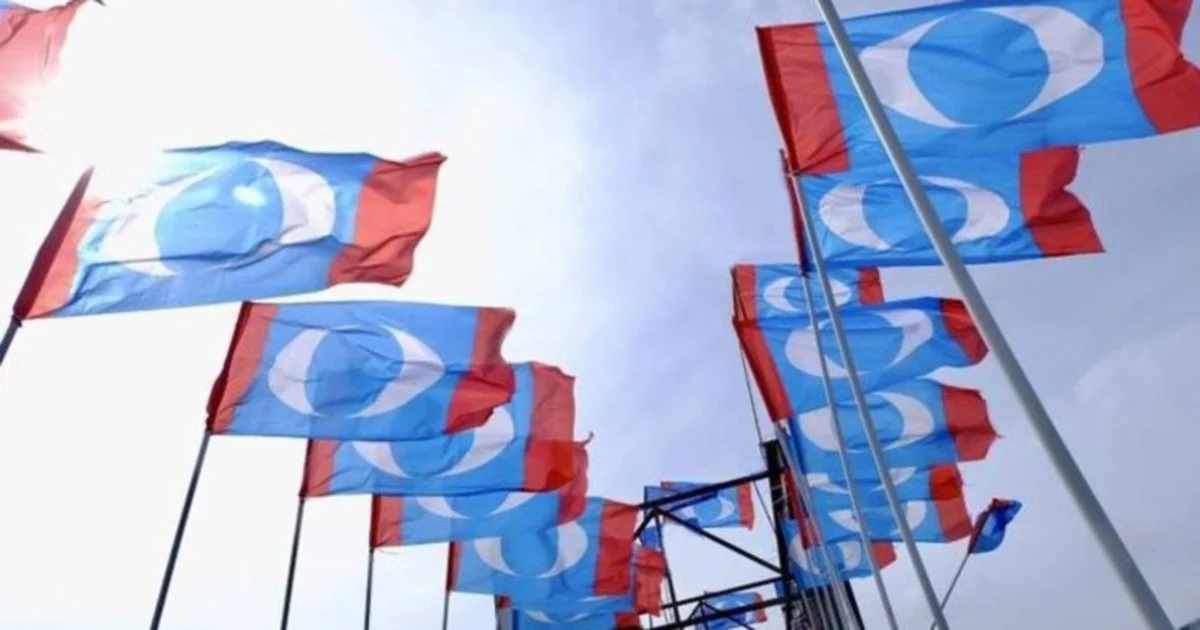
PKR has substantially completed its candidate selections for the Johor and Negri Sembilan state elections, bringing the party closer to full campaign readiness as polling day approaches. Datuk Dr Fuziah Salleh, the party's secretary-general, confirmed from Johor Baru that the candidate list has reached 99 per cent completion, signalling that only minor adjustments remain before the roster is formally locked in.
The near-final lineup represents a critical milestone in PKR's election preparation strategy across two states simultaneously. Finalising candidates well in advance of nomination day provides crucial lead time for grassroots organisations to mobilise volunteers and supporters at the constituency level, allowing each nominated representative to build momentum in their targeted seats.
Johor and Negri Sembilan carry substantial political weight within Malaysia's electoral landscape. Johor, in particular, stands as one of the nation's largest states by population and parliamentary representation, making PKR's presence there strategically vital for the coalition's broader national positioning. Similarly, Negri Sembilan's swing nature in recent electoral cycles means that performance in these constituencies will influence broader perceptions of the Pakatan Harapan alliance's competitiveness.
The timing of candidate finalisation assumes additional significance given the competitive environment in both states. Both regions have historically demonstrated volatility in support patterns, with various coalitions gaining ground in different periods. Early announcement of PKR's full slate permits the party to establish clear narratives around individual candidates and their community connections before opposition groups mount counteroffensives.
Candidate selection processes within Malaysian political parties typically involve balancing multiple considerations simultaneously. Internal party democracy, representation of diverse communities, demographic considerations, and demonstrated grassroots support all factor into final decisions. For PKR specifically, factional dynamics within the party and coordination with other Pakatan Harapan partners like DAP and Amanah complicate the selection matrix, as seat allocations often reflect negotiated arrangements between coalition members.
The completion of candidate lists at this advanced stage also facilitates financial and logistical planning for campaign operations. State elections require substantial resource mobilisation across multiple constituencies, and confirmed candidate information enables parties to deploy training programmes, campaign materials, and volunteer coordination systems with precision.
Fuziah's announcement indicates that PKR intends to field competitive, carefully vetted representatives across both states. The party's approach to candidate selection has evolved in recent years, increasingly emphasising demonstrated community engagement and policy expertise rather than seniority alone. This strategic shift reflects broader changes within Malaysian politics, where voters increasingly scrutinise individual candidate credentials and track records.
The remaining one per cent of finalisation likely addresses exceptional cases or marginal adjustments emerging from ongoing consultations with component coalition partners. In multi-party alliances like Pakatan Harapan, last-minute refinements sometimes occur to ensure optimal strategic alignment across constituencies, particularly where local dynamics suggest modified tactical approaches.
For Malaysian voters across Johor and Negri Sembilan, the confirmation of PKR's candidate list enables more informed assessment of electoral options. With the opposition's representation now substantially crystallised, voters can evaluate specific individuals and their policy positions, moving campaign discourse beyond generalities toward substantive engagement with candidates' platforms and backgrounds.
The nearness of this completion milestone suggests that nomination day processes will proceed smoothly for PKR, barring any unforeseen complications. This administrative efficiency reflects institutional strengthening within the party over recent years, as it has adapted to managing significant electoral challenges across multiple jurisdictions simultaneously.
Looking forward, full publication of the candidate list will activate campaign machineries at the community level, with nominated representatives commencing intensive outreach to familiarise themselves with local constituencies and articulate their proposals. The quality and public reception of these candidates will substantially influence overall election outcomes across both states, making this completion point a transition from preparatory work toward the intensive campaign phase that determines voter behaviour.

%22%2F%3E%3C%2Fpattern%3E%3C%2Fdefs%3E%3Crect%20width%3D%22100%25%22%20height%3D%22100%25%22%20fill%3D%22url(%23ph2hy9vg)%22%2F%3E%3Crect%20width%3D%22100%25%22%20height%3D%22100%25%22%20fill%3D%22url(%23ph2hy9vp)%22%2F%3E%3Ctext%20x%3D%2250%25%22%20y%3D%2250%25%22%20text-anchor%3D%22middle%22%20dominant-baseline%3D%22central%22%20fill%3D%22rgba(255%2C255%2C255%2C0.95)%22%20font-family%3D%22Georgia%2C%20'Times%20New%20Roman'%2C%20serif%22%20font-weight%3D%22700%22%20font-size%3D%22272%22%20letter-spacing%3D%22-0.02em%22%3EAnwar%3C%2Ftext%3E%3C%2Fsvg%3E)