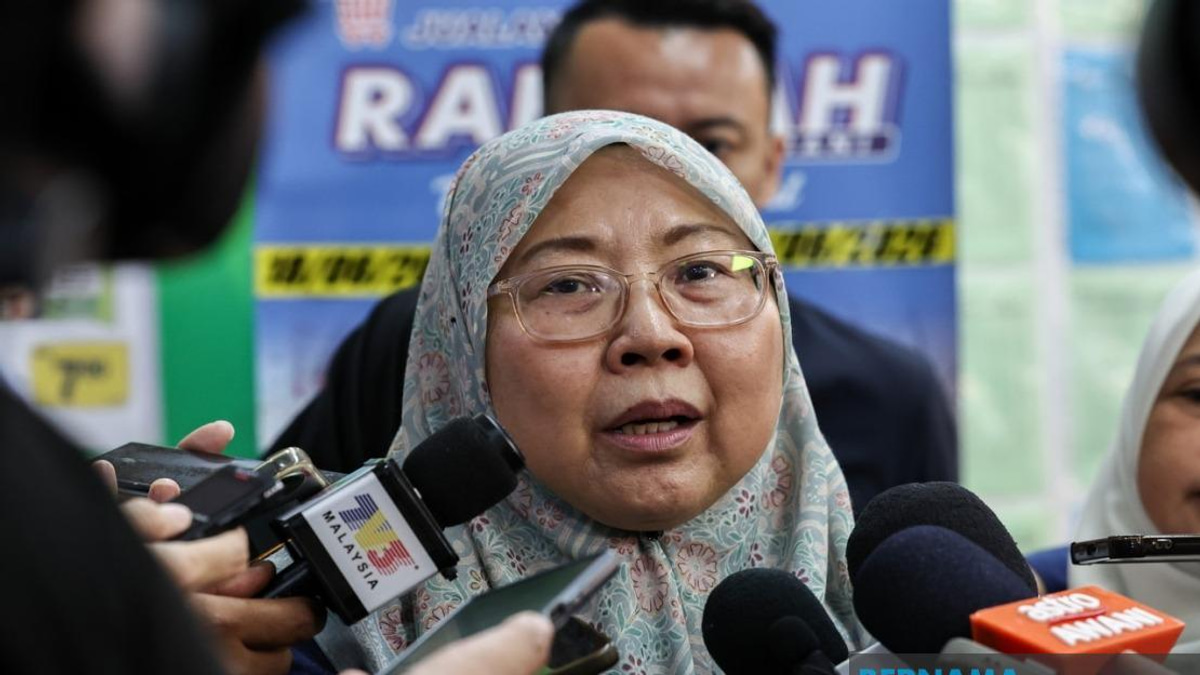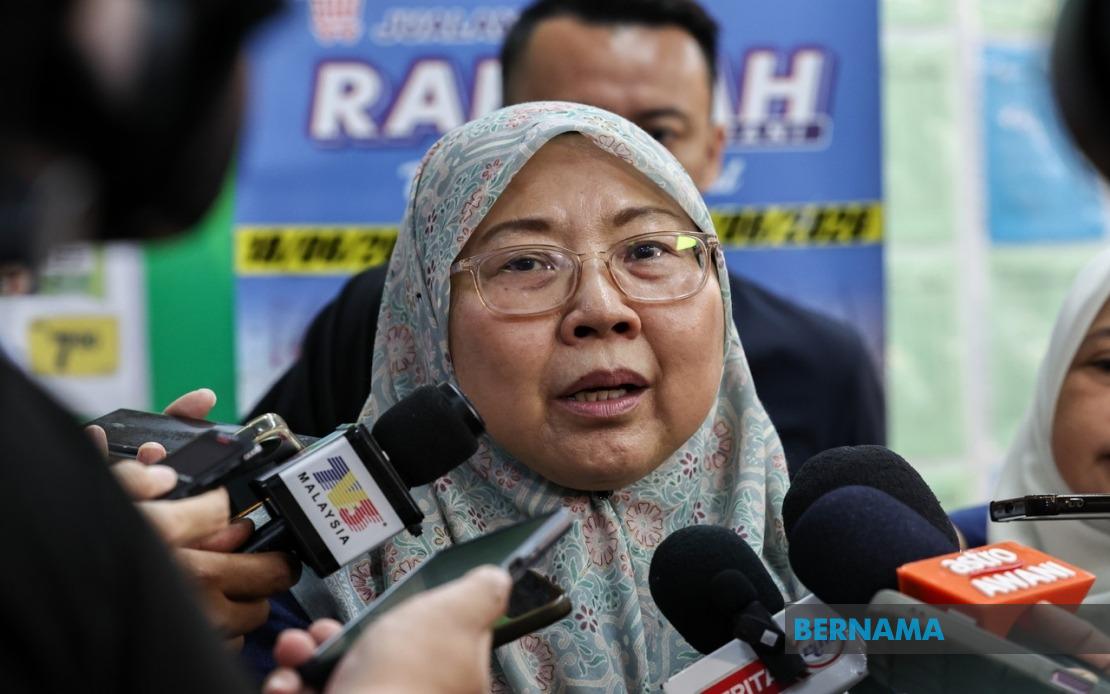
PKR's candidate rosters for the forthcoming state elections in Johor and Negeri Sembilan are substantially locked in, according to party secretary-general Datuk Dr Fuziah Salleh, with formal unveiling anticipated within days. The party will contest 20 constituencies across Johor and 16 in Negeri Sembilan as it seeks to bolster its representation in both legislatures ahead of what are shaping up to be closely contested polls in these pivotal states.
The announcement represents a significant milestone in PKR's election preparations and comes as Malaysia's political landscape remains fluid following recent government realignments. Johor's state assembly has become particularly important in national politics given the state's size and population, while Negeri Sembilan holds strategic value as a bellwether state that often reflects broader electoral trends affecting the Klang Valley and Selangor regions. Both elections will test the resilience of the Pakatan Harapan coalition and its ability to maintain or expand its footprint in key heartland territories.
When presenting its candidate slate, PKR is emphasising continuity balanced with renewal. The party intends to blend established political operatives with emerging voices, deliberately incorporating women candidates and younger politicians into prominent positions. This generational and gender-balanced approach reflects broader pressure within Malaysian political coalitions to demonstrate inclusivity and modernisation, particularly as voter demographics shift and younger Malaysians demand representation that mirrors their composition in the electorate. The precise percentage of newcomers versus sitting representatives will only become apparent at the official announcement, though preliminary signals suggest a meaningful infusion of fresh talent rather than a wholesale overhaul.
One immediate complication threatens to overshadow PKR's candidate announcements: a territorial dispute with coalition partner Amanah over the Puteri Wangsa constituency in Johor. Amanah has contested PKR's claim to the seat, arguing that the party should retain it following a temporary arrangement whereby it was loaned to MUDA during the 2022 state election. Johor Amanah vice chairman Dr Zuhan Zain has publicly objected to surrendering the constituency, creating potential friction within Pakatan Harapan just as the coalition seeks to project unity heading into the campaign period. Rather than attempting to mediate at her level, Fuziah deferred the matter to top-tier party leadership, suggesting the dispute reflects deeper structural tensions about seat allocation within coalition arrangements that may take weeks to resolve definitively.
These territorial negotiations underscore broader challenges facing Pakatan Harapan. Component parties must balance their individual electoral ambitions against the coalition's collective success, and disagreements over candidate placement often mask underlying concerns about power-sharing arrangements and future government positions. For voters in contested constituencies like Puteri Wangsa, such delays create uncertainty about which coalition representative they will actually encounter during the campaign, potentially dampening campaign momentum and confusing local activist networks trying to mobilise support.
Parallel to candidate finalisation, PKR is simultaneously addressing an internal disciplinary matter involving Subang MP Wong Chen, who publicly challenged the party to expel him following a formal investigation. Fuziah indicated that Wong Chen's case has been transferred to PKR's Disciplinary Board for further proceedings, suggesting the party is moving methodically through internal processes rather than rushing toward a predetermined outcome. The Wong Chen situation reflects simmering tensions within PKR between different ideological camps and questions about party cohesion as the organisation navigates the transition from Anwar Ibrahim's era as party president toward newer leadership structures and decision-making processes.
Johor's electoral calendar looms immediately. The Election Commission has scheduled nomination day for June 27, with polling set for July 11 following the state assembly's dissolution on June 1. The state legislature comprises 56 seats, a substantial chamber where Barisan Nasional currently dominates with 40 seats compared to Pakatan Harapan's 12, Perikatan Nasional's three, and MUDA's single representative. These numbers suggest PKR and its coalition partners face an uphill contest to capture state government control, though recent shifts in voter sentiment and strategic repositioning within Malaysian politics means nothing remains fully predetermined. Barisan's commanding majority provides significant structural advantages, though opposition momentum in recent by-elections and local contests indicates competitive race dynamics in many constituencies.
Negeri Sembilan presents a somewhat different political arithmetic. The state assembly holds 36 seats, and before dissolution on June 5, Pakatan Harapan controlled 17 while Barisan Nasional held 14 and Perikatan Nasional managed five. This more balanced distribution suggests a genuinely competitive state-level contest where seat allocation, campaign effectiveness, and voter turnout could determine outcomes across multiple constituencies. The election timeline for Negeri Sembilan extends further into the future, with nomination day scheduled for July 18 and polling day set for August 1. Early voting occurs on July 28, allowing a longer campaign period compared to Johor's compressed schedule.
These elections carry implications extending beyond their respective states. Johor and Negeri Sembilan results will signal whether Pakatan Harapan can consolidate support following its 2022 federal election victory, or whether voters are gravitating back toward Barisan Nasional and its historical claims on these states. The contests will also test whether Perikatan Nasional can expand its footprint in Peninsular Malaysia beyond its existing strongholds. For Malaysian financial markets, political outcomes in these states may influence investor confidence in governance continuity and economic policy direction, while for regional observers across Southeast Asia, the elections provide indicators about stability within Malaysia's federal system and the durability of recent political coalitions.
PKR's candidate finalisation process demonstrates the intricate choreography required to coordinate multi-party coalitions during election periods. Beyond simple name announcements, these exercises involve negotiating territorial claims between allies, balancing factional interests within parent parties, and attempting to project an image of unity and purpose to voters. How effectively PKR manages these concurrent challenges—finalising candidates, resolving seat disputes, and addressing internal discipline—will substantially influence both the coalition's campaign effectiveness and voter perceptions about whether Pakatan Harapan genuinely functions as a coherent governing alternative or remains merely a tactical alliance of convenience among parties with divergent long-term objectives.