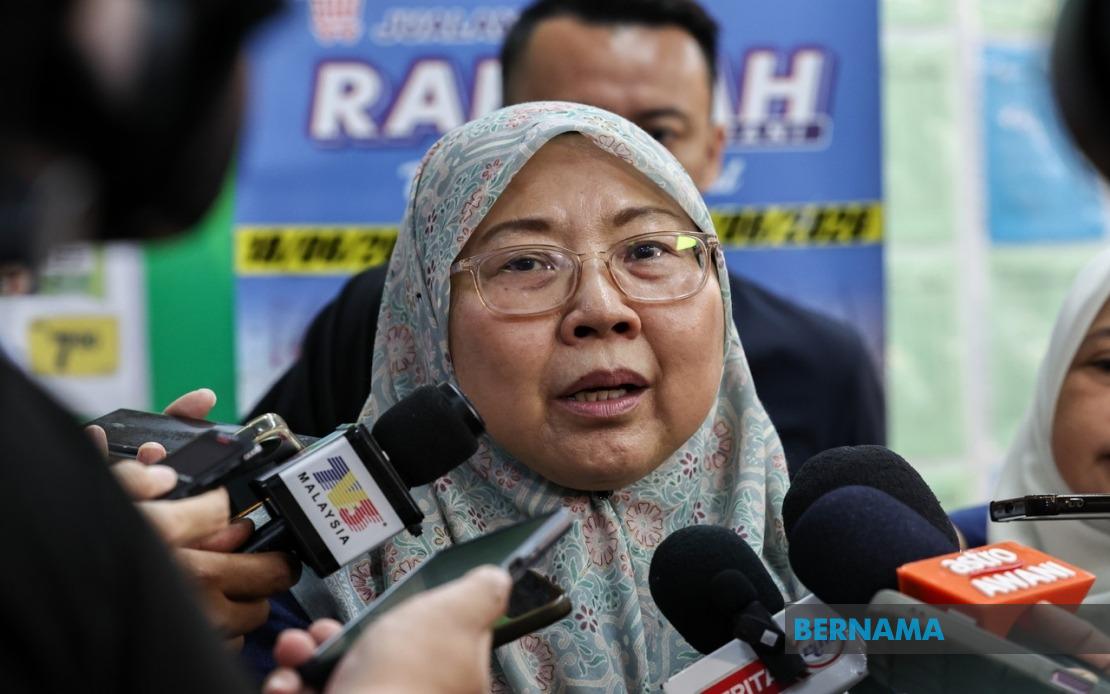
Malaysia's Ministry of Domestic Trade and Cost of Living (KPDN) has moved to reassure consumers that essential goods will remain in adequate supply across Johor and Negeri Sembilan during the upcoming state elections, even as global logistics expenses continue climbing due to geopolitical tensions in West Asia. Deputy Minister Datuk Dr Fuziah Salleh outlined a comprehensive strategy designed to maintain stable supply chains and prevent the disruptions that typically accompany electoral activities and the influx of visitors to polling states.
The timing of this assurance reflects genuine concerns about supply chain vulnerability. When elections occur, demand typically surges as election officials, campaign workers, and out-of-state visitors converge on polling areas, placing sudden pressure on retail networks. International shipping costs have become increasingly volatile, with conflicts affecting maritime routes adding uncertainty to the pricing and availability of imported goods. The ministry's proactive stance indicates a recognition that passive management would be insufficient during this period of elevated demand and elevated global uncertainty.
Among the most significant initiatives is a restructured distribution model for subsidised cooking oil, which has proven one of Malaysia's most sensitive supply categories. Rather than channelling product through traditional wholesale intermediaries, the new system delivers oil directly from repackers to retail points of sale. This streamlining reduces handling stages and potential bottlenecks, whilst simultaneously tightening oversight of the supply chain. The approach represents a notable operational shift that prioritises efficiency and transparency over conventional wholesale relationships.
Johor's monthly cooking oil allocation stands at approximately 3,000 metric tonnes, processed and packaged by 18 authorised repackers and distributed to 95 designated retail outlets. This network includes major supermarket chains such as Econsave, strategically positioned across the state's municipalities. An inspection visit to Econsave Taman Daya confirmed current inventory levels remain healthy, with approximately 100 cartons of subsidised cooking oil flowing daily to consumers. This granular stock monitoring reflects the ministry's commitment to identifying and addressing potential shortages before they materialise.
Preventing misuse of subsidised goods through leakage into unintended channels represents another critical component of the supply strategy. Point-of-sale checkpoints now employ stringent verification procedures, requiring customers to scan a dedicated government app or present their MyKad identity card before purchasing subsidised items. These authentication measures ensure that price-controlled goods reach only eligible Malaysian citizens, discouraging resale to unregistered buyers or diversion to parallel markets. Such controls have become increasingly necessary as subsidy programmes have expanded.
The broader Rahmah MADANI Sales Programme (PJRM) demonstrates the government's wider effort to address cost-of-living pressures across multiple categories of essential goods. From January through mid-June 2026, the nationwide initiative recorded 13,692 separate retail events. Within Johor specifically, organisers conducted 920 such sessions, reaching across all 56 state constituencies and attracting 2.3 million visits that generated in excess of 1.46 million individual transactions. These figures underscore the programme's scale and the evident public appetite for price-controlled purchasing opportunities.
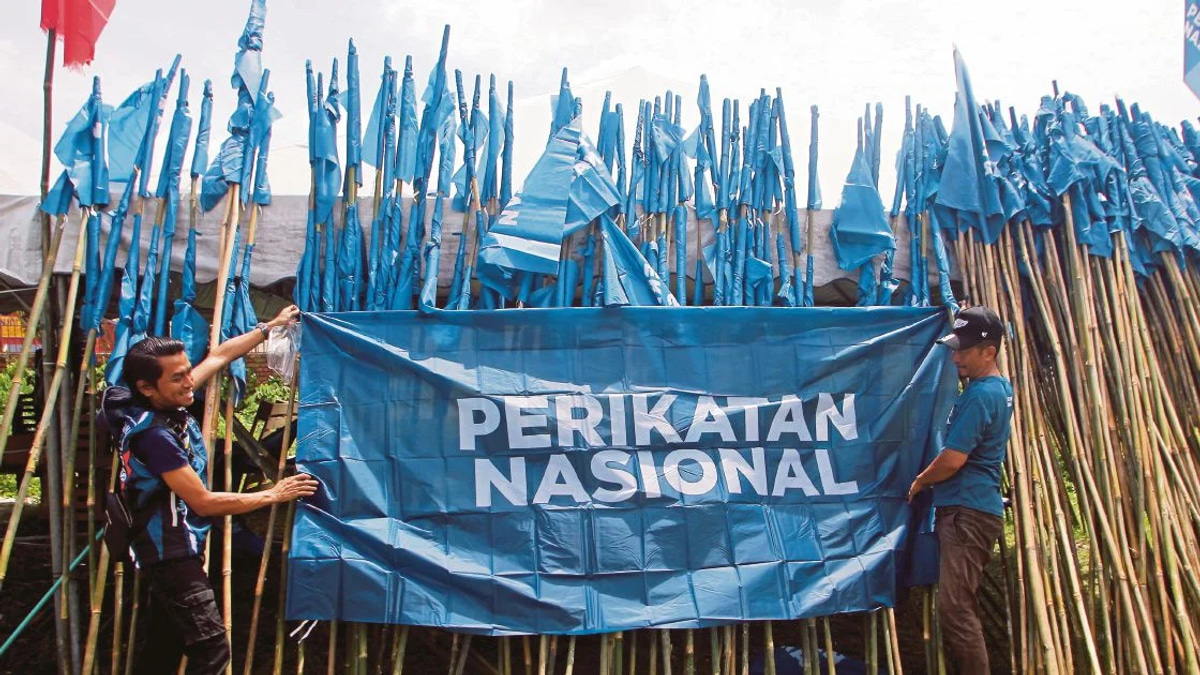
The electoral timeline itself influences supply strategy. Johor's state election polling has been scheduled for July 11, preceded by early voting on July 7, with candidate nominations commencing on June 27. This compressed schedule creates a discrete window during which demand may spike and logistics coordination must remain flawless. The ministry's public assurances suggest confidence in operational readiness, though the commitment to maintain stable supplies reflects awareness that electoral credibility can be undermined by consumer frustration over empty shelves.
From a regional perspective, Malaysia's experience managing subsidised goods during electoral periods offers lessons for other Southeast Asian nations balancing fiscal constraints with social safety nets. The direct distribution model and digital verification systems represent relatively modern approaches that other governments might examine. The intersection of supply chain globalisation with domestic political cycles creates ongoing tensions that Malaysian policymakers have attempted to address through systematic intervention and monitoring rather than purely market-driven allocation.
For consumers and retailers in Johor and Negeri Sembilan, the ministry's pledge provides reassurance that electoral activities need not create unnecessary scarcity. The emphasis on direct repackager-to-retail distribution and real-time stock verification suggests that the period around elections will not replicate the shortages that occasionally plague price-controlled commodities during periods of inadequate oversight. However, the scale of the commitment—maintaining 3,000 tonnes monthly of cooking oil alone across 95 outlets—requires sustained coordination across multiple government agencies and private sector partners.
The broader context of global logistics disruption adds weight to the ministry's preparatory measures. Shipping route instability and elevated insurance costs for vessels transiting affected regions mean that Malaysia cannot assume smooth international supply flows. By emphasising domestic reprocessing capacity and direct retail pathways, KPDN has reduced dependence on complex international supply chains that might falter during periods of geopolitical stress. This resilience-building approach extends beyond the immediate electoral period and suggests longer-term strategic thinking about supply chain robustness.
Ultimately, the ministry's public commitment to adequate essential goods supplies during Johor's state elections reflects both operational confidence and political necessity. Voters' memories of shortages during previous electoral cycles remain vivid, and consumer frustration over unavailable subsidised goods could significantly impact electoral sentiment. By announcing concrete measures—specific tonnage quotas, outlet numbers, real-time verification systems—KPDN has established measurable benchmarks against which performance can be evaluated. The ministry's credibility will depend upon delivering against these publicly stated commitments when polling day arrives.