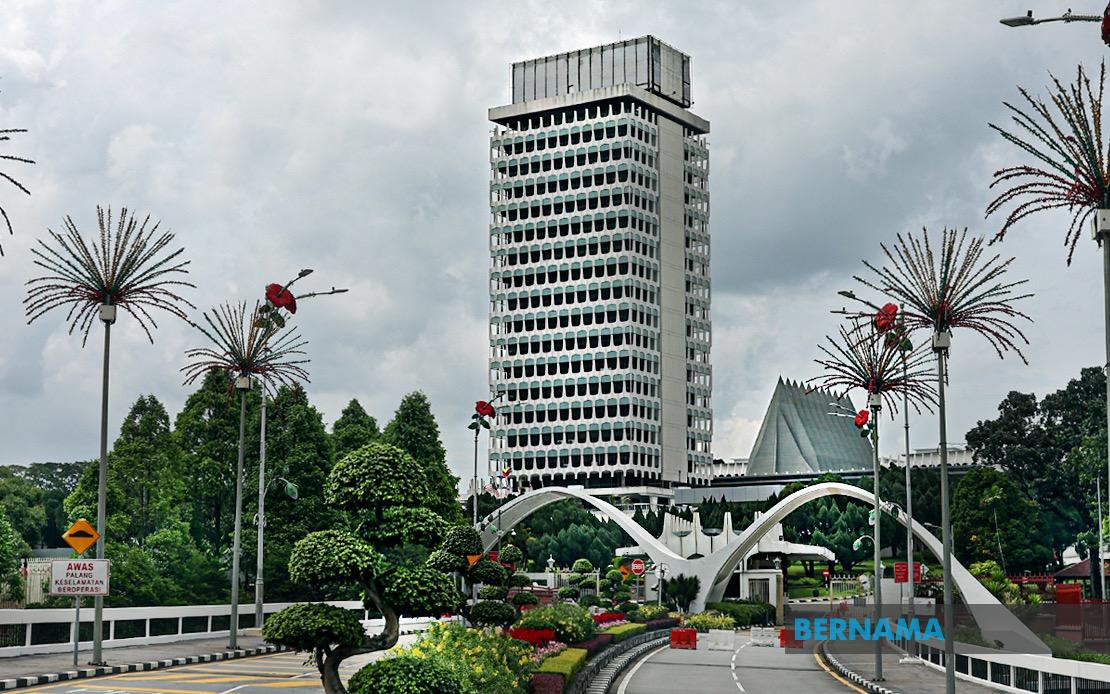
Malaysia's Parliament opens its 15th session today with pressing economic and legislative concerns dominating the agenda, signalling heightened government scrutiny of regional geopolitical risks and their domestic consequences. Lawmakers plan to grill senior ministers about the ripple effects of supply chain disruptions emanating from the strategically crucial Strait of Hormuz, where shipping tensions have increasingly threatened global commerce and, by extension, Malaysian manufacturing and import-dependent sectors.
Datuk Dr Richard Rapu @ Aman anak Begri, representing the GPS-Betong constituency, will question the Economy Minister about the latest data on how Strait of Hormuz instability is pressuring local industrial competitiveness through elevated operating costs. His inquiry extends to second-quarter 2026 inflation figures, reflecting parliamentary concern that external shocks are translating into consumer price burdens on ordinary Malaysians. The Strait, through which roughly one-third of seaborne traded oil passes, has become a flashpoint in recent years, and Malaysia's position as a maritime trading hub means even temporary disruptions cascade through supply networks and push up procurement expenses across sectors from petrochemicals to consumer goods.
Beyond immediate inflation worries, Dr Rapu will also press for details on contingency frameworks embedded within the 13th Malaysia Plan to safeguard Gross Domestic Product expansion targets should global economic contraction accelerate. This line of questioning underscores official anxiety that external downturns could unravel domestic growth plans. The government's ability to articulate credible countermeasures—whether through stimulus, sectoral support, or supply chain diversification—will be closely watched by investors and economists assessing Malaysia's economic resilience.
Haj management represents another focal point for parliamentary debate. Onn Abu Bakar, MP for Batu Pahat, will ask the Prime Minister about 2027 arrangements, specifically targeting cost control, reduction of pilgrimage waiting periods, and comprehensive health and welfare protections for Malaysian pilgrims. The haj sector carries significant religious, social, and political weight in Malaysia, and any perception of mismanagement—whether in cost escalation, lengthy delays, or inadequate medical oversight—resonates powerfully across the electorate. This inquiry suggests the government is seeking to demonstrate proactive governance in an area touching millions of Malaysian Muslim families.
Artificial intelligence governance emerges as a cutting-edge policy concern. Wong Shu Qi from Kluang will interrogate the Digital Minister on whether the forthcoming AI Governance Bill explicitly criminalises deepfake fabrication targeting child exploitation, identity spoofing, and non-consensual distribution of explicit content. The question highlights how rapid AI advancement is outpacing regulatory frameworks, and Malaysia—like many Southeast Asian nations—must balance innovation incentives against protection from AI-enabled harms. The specificity of Wong's query reveals Parliament's awareness that technology crimes are evolving faster than traditional cybercrime legislation can address.
Food security concerns tied to Middle East tensions also feature prominently. Datuk Dr Radzi Jidin will seek clarity from the Agriculture and Food Security Minister on short-, medium-, and long-term measures to mitigate the impact of ongoing Middle East conflict on Malaysia's food supply chains and self-sufficiency. Given Malaysia's reliance on imports for key staples, any disruption to regional supply networks poses genuine challenges to domestic food stability and price control. The government's detailed roadmap on agricultural diversification, local production incentives, and strategic reserves will be under scrutiny.
The legislative agenda includes the Cybercrime Bill 2026, which arrives as digital offences proliferate across Malaysia and the region. Online fraud, data breaches, ransomware attacks, and cyber extortion have become endemic, and the updated legislation is designed to strengthen prosecutorial tools and penalties. The bill's passage signals governmental commitment to hardening Malaysia's digital defences, an essential step given the country's expanding digital economy and the escalating sophistication of cybercriminals operating across borders.
Also tabled is the Road Transport Act amendment to the 1987 statute, a perennial subject of traffic safety and vehicle regulation reform. While less dramatic than economic or security matters, amendments to road transport legislation carry practical implications for Malaysia's automotive sector, commercial logistics, and road safety performance—areas where Southeast Asian nations lag developed economies in fatality rates and compliance standards.
The current parliamentary session extends through July 16, encompassing 16 sitting days. This extended calendar provides space for substantive debate on each topic, though the breadth of agenda items—from geopolitics to haj administration to digital governance—reflects the complexity facing modern Malaysian governance. The convergence of these issues underscores how external shocks, technological disruption, and regional instability increasingly demand coordinated government responses spanning economic, religious, technological, and infrastructural domains. Parliamentary scrutiny during these sittings will reveal how prepared the cabinet is to navigate these intersecting challenges.
%22%2F%3E%3C%2Fpattern%3E%3C%2Fdefs%3E%3Crect%20width%3D%22100%25%22%20height%3D%22100%25%22%20fill%3D%22url(%23ph1u89ng)%22%2F%3E%3Crect%20width%3D%22100%25%22%20height%3D%22100%25%22%20fill%3D%22url(%23ph1u89np)%22%2F%3E%3Ctext%20x%3D%2250%25%22%20y%3D%2250%25%22%20text-anchor%3D%22middle%22%20dominant-baseline%3D%22central%22%20fill%3D%22rgba(255%2C255%2C255%2C0.95)%22%20font-family%3D%22Georgia%2C%20'Times%20New%20Roman'%2C%20serif%22%20font-weight%3D%22700%22%20font-size%3D%22136%22%20letter-spacing%3D%22-0.02em%22%3EParliament%3C%2Ftext%3E%3C%2Fsvg%3E)