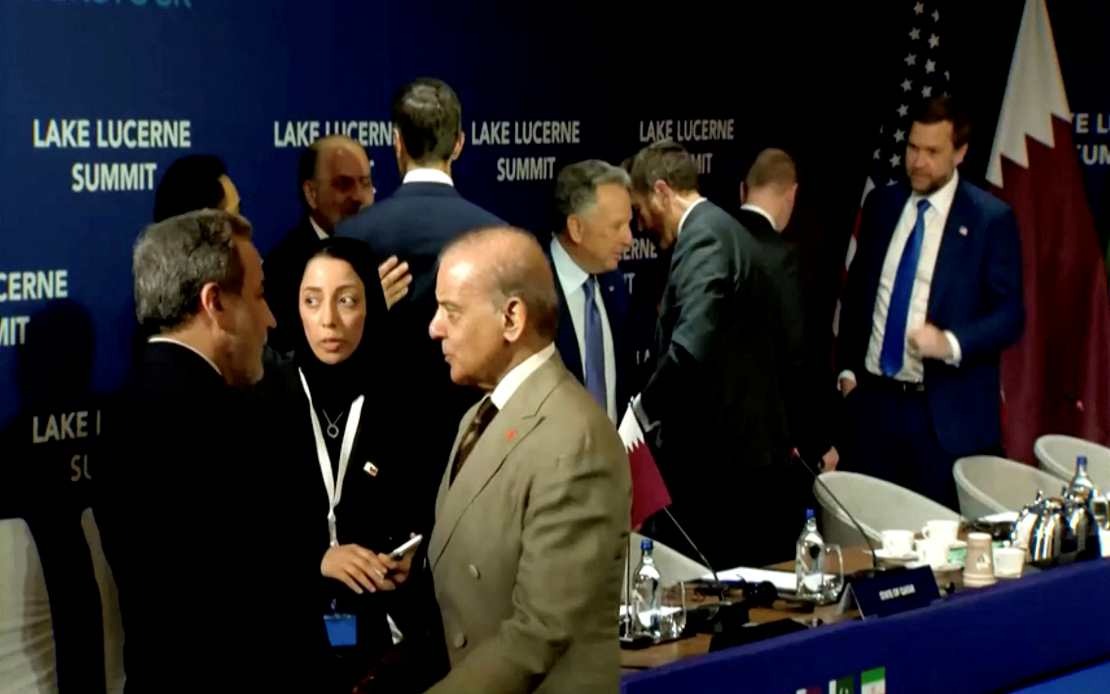
Representatives from Iran announced on Sunday that months of diplomatic efforts have culminated in a finalized draft agreement addressing the temporary removal of sanctions targeting Iran's oil sector. The agreement emerged from negotiations held in Switzerland and represents a significant development in the broader framework of resolving tensions between Tehran and Washington, signalling meaningful progress on one of the most contentious economic issues dividing the two nations.
Hossein Ghorbanzadeh, a senior member of Iran's delegation, disclosed that the draft specifically addresses the temporary easing of sanctions imposed on Iranian oil exports. However, he emphasized that the agreement would remain conditional, noting that broader provisions within the Islamabad Memorandum of Understanding would not take legal effect unless a final comprehensive settlement is achieved to end the conflict in Lebanon. This stipulation underscores the interconnected nature of regional disputes and suggests that Tehran views the Lebanese situation as integral to any lasting normalization with Washington.
The negotiations in Switzerland involved more than the headline discussions, according to Ghorbanzadeh's account. Technical delegations held separate meetings to address specific implementation details and procedural mechanisms necessary to operationalize sanctions relief. The successful completion of these technical talks laid the groundwork for finalizing the oil-focused draft, indicating that both sides had moved beyond broad principles toward concrete arrangements.
During the same negotiations in Switzerland, Iranian officials also raised the question of frozen Iranian assets with representatives from Qatar. The release of these frozen funds has long been a priority for Tehran, as economic sanctions have resulted in significant portions of Iranian financial reserves being held in foreign accounts. The inclusion of this issue alongside oil sanctions relief suggests a comprehensive approach to economic reintegration, addressing multiple dimensions of the financial embargo imposed on Iran.
The overarching diplomatic framework governing these negotiations is the Islamabad Memorandum of Understanding, which both Tehran and Washington announced on June 14 after weeks of intensive talks facilitated by Pakistan. The memorandum represents an ambitious attempt to establish the foundations for a permanent cessation of hostilities and the resolution of outstanding disputes through structured dialogue rather than military confrontation. Pakistan's role as mediator reflects the country's strategic position in South Asian geopolitics and its historical ties to both nations.
The memorandum was formally activated when Iranian President Masoud Pezeshkian and US President Donald Trump electronically signed the agreement on June 18, bringing it into legal force. This digital signing ceremony, conducted remotely rather than in person, nonetheless constituted an official commitment by both heads of state to the framework's fundamental objectives. The formal activation of the memorandum was followed by the opening of the Switzerland talks on June 22, demonstrating the accelerated pace of diplomatic engagement.
The Islamabad Memorandum encompasses far more than oil sanctions alone. Its provisions address the complete spectrum of military and economic dimensions of the US-Iran conflict. Specifically, the agreement commits both nations to ending hostilities across all geographical fronts, a crucial provision given the various proxy conflicts and direct military tensions that have characterized their relationship. The reopening of the Strait of Hormuz, one of the world's most strategically important waterways, would have profound implications for global energy markets and maritime commerce, given that approximately one-third of global oil exports transit through these waters.
Additionally, the memorandum requires the lifting of the US naval blockade that has effectively isolated Iran from international shipping lanes. This provision carries enormous significance for Iran's ability to export not only oil but also other commodities essential to its economy. The restoration of normal maritime access would signal a fundamental shift in how Washington approaches economic pressure on Tehran and would enable Iranian shipping to resume routes that have been disrupted for years.
For Malaysia and other Southeast Asian nations, the implications of this diplomatic breakthrough extend beyond traditional concerns about oil prices and supply chains. The normalization of US-Iran relations could reshape geopolitical alignments throughout Asia and the Middle East, potentially affecting security arrangements, trade relationships, and the delicate balance of power that many regional states have carefully maintained. Malaysia, as a major trading nation and member of ASEAN, has economic interests in both stability in the Middle East and the preservation of open shipping lanes that are essential to regional commerce.
The temporary nature of the oil sanctions relief emphasized by Ghorbanzadeh indicates that the framework remains contingent on progress in other areas, particularly regarding Lebanon. This conditionality suggests that negotiators are building in mechanisms to ensure comprehensive compliance rather than allowing individual components to proceed independently. The strategy reflects lessons learned from previous agreements where partial implementation led to disputes over whether overall objectives were being met.
The successful completion of this draft on oil sanctions represents a victory for multilateral diplomacy after years of escalating tensions and military posturing. The involvement of Qatar as a mediator for discussions on frozen assets demonstrates the roles that Gulf states are playing in facilitating communication between adversaries. Such mediation efforts highlight how middle-power diplomacy can fill crucial gaps when bilateral negotiations face obstacles.
Moving forward, the critical challenge will be translating this draft into a signed agreement and ensuring that both parties comply with its terms. The contingency on resolving the Lebanon conflict means that successful implementation depends on progress in other negotiations, creating a complex web of interdependencies. For observers in Southeast Asia, the outcome of these negotiations will be instructive regarding the possibilities for diplomatic resolution of geopolitical disputes in an increasingly multipolar world.
%22%2F%3E%3C%2Fpattern%3E%3C%2Fdefs%3E%3Crect%20width%3D%22100%25%22%20height%3D%22100%25%22%20fill%3D%22url(%23ph168ptg)%22%2F%3E%3Crect%20width%3D%22100%25%22%20height%3D%22100%25%22%20fill%3D%22url(%23ph168ptp)%22%2F%3E%3Ctext%20x%3D%2250%25%22%20y%3D%2250%25%22%20text-anchor%3D%22middle%22%20dominant-baseline%3D%22central%22%20fill%3D%22rgba(255%2C255%2C255%2C0.95)%22%20font-family%3D%22Georgia%2C%20'Times%20New%20Roman'%2C%20serif%22%20font-weight%3D%22700%22%20font-size%3D%22320%22%20letter-spacing%3D%22-0.02em%22%3EMuda%3C%2Ftext%3E%3C%2Fsvg%3E)