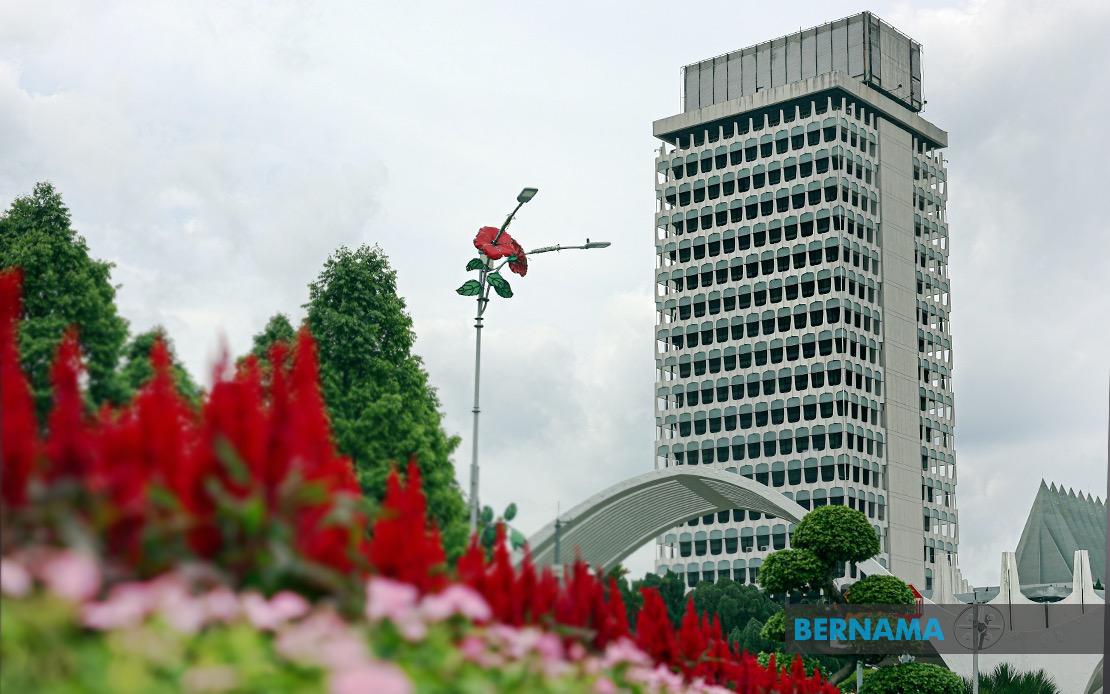
Lawmakers from across Malaysia's political spectrum converged in Parliament on August 11 to demand rapid reform of the Tabung Haji Act 1995, seeking to shield the nation's Islamic pilgrimage fund from political manipulation and governance failures that have plagued it in recent years. The special sitting focused on implementing recommendations from a Royal Commission of Inquiry that exposed significant institutional weaknesses between 2014 and 2020, establishing a rare moment of parliamentary consensus around structural change at one of Malaysia's most sensitive financial institutions.
The central concern driving this legislative push centres on Section 10 of the existing Act, which grants the Minister sweeping powers to issue general directions to Tabung Haji. Datuk Shahelmey Yahya from Putatan articulated the core problem that legislators face: concentrating such authority in ministerial hands has directly contributed to the organisation's failures and compromised its financial standing. The correlation between political oversight and institutional decline became a recurring theme throughout the debate, with multiple speakers emphasising that excellence cannot flourish when political considerations interfere with decision-making processes meant to serve depositors' interests.
The governance architecture that lawmakers seek to dismantle reflects a broader pattern in Malaysian public institutions where ministerial influence shapes appointments and strategy in ways that prioritise political loyalty over professional competence. Shahelmey's proposal to eliminate the Minister's directive powers represents not merely a technical adjustment but a fundamental philosophical shift toward institutional independence. This distinction matters significantly for Malaysian readers, as Tabung Haji holds savings from millions of Malaysians planning to perform the hajj pilgrimage—funds accumulated through decades of disciplined saving by ordinary working-class families whose life aspirations depend on this institution's financial health and integrity.
The appointment mechanism for Tabung Haji's Board of Directors emerged as a second focal point in the parliamentary discussion. Currently, board composition reflects ministerial and political preferences rather than exclusively merit-based selection. Syed Saddiq Syed Abdul Rahman from MUDA advocated for institutionalising appointment procedures that eliminate political considerations entirely, essentially enshrining transparency and professional credentials as non-negotiable prerequisites. This institutional approach would insulate leadership succession from the shifting winds of electoral cycles and ministerial portfolios, creating stability that long-term financial stewardship requires. Young Syefura Othman, Datuk Azman Nasrudin, and other speakers reinforced this theme, recognising that political appointments to financial institutions inevitably compromise their operational independence.
The Royal Commission's investigation, which became public on July 29, documented 25 specific recommendations for remedying institutional weaknesses. As of late July, Tabung Haji had reportedly implemented 75 per cent of these recommendations, yet lawmakers stressed that legislative backing remains essential for cementing improvements beyond administrative implementation. The distinction proves crucial: executive reforms can be reversed or diluted by subsequent administrations, whereas statutory amendments create binding obligations that cannot be circumvented through administrative discretion. Tan Sri Muhyiddin Yassin from Pagoh underscored this necessity, calling for comprehensive implementation that includes not only Act amendments but also strengthened monitoring by Bank Negara Malaysia, effectively distributing accountability across multiple institutional actors.
Tabung Haji's investment strategy and portfolio management surfaced as additional governance concerns warranting legislative attention. Muhyiddin specifically highlighted the necessity of establishing an independent investment committee insulated from political pressure, alongside comprehensive portfolio restructuring that ensures compliance with Syariah principles while pursuing prudent returns. This dual mandate—honouring Islamic financial principles whilst protecting real economic value—distinguishes Tabung Haji from conventional savings institutions and elevates the stakes for governance reform. Investment decisions made under political rather than professional guidance have historically exposed such institutions to reputational damage and financial loss, outcomes that reverberate throughout the Muslim community and undermine confidence in Islamic finance generally.
For Malaysian depositors and the broader Southeast Asian context, these governance debates carry implications extending beyond Tabung Haji itself. The institution functions as a benchmark for how Islamic financial entities should balance religious compliance with fiduciary responsibility, and its failures provide cautionary evidence to critics questioning whether Islamic finance can achieve operational excellence without compromise. Regional Islamic banks and investment vehicles look toward Malaysia's approaches as models or warnings, making Tabung Haji's institutional health a matter of wider significance for Islamic finance credibility throughout Southeast Asia. Mohamad Shafizan Kepli from Batang Lupar articulated this concern directly, emphasising that weak governance cripples not only the institution but ultimately victimises ordinary depositors who sacrificed for years to fulfil their religious obligation.
The confluence of government and opposition voices demanding swift legislative action suggests that party politics has yielded temporarily to institutional reform imperatives. This parliamentary alignment around Tabung Haji reform reflects recognition that certain institutions transcend partisan calculation because their failures impose material hardship on voting populations across all electoral affiliations. Hajj pilgrimage represents a central religious commitment across Malaysia's Muslim majority, meaning that protecting Tabung Haji from political mismanagement carries moral weight beyond typical budgetary concerns. The broad-based support for accelerating amendments indicates that lawmakers recognise constituent pressure on this issue, with depositors increasingly vocal about demanding professional stewardship.
Implementing the parliamentary consensus will require Justice and Legal Affairs Ministry coordination to draft comprehensive amendments addressing not only ministerial powers but also appointment procedures, investment governance, regulatory oversight mechanisms, and conflict-of-interest provisions affecting board members and subsidiary company officials. The legislative calendar will determine whether amendments reach final passage in the current parliamentary term or extend into subsequent sessions, affecting how quickly Tabung Haji can formalise structural changes. The urgency reflected in parliamentary debate suggests that further delays risk eroding public confidence in the institution's commitment to reform, particularly among depositors questioning whether political actors will genuinely relinquish the institutional influence they have historically wielded.
For Malaysia's depositors numbering in the millions, and for policymakers wrestling with how to maintain institutional integrity whilst respecting political accountability frameworks, the Tabung Haji Act amendments represent a critical test case. Success would demonstrate that parliament can undertake fundamental governance reform even in sensitive institutions touching religious and cultural identity, whilst failure would signal that political interests ultimately supersede institutional restructuring. Regional observers watching Malaysia's approach to this particular institutional challenge will assess whether democratic systems can voluntarily constrain ministerial power when institutional evidence demands such restraint, or whether structural reform remains perpetually subordinate to political convenience.

