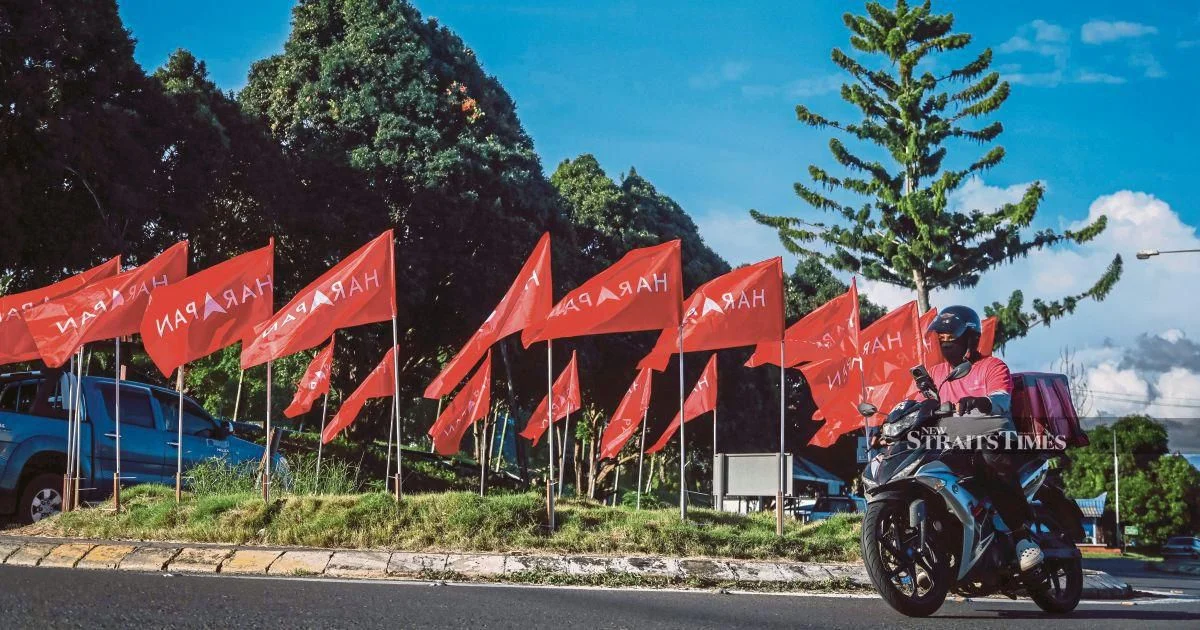
Pakatan Harapan leadership has made clear the coalition will proceed at its own pace in selecting a menteri besar candidate for the upcoming Johor state election, brushing aside what officials characterize as external pressure from opposing political forces to accelerate the process. The coalition's stance reflects a calculated approach to managing internal deliberations and maintaining strategic flexibility in the run-up to what promises to be a keenly contested electoral battle in Malaysia's southern heartland.
The decision to resist calls for an early announcement signals confidence within the PH camp that the coalition possesses sufficient organizational strength and grassroots support to compete effectively without being forced into hasty personnel decisions. Political analysts suggest that the measured timeline allows PH to carefully evaluate potential candidates' viability, electability, and capability to govern effectively, particularly important in a state where the menteri besar's legitimacy and local standing carry substantial weight with voters.
For Malaysian political observers, PH's deliberate approach contrasts with the urgency sometimes displayed by other coalitions to establish recognizable faces and campaign messaging. The coalition appears intent on avoiding the pitfalls that can arise from premature announcements, including candidate defections, internal factionalism over selection criteria, or the emergence of damaging information that could undermine a hastily chosen figurehead before campaigning has formally commenced.
The Johor electorate has historically demonstrated its preference for leaders with deep roots in the state and demonstrated administrative track records. PH's current position suggests party strategists are conducting thorough vetting of potential candidates to ensure alignment with voter expectations and organizational capabilities at the state level. This methodical approach reflects lessons learned from previous electoral contests where candidate selection proved pivotal to electoral outcomes.
From a strategic perspective, declining to name a menteri besar candidate until genuinely necessary provides PH with continued operational discretion. The coalition can maintain dialogue with potential candidates, assess which individuals generate strongest grassroots enthusiasm, and adjust its selection based on evolving political dynamics and potential developments within rival coalitions. This flexibility becomes particularly valuable in Malaysian politics, where political allegiances can shift and unexpected developments sometimes reshape the electoral landscape.
Rivals' pressure for an early announcement likely stems from desires to establish their own counter-narratives or challenge the proposed leader's credentials before voting campaigns begin. By resisting such pressure, PH prevents opponents from controlling the initial framing of its gubernatorial choice and instead allows for a more favorable media environment and public introduction when the coalition eventually makes its selection public.
The Johor election holds particular significance within Malaysia's broader political architecture, as the state has traditionally served as a bellwether for national electoral trends. Results here often influence political momentum heading into federal election cycles, making the menteri besar position strategically important not merely for state governance but as a platform that could influence national political trajectories. PH's careful approach therefore carries implications extending well beyond Johor's borders.
Internal coalition dynamics also likely factor into the deliberate timeline. PH comprises multiple parties with their own interests and preferred candidates, necessitating consensus-building and negotiation to arrive at a unified selection. Rushing this process risks exposing internal divisions or generating resentment among coalition partners whose favored candidates are ultimately not chosen, potentially creating complications that could persist throughout the electoral campaign.
The coalition's refusal to be stampeded into announcement also reflects contemporary Malaysian political culture, where premature commitments can be weaponized by opponents through investigative journalism or strategic information disclosure. Delaying the formal announcement until late in the campaign calendar compresses the window available for opponents to orchestrate sustained attacks on a newly announced candidate, a practical consideration that likely figures into PH's calculations.
Officials within the coalition have clearly communicated that the selection process will unfold according to internal timelines and consultation procedures, suggesting confidence that this approach will not disadvantage their electoral prospects. This positioning indicates PH believes it can afford to move deliberately without sacrificing campaign momentum or voter engagement, a calculation that reflects the coalition's current standing within Johor political dynamics.
As the state moves toward the 16th election, observers remain attentive to when PH will finally unveil its gubernatorial choice. The coalition's public messaging suggests this announcement will come at a strategically optimal moment, designed to maximize impact while minimizing opportunities for rival campaigns to undermine the selection before it gains public traction. Until then, PH appears content to maintain focus on policy platforms and organizational readiness rather than personalities, a strategic preference that may ultimately prove either shrewd or costly depending on how electoral dynamics ultimately unfold across the state.