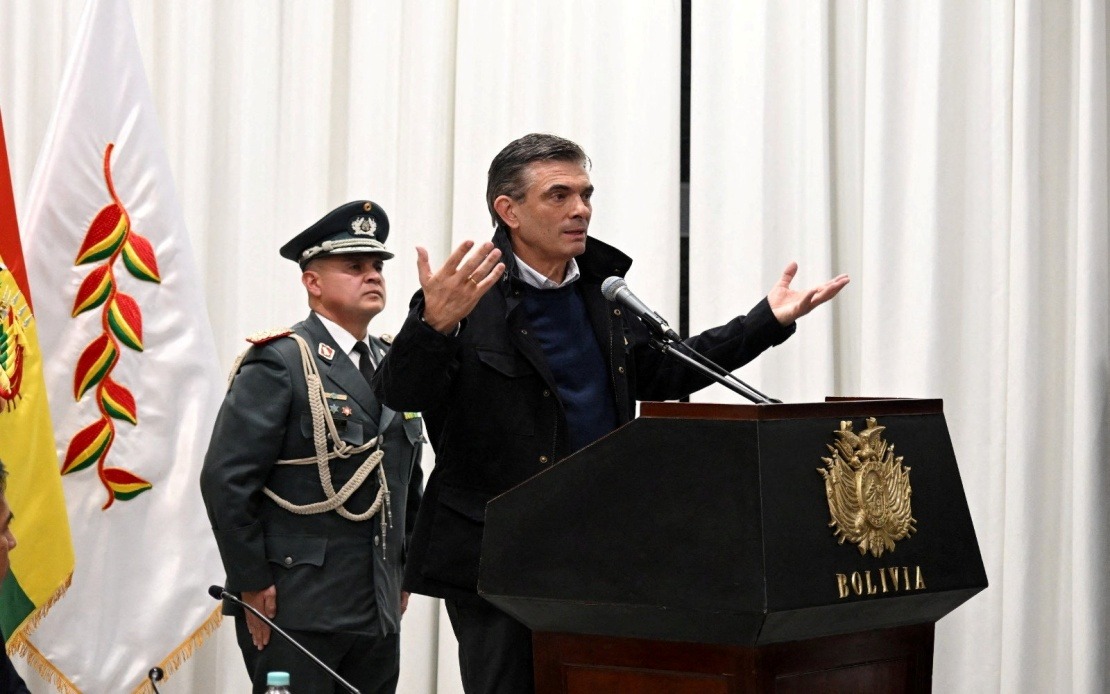
Bolivia faces mounting political turmoil as President Rodrigo Paz invoked emergency powers to address a deepening crisis triggered by sustained civil unrest. The declaration came after nearly two months of coordinated blockades and mass demonstrations that have progressively strangled the nation's economy and access to essential goods. Workers' unions and farming organisations have mobilised thousands to express their discontent over deteriorating economic conditions and soaring living costs, creating what observers regard as one of the most significant challenges to Paz's administration since taking office.
The blockades, which have now persisted for 50 days, represent a coordinated strategy by opposition movements to pressure the government into policy reversals or political concessions. Rather than dissipating with time, the protests have hardened into a more entrenched standoff, with organisers demonstrating considerable capacity to maintain roadblocks across multiple regions simultaneously. This coordination suggests deep institutional backing from labour federations and agricultural groups, reflecting broader structural frustrations within Bolivian society beyond any single policy dispute.
The humanitarian toll has become increasingly stark. Food distribution networks have fractured as supply routes remain blocked, creating shortages in urban centres and rural communities alike. Fuel scarcity has mounted to critical levels, limiting transportation, electricity generation, and industrial production. Healthcare systems face pressure as hospitals struggle to receive medicines and supplies needed for routine and emergency care. These cascading failures illustrate how infrastructure disruption in developing economies can rapidly transform economic protest into a genuine public health emergency.
Paz framed the emergency declaration as a necessity to restore normalcy and protect citizens' fundamental rights. In his televised address, he emphasised that ordinary Bolivians cannot sustain prolonged deprivation of work, education, medical services, and food security. The rhetoric deployed—positioning the state as defender of citizens against those wielding blockades as coercive instruments—represents a common justification for emergency powers in Latin American politics. Whether this framing resonates with the broader public or deepens polarisation will significantly influence the trajectory of the crisis.
The declaration carries substantial implications for civil liberties and state authority. Emergency measures typically grant executives expanded powers to deploy security forces, restrict movement, and suspend normal administrative procedures. In Bolivia's context, where military involvement in domestic politics carries historical sensitivity dating to the country's authoritarian past, the mobilisation of armed forces to break blockades carries symbolic weight beyond the immediate operational objective. International observers, human rights organisations, and regional governments are likely to scrutinise how enforcement proceeds.
The economic calculus underlying the crisis reflects vulnerabilities common across Latin America. Bolivia's reliance on commodity exports, coupled with global price volatility and domestic fiscal constraints, has squeezed purchasing power for working and rural populations. Real wages have stagnated while inflation erodes savings and household budgets. This backdrop explains why workers' organisations can mobilise sustained action—participants face genuine material hardship that makes short-term sacrifice politically tolerable compared to continued economic deterioration.
For Malaysia and Southeast Asian observers, Bolivia's unfolding situation offers lessons in the fragility of social contracts when economic strain combines with perceived governmental insensitivity. Malaysia's own experience with labour activism, agricultural sector challenges, and cost-of-living pressures provides relevant parallels. The Bolivian case demonstrates how quickly legitimacy can erode when large segments of the population experience simultaneous economic squeeze and feel unheard by political leadership. Maintaining dialogue with organised civil society and demonstrating responsiveness to genuine grievances become critical tools for preventing escalation.
Regional stability in Bolivia also carries indirect relevance for global supply chains and diplomatic relationships across the Americas. Extended economic paralysis threatens not only Bolivian citizens but also trading partners dependent on Bolivian exports of minerals, agricultural products, and energy resources. The crisis may prompt diplomatic engagement from neighbouring countries and international organisations seeking to broker resolution before deeper institutional damage occurs.
The sustainability of the emergency declaration as a governing strategy remains uncertain. Military enforcement may temporarily restore road access and resume some economic activity, but without addressing underlying grievances driving the protests, the underlying tension persists. Previous emergency declarations in Latin America have sometimes ended protests through coercion while simultaneously radicalising opposition movements, creating cycles of repression and counter-mobilisation. Paz faces pressure to couple security measures with substantive policy responses addressing cost-of-living concerns, otherwise the emergency may constitute merely a postponement rather than resolution of Bolivia's political crisis.
Longer-term stability requires negotiation, compromise, and demonstration that government recognises legitimate economic grievances. Whether Paz's administration pursues this diplomatic path alongside emergency enforcement will determine whether Bolivia navigates toward recovery or deeper institutional fragmentation. Regional observers and international partners have stake in encouraging inclusive dialogue rather than winners-and-losers outcomes that entrench polarisation for years ahead.