The Indian medical education system faces a credibility crisis as over 2 million students prepare to resit the National Eligibility cum Entrance Test following the unprecedented cancellation of May's examination. The decision to scrap results after allegations of advance question paper circulation on social media has left an entire cohort of aspirants confronting renewed anxiety, erased months of preparation, and deepened public faith in the integrity of one of South Asia's most gruelling academic competitions. The retake, scheduled for Sunday 21 June, represents not merely a logistical challenge but a significant political vulnerability for Prime Minister Narendra Modi's administration, which now faces mounting pressure from students, opposition parties, and civil society activists demanding accountability.
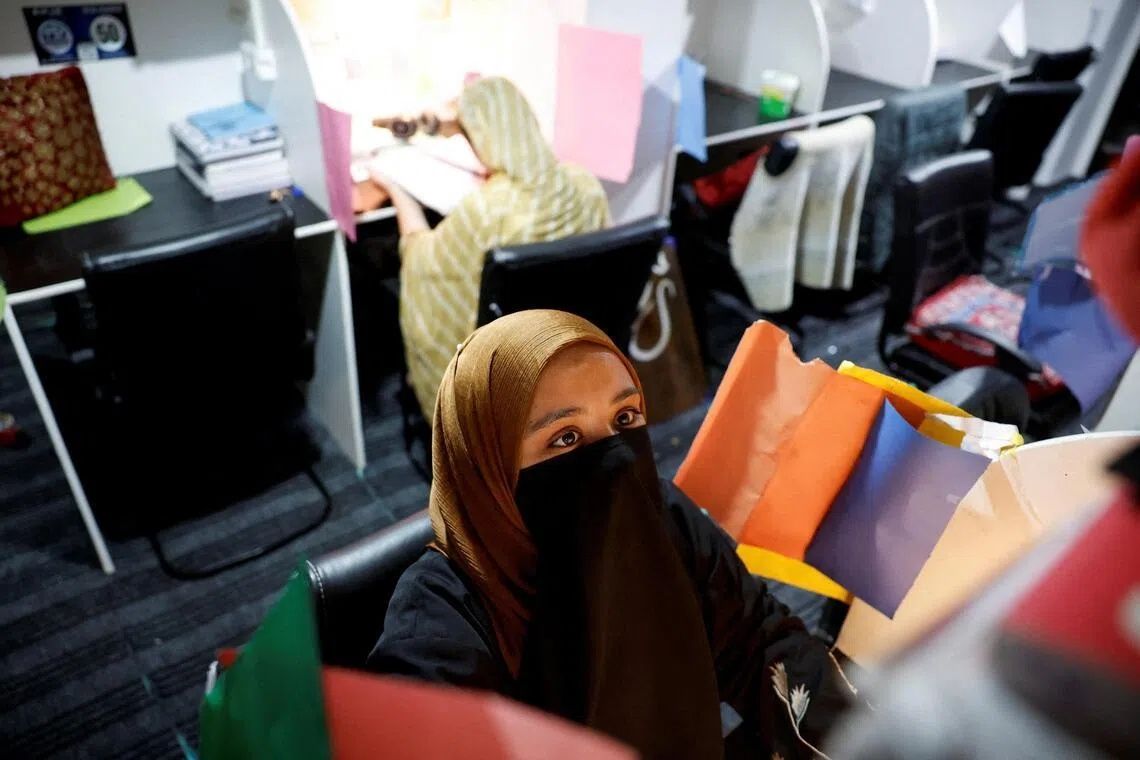
The National Eligibility cum Entrance Test—the gateway examination for admission into India's medical colleges—already functions as an extraordinarily high-stakes filter: only between 5 and 6 per cent of candidates ultimately secure positions in medical schools. This already-brutal selection ratio transforms the exam into a defining moment for millions of families across India who view medical careers as pathways to social mobility and financial security. The cancellation has therefore compounded existing pressure exponentially. Twenty-year-old Alima Javed from Srinagar articulated the psychological toll among candidates, describing how years of relentless study have been effectively invalidated by institutional failure rather than personal shortcoming. For students like Javed, the emotional burden extends beyond academic disappointment; it encompasses a profound sense of injustice at being penalised for circumstances entirely beyond their control.
The examination leak scandal has crystallised into a broader political liability for New Delhi. Hundreds of students have participated in demonstrations across major cities including the capital, transforming what might otherwise remain an administrative problem into a visible public grievance. Some media outlets and opposition politicians have alleged that the stress has contributed to student suicides, though verifying such claims remains methodologically challenging. Regardless of the precise casualty figures, the narrative of institutional failure resonating through social media and news coverage has become increasingly difficult for the government to contain through official channels alone.
Education Minister Dharmendra Pradhan has publicly committed to ensuring a "fair and transparent" retake, signalling official awareness of the legitimacy crisis. Yet the government's response strategy reveals tensions between security imperatives and civil liberties. Authorities have temporarily blocked the messaging application Telegram until the examination concludes, citing concerns about its potential use by cheating networks. The Indian court upheld this ban on 19 June, ruling that the government's actions were legally and reasonably justified, particularly given Telegram's anonymity features and the ease with which blocked channels can be recreated. Nevertheless, this decision has drawn sharp criticism from digital rights campaigners and free speech advocates who view such restrictions as disproportionate and precedent-setting.
The investigation into the original leak has expanded into a multi-agency operation designed to trace the paper's origin and track financial flows connected to suspected cheating syndicates. Authorities have already made arrests across several Indian states and have signalled intentions to impose harsher penalties on individuals implicated in examination malpractice. Such moves signal governmental determination to restore institutional credibility, yet they also underscore how examination cheating in India has become sufficiently organised and profitable to warrant coordinated law enforcement intervention.
Beef security protocols for the retake examination represent the government's attempt to prevent recurrence. Enhanced surveillance at testing centres, tighter procedural controls over question paper distribution and storage, and newly implemented digital tracking systems are all designed to create multiple layers of preventative oversight. From a regional perspective, India's examination security crisis carries implications for Southeast Asian education authorities managing their own high-stakes testing regimes. The incident demonstrates how technological advancement can simultaneously enable institutional oversight while creating new vulnerabilities that determined actors can potentially exploit through coordinated networks.
Yet despite these augmented safeguards, many candidates report that such measures have failed to meaningfully alleviate psychological distress. Aliya Jalaal, also twenty years old, has found the retake anxiety so overwhelming that she has accessed psychiatric support to manage her emotional state. Her experience reflects a broader mental health dimension to the scandal that extends beyond examination administration into the realm of student wellbeing. The psychological toll of repeated high-stakes assessment, compounded by loss of confidence in institutional integrity, creates a mental health burden that security protocols and administrative reforms cannot directly address.
For Malaysia and other Southeast Asian nations with similarly competitive educational systems, the Indian examination scandal offers instructive lessons about the interconnection between institutional integrity, student mental health, and public confidence. As educational systems across the region grapple with expanding student populations competing for limited professional programme positions, the Indian experience illustrates how systematic failures in examination security can rapidly transform administrative problems into broader social and political crises. The incident also highlights how examination leaks, once contained to specific geographical or institutional contexts, now propagate rapidly through digital networks, requiring coordinated responses that balance security concerns with fundamental digital freedoms.
The broader context reveals structural pressures within India's medical education system that extend beyond the specific examination leak. The extreme selectivity of India's medical schools—admitting only a tiny percentage of candidates—creates an inherently high-stress environment where individual students bear disproportionate psychological burden for pursuing professional careers. When institutional systems fail to protect the fairness of examination processes, that burden intensifies dramatically. The question facing Indian policymakers extends beyond preventing future leaks toward examining whether the overall system can be reformed to reduce the psychological casualties of an almost impossibly narrow pathway to medical qualification. For regional observers, this structural question may ultimately prove more significant than the immediate security response.
%22%2F%3E%3C%2Fpattern%3E%3C%2Fdefs%3E%3Crect%20width%3D%22100%25%22%20height%3D%22100%25%22%20fill%3D%22url(%23ph3n7zyg)%22%2F%3E%3Crect%20width%3D%22100%25%22%20height%3D%22100%25%22%20fill%3D%22url(%23ph3n7zyp)%22%2F%3E%3Ctext%20x%3D%2250%25%22%20y%3D%2250%25%22%20text-anchor%3D%22middle%22%20dominant-baseline%3D%22central%22%20fill%3D%22rgba(255%2C255%2C255%2C0.95)%22%20font-family%3D%22Georgia%2C%20'Times%20New%20Roman'%2C%20serif%22%20font-weight%3D%22700%22%20font-size%3D%22320%22%20letter-spacing%3D%22-0.02em%22%3EKTMB%3C%2Ftext%3E%3C%2Fsvg%3E)