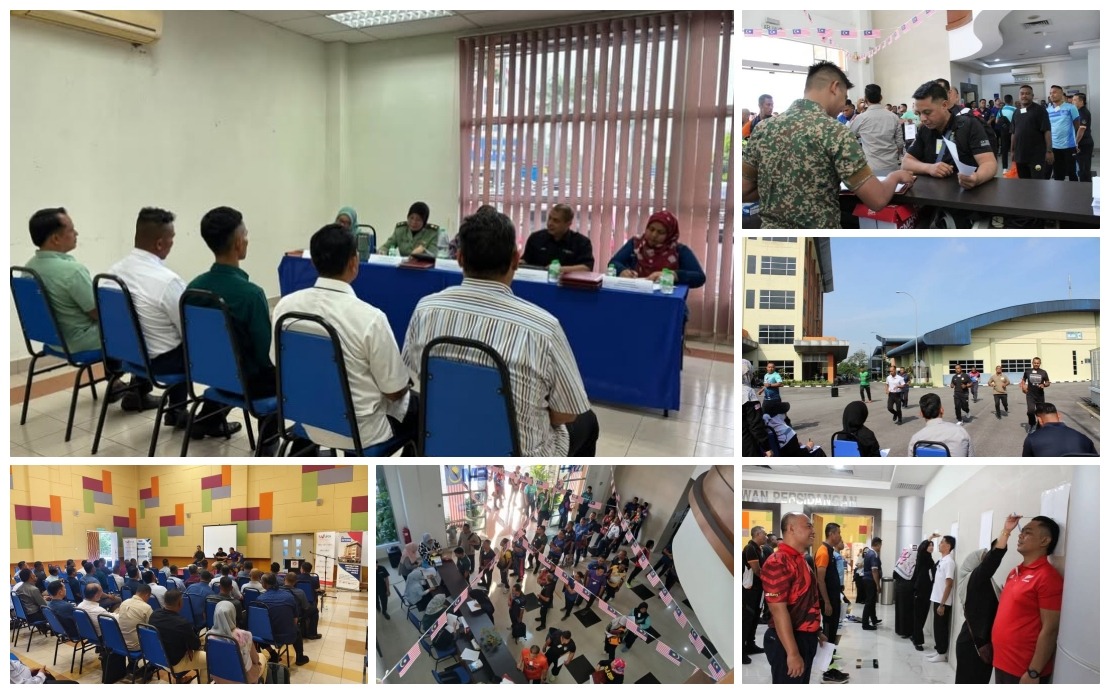
MARA has pushed forward with its recruitment drive for Full-Time External Wardens at the MARA Junior Science Colleges, with 147 former military candidates completing physical interview sessions at the MARA Food Technology Incubator in Kepong on June 17 and 18. According to MARA Chairman Datuk Dr Asyraf Wajdi Dusuki, the candidates represent a carefully filtered cohort, having already cleared two rounds of online screening before being summoned for the in-person evaluation phase.
The interview process itself was demanding and multifaceted, requiring each candidate to demonstrate fitness and competence across three distinct assessment components. Body Mass Index screening formed the first hurdle, ensuring wardens meet basic health standards required for the role. Candidates then faced the Bleep Test, a shuttle run aerobic fitness assessment that measures cardiovascular endurance and stamina. Finally, each candidate underwent a face-to-face interview designed to evaluate their suitability for the position beyond physical capabilities, examining their understanding of MARA's educational philosophy and their capacity to connect with students.
The timing of these appointments carries significance for Malaysia's residential college system. The new wardens are scheduled to commence duties on July 1, positioning them to establish relationships with students before the academic year accelerates. This phased approach to recruitment suggests MARA has planned this expansion deliberately, avoiding the disruption of mid-term staffing changes while allowing wardens time to familiarise themselves with college protocols and student populations.
Datuk Dr Asyraf Wajdi emphasised that the warden role extends far beyond basic disciplinary functions or security maintenance. Wardens serve as authority figures who must genuinely embody MARA's educational framework, translating institutional values into daily practice within residential settings. The chairman characterised wardens as "second mothers and fathers" to students, acknowledging the pastoral and mentoring dimensions that distinguish the position from ordinary security or administrative roles. This broader conceptualisation reflects growing recognition that residential college effectiveness depends on quality relationships between staff and students.
The expanded warden programme appears designed to address specific behavioural challenges within MRSM communities. Datuk Dr Asyraf Wajdi explicitly identified bullying, disciplinary misconduct, and social ills as problems the initiative aims to mitigate. By recruiting individuals with military backgrounds, MARA presumably seeks staff with training in structure, hierarchy, and group management, though also individuals accustomed to working within institutional frameworks and responding to authority. The selection of former military personnel suggests a deliberate strategy to introduce discipline-conscious leadership into student living environments.
The recruitment initiative simultaneously aims to create what MARA describes as a safer, more conducive learning environment. This language indicates the organisation recognises that residential college success depends on the quality of the non-academic environment. Students spending significant time in hostels require staff capable of managing peer interactions, mediating conflicts, and establishing norms that discourage harmful behaviour. The comprehensive assessment process reflects this understanding, as fitness and interview performance together signal both the physical capacity to respond to emergencies and the interpersonal judgment needed for mentoring roles.
The gender dimension of the recruitment process merits attention. While 147 male former military personnel completed interviews in mid-June, a parallel cohort of 162 female candidates was scheduled to undergo physical interviews the following week. This substantial female recruitment component suggests MARA intends to ensure gender balance among warden staff, potentially recognising that female wardens bring different strengths to pastoral roles and that mixed-gender warden teams better reflect contemporary student communities. The identical assessment process for both groups indicates MARA maintains consistent standards regardless of candidate gender.
The numbers involved signal a significant expansion of MRSM's residential support infrastructure. Across the MRSM system, introducing more than 300 full-time external wardens represents a material investment in student welfare capacity. The scale of recruitment suggests MARA has undertaken substantial planning to identify specific warden positions across multiple colleges or has decided to significantly increase warden-to-student ratios at existing institutions. Either approach reflects heightened institutional investment in residential college quality.
For Malaysian parents and students, this recruitment drive carries practical implications. Enhanced warden presence potentially improves safety monitoring and creates additional adult oversight during students' residential periods. For former military personnel, the opportunity represents meaningful employment leveraging existing discipline and leadership training. The initiative also signals MARA's confidence that structured, experienced staff can meaningfully improve college environments, rather than viewing residential challenges as intractable problems.
The July 1 commencement date creates a compressed timeline for onboarding and induction. New wardens will need rapid familiarisation with college-specific procedures, student dynamics, and institutional expectations. The success of this recruitment round will partly depend on how effectively MARA supports newly appointed wardens through their initial months, ensuring they translate military discipline into age-appropriate mentoring rather than inappropriately imposing military-style strictness on adolescent populations.
Looking forward, the warden programme's effectiveness will be measurable through concrete outcomes: reduction in reported bullying incidents, improvement in student conduct records, and broader institutional metrics around residential safety and satisfaction. MARA has positioned the initiative as addressing genuine institutional challenges, and the subsequent performance data will indicate whether military-trained wardens effectively address student behavioural concerns or whether the approach requires refinement.