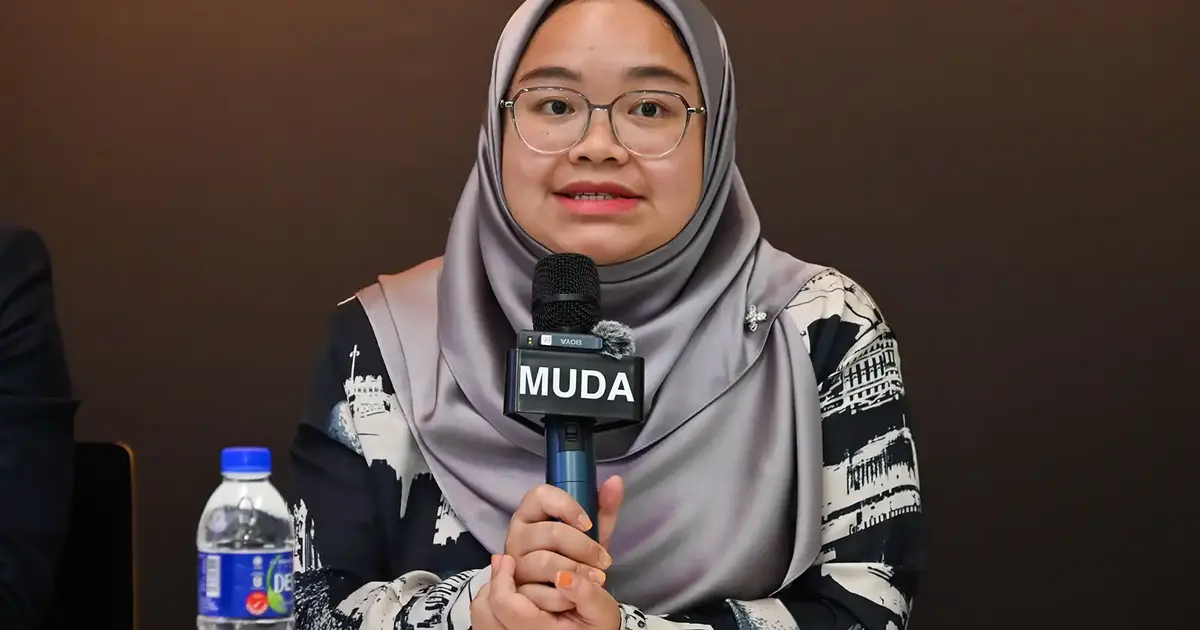
The Malaysian United Democratic Alliance (Muda) has signalled a change in its electoral strategy for the Johor state election scheduled for July 11, announcing Rashifa Aljuneid as its chosen candidate for the Puteri Wangsa parliamentary constituency. The decision marks a notable shift, as party president Amira Ameera will not be defending the seat, stepping aside from what was previously her stronghold in the competitive Klang Valley political landscape.
Rashifa Aljuneid's selection represents Muda's effort to consolidate support in a demographic area where the youth-focused party has sought to establish deeper roots. The party's decision to field a fresh candidate underscores its broader approach to regenerating leadership at all levels and widening its appeal beyond the core base that propelled Muda into parliament during the 2022 general election. Puteri Wangsa, located in Selangor within the Johor state boundary, has emerged as a battleground seat where multiple parties are keen to establish dominance.
Amira Ameera's decision not to contest carries implications for Muda's internal dynamics and its positioning as a stabilising force in Malaysian politics. Since assuming the party presidency, she has been central to Muda's public-facing strategy and policy articulation, particularly on issues resonating with younger voters including democratic reforms, education, and economic inclusion. Her step back from electoral contest at this juncture may reflect strategic calculations around where the party can concentrate its organisational resources most effectively ahead of the July 11 polling day.
The Puteri Wangsa seat has historically witnessed competitive contests, attracting candidates from Pakatan Harapan, Barisan Nasional, and other challengers seeking to build influence in a constituency with significant urban and semi-urban characteristics. Rashifa's candidacy will position Muda as a credible third-force alternative, potentially appealing to voters dissatisfied with traditional political alignments. The timing of the announcement allows sufficient campaigning period for the new candidate to establish visibility and articulate Muda's platform to local residents.
Muda's trajectory since 2022 has been marked by careful seat selection and strategic positioning within the broader opposition coalition. The party has avoided overextension whilst consolidating positions where it possesses organisational strength or where candidates possess local rootedness. The July 11 Johor election represents an important test of Muda's electoral machinery outside its established strongholds, particularly in states where it remains relatively nascent as a political force. Fielding Rashifa rather than retaining Amira may reflect assessments that the new candidate possesses specific appeal or local connections valuable in that constituency.
For Malaysian voters and observers monitoring emerging political forces, Muda's choices in candidate selection illuminate the party's maturing approach to electoral politics. Beyond symbolic leadership gestures, successful consolidation of electoral fortunes requires deploying candidates who can translate party messaging into ground-level resonance. Rashifa's background, qualifications, and community standing will become focal points for voters evaluating whether Muda represents genuine alternatives to established players.
The July 11 Johor election unfolds amid broader Malaysian political realignment. The state sits within a region where Pakatan Harapan maintains significant presence, but where Barisan Nasional and other competitors remain potent forces. Muda's participation across multiple constituencies nationwide will test whether the party's appeal transcends its initial urban, youth-skewing base or remains concentrated among particular demographic segments. Results from Johor will provide valuable indicators regarding third-force momentum in Malaysia's electoral landscape.
Amira Ameera's non-candidacy also addresses questions about role separation between party presidency and electoral participation. Some political analysts suggest that focusing on institutional leadership without simultaneous electoral contest enables clearer concentration on party-building and policy development. Conversely, others contend that party presidents maintaining electoral positions strengthens accountability and demonstrates personal commitment to the political vision articulated publicly. Muda's choice reflects deliberate strategic thinking about optimal deployment of its most recognisable figure.
Rashifa Aljuneid's challenge will involve articulating Muda's reform agenda whilst establishing distinctive positioning against competitors also claiming to represent change and modern governance. The Puteri Wangsa campaign will become a microcosm of broader struggles shaping Malaysian politics, including generational divides, economic anxieties, and institutional trust questions. How effectively Muda translates its policy platform into electoral support through Rashifa will influence the party's credibility heading toward future electoral contests at federal and other state levels.
%22%2F%3E%3C%2Fpattern%3E%3C%2Fdefs%3E%3Crect%20width%3D%22100%25%22%20height%3D%22100%25%22%20fill%3D%22url(%23ph1u89ng)%22%2F%3E%3Crect%20width%3D%22100%25%22%20height%3D%22100%25%22%20fill%3D%22url(%23ph1u89np)%22%2F%3E%3Ctext%20x%3D%2250%25%22%20y%3D%2250%25%22%20text-anchor%3D%22middle%22%20dominant-baseline%3D%22central%22%20fill%3D%22rgba(255%2C255%2C255%2C0.95)%22%20font-family%3D%22Georgia%2C%20'Times%20New%20Roman'%2C%20serif%22%20font-weight%3D%22700%22%20font-size%3D%22136%22%20letter-spacing%3D%22-0.02em%22%3EParliament%3C%2Ftext%3E%3C%2Fsvg%3E)