The Malaysian United Democratic Alliance (MUDA) has unveiled Rashifa Aljunied, a 26-year-old activist currently heading the Puteri Wangsa service centre, as its official candidate for the Puteri Wangsa state seat in the upcoming Johor election. The announcement arrived during a press conference in Johor Bahru on June 20, delivered by MUDA president Amira Aisya Abdul Aziz, who has held the seat since the 2022 state polls and is now stepping aside to pursue a parliamentary candidacy in the 16th General Election.
The selection of Aljunied underscores MUDA's strategy of promoting grassroots activists into electoral contests, a defining feature of the youth-oriented party's approach to candidate recruitment. According to Amira Aisya, the decision to nominate Aljunied followed extensive deliberations among the party's top leadership and broader party machinery, suggesting a consensus-driven selection process rather than a unilateral appointment. The emphasis on internal discussion reflects MUDA's commitment to democratic decision-making principles, a cornerstone of its political identity since its formation ahead of the 2022 elections.
Aljunied's background as a service centre administrator positions her within MUDA's operational framework, offering her direct experience in constituent engagement and community liaison work. This hands-on exposure to grassroots politics—managing walk-in services, fielding resident complaints, and coordinating local initiatives—provides a practical foundation for legislative representation. Her relative youth, at 26 years old, aligns with MUDA's broader demographic appeal to younger voters seeking fresh perspectives in Malaysian politics, a cohort that has shown increasing electoral participation in recent contests.
The Puteri Wangsa seat holds particular significance for MUDA's electoral record and strategic positioning within Johor politics. In the 2022 state election, the constituency represented a breakthrough moment for the party, being its sole winning seat in the state. Amira Aisya's victory margin of 7,114 votes in a six-candidate race demonstrated viable support for MUDA's political brand in an urban constituency, even as the broader coalition faced challenges across Johor's broader electoral landscape. Defending this seat becomes crucial for MUDA's credibility and momentum heading into the 16th General Election cycle.
Amira Aisya's decision to vacate the state seat reflects shifting political calculations within MUDA's strategic planning. Rather than defend a state position while simultaneously managing parliamentary responsibilities, she has opted to concentrate resources on the federal arena. This move suggests internal discussions about resource allocation and the party's prioritization of parliamentary representation over state assemblies, a positioning that carries implications for MUDA's medium-term development as a political force in Malaysia.
The timing of MUDA's announcement precedes its additional candidate declarations scheduled for Kuala Lumpur on June 21, indicating a coordinated roll-out of the party's full slate across Johor's contested seats. This staggered approach allows for media management and sustained campaign visibility, building narrative momentum across multiple announcements rather than concentrating all candidate revelations into a single event. MUDA's methodical disclosure strategy demonstrates organizational maturity compared to its nascent status just two years prior.
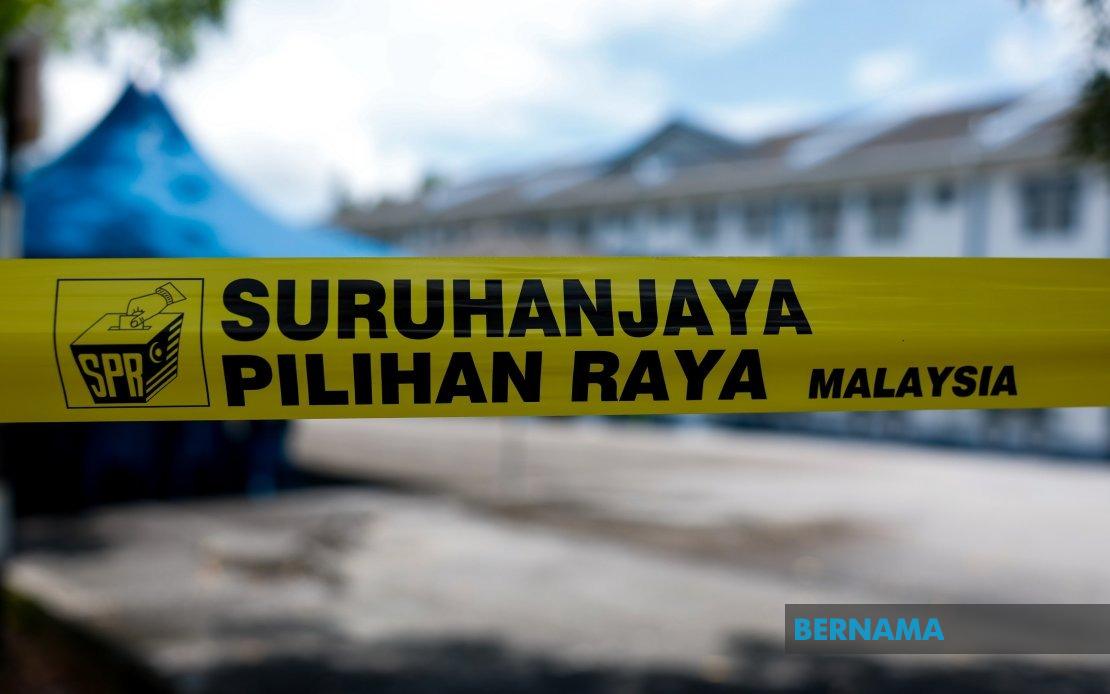
Election mechanics established by the Election Commission frame the contest's timeline for voters and candidates alike. With polling day set for July 11, nomination day scheduled for June 27, and early voting allocated for July 7, candidates and their parties face a compressed campaign window of approximately three weeks to build voter support and construct campaign machinery. This compressed schedule contrasts with lengthier campaigns in some international democracies, placing pressure on parties to activate existing organizational networks and volunteer bases rapidly.
For Malaysian political observers, MUDA's trajectory through the Puteri Wangsa succession represents a critical juncture in assessing whether the party can consolidate electoral gains from 2022 or whether it faces regression as broader coalition dynamics shift. The substitution of a new candidate for an incumbent president—even one stepping down voluntarily—carries inherent electoral risks. Voter familiarity with an incumbent representative often translates into electoral advantages, while new candidates must rebuild name recognition and trust regardless of party affiliation. Aljunied's success in retaining this seat will provide measurable data on MUDA's institutional capacity to transfer electoral support across candidates and whether the party brand carries sufficient weight independently of individual personalities.
The Johor election assumes heightened importance within Malaysia's broader political architecture, as the outcome will influence coalition calculations and negotiating positions heading into the federal election. Strong MUDA performance in Johor could bolster the party's bargaining power within broader opposition coalitions, while poor results might necessitate strategic recalibration. For Southeast Asian observers tracking Malaysia's democratic competition and coalition dynamics, the Johor contests offer revealing insights into whether younger, reform-oriented parties can establish durable electoral bases or remain dependent on charismatic individual personalities for electoral legitimacy.
Rashifa Aljunied's nomination thus carries significance extending beyond the constituency itself. Her performance will test assumptions about candidate selection in Malaysian electoral politics, generational preferences among urban voters, and MUDA's capacity to translate internal party strength into sustained electoral representation. The coming weeks will demonstrate whether the party's grassroots organizational model and commitment to democratic selection processes translate into electoral success, or whether conventional political dynamics reassert themselves when voters enter the ballot box.

%22%2F%3E%3C%2Fpattern%3E%3C%2Fdefs%3E%3Crect%20width%3D%22100%25%22%20height%3D%22100%25%22%20fill%3D%22url(%23ph2hy9vg)%22%2F%3E%3Crect%20width%3D%22100%25%22%20height%3D%22100%25%22%20fill%3D%22url(%23ph2hy9vp)%22%2F%3E%3Ctext%20x%3D%2250%25%22%20y%3D%2250%25%22%20text-anchor%3D%22middle%22%20dominant-baseline%3D%22central%22%20fill%3D%22rgba(255%2C255%2C255%2C0.95)%22%20font-family%3D%22Georgia%2C%20'Times%20New%20Roman'%2C%20serif%22%20font-weight%3D%22700%22%20font-size%3D%22272%22%20letter-spacing%3D%22-0.02em%22%3EAnwar%3C%2Ftext%3E%3C%2Fsvg%3E)