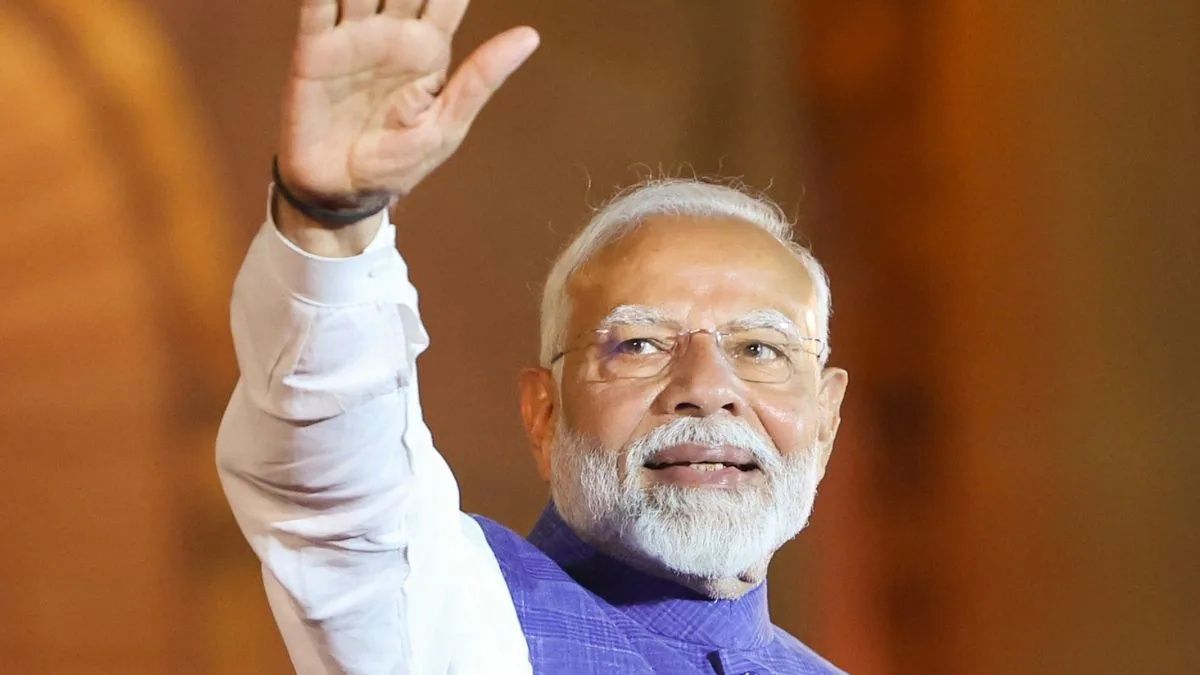
Prime Minister Narendra Modi will preside over India's 12th International Day of Yoga celebrations at Kolkata's historic Red Road on Sunday, June 21, positioning the event as a cornerstone demonstration of his personal commitment to promoting holistic well-being through the "Healthy Body, Healthy Mind" framework. The choice of venue and timing carries substantial political and cultural significance for New Delhi's developmental agenda in West Bengal and beyond.
The main gathering will unfold across the early morning hours at Red Road, one of Kolkata's most prominent public spaces, featuring mass participation in the Common Yoga Protocol alongside thousands of citizens, government officials, and dignitaries. The decision to host India's primary national celebration in the City of Joy rather than New Delhi itself signals a deliberate strategic pivot, particularly following the Bharatiya Janata Party's decisive victory in the West Bengal Assembly elections that displaced the Trinamool Congress from power. Senior party figures have openly indicated that West Bengal represents a focal point for the Modi government's medium and long-term political and developmental initiatives, with infrastructure investment and governance reforms anticipated to accelerate substantially.
Red Road's selection as the principal venue extends beyond logistical convenience. The thoroughfare embodies layers of Kolkata's contemporary identity as a space for civic assembly, military commemoration, and environmental sustainability efforts. Organisers anticipate record-breaking attendance figures, transforming the location into a potent symbol of grassroots engagement with India's wellness movement. The symbolism proves particularly resonant given West Bengal's demographic profile and the state government's decision to mandate participation among all civil servants, who have been directed to join proceedings at their offices, residential compounds, or designated public sites including Red Road and Milan Mela grounds.
The 12th International Day of Yoga operates under the overarching theme "Yoga for Healthy Ageing," reflecting contemporary global demographic realities. Union Minister of State for Ayush and Health and Family Welfare Prataprao Jadhav has emphasised that while worldwide life expectancy continues rising, the genuine challenge involves ensuring these extended years translate into active, autonomous, and fulfilling experiences rather than mere survival. Yoga, according to ministerial messaging, provides a scientifically validated and culturally rooted methodology for achieving such outcomes by simultaneously strengthening physical resilience, enhancing psychological equilibrium, and elevating overall quality of life throughout ageing.
The Ministry of Ayush has orchestrated an expansive promotional campaign underpinning the Sunday celebrations. The flagship Yoga Sangam Portal has surpassed 600,000 organisational registrations, representing an unprecedented mobilisation of institutions and community networks committed to simultaneous nationwide participation. This digital infrastructure enables thousands of locations across India to synchronise their yoga practice sessions with the prime ministerial programme in Kolkata, creating a unified national moment around wellness practices. The portal's success demonstrates genuine institutional enthusiasm for yoga integration into mainstream public health discourse.
The geographical reach of this year's commemoration extends far beyond India's borders. Approximately 2,500 discrete events are scheduled internationally, coordinated through India's diplomatic missions across 211 countries and territories. This expansion reflects New Delhi's determination to position yoga as a cornerstone element of cultural soft power and wellness diplomacy in the post-pandemic era. The global dimension transforms a domestic celebration into a transnational affirmation of Indian wellness traditions and their contemporary relevance for diverse populations.
Parallel to the main Kolkata event, the Ministry of Culture will activate yoga programmes at 100 iconic heritage sites throughout the country, deliberately interweaving India's civilisational wellness legacy with modern public health objectives. This approach acknowledges that yoga's legitimacy and appeal rest substantially on its rootedness in centuries-old Indian philosophical and physical traditions. By anchoring contemporary wellness initiatives to heritage landscapes, government messaging seeks to reinvigorate cultural pride while simultaneously normalising regular yoga practice across demographic segments traditionally distant from such disciplines.
Kolkata itself has already witnessed preparatory momentum through special programming including "Daud Se Dhyan 2026 – From Movement to Stillness," an initiative operating under the Swachhata Se Swagat Programme framework. This preceding campaign synthesised health, sanitation, civic consciousness, and holistic well-being into a cohesive messaging strategy, priming public consciousness and institutional readiness for the larger June celebration. The sequenced approach reflects sophisticated public health communication techniques designed to generate sustained rather than episodic engagement.
For Southeast Asian observers, the Indian government's orchestration of International Day of Yoga carries instructive dimensions. The integration of wellness policy with political consolidation, the deployment of heritage narratives alongside modernisation agendas, and the mobilisation of both state apparatus and civil society organisations reveal how large democracies translate popular health movements into instruments of statecraft and social cohesion. As regional nations increasingly grapple with ageing populations, chronic lifestyle diseases, and the challenge of maintaining public health infrastructure in fiscally constrained environments, India's yoga promotion model presents a case study in leveraging traditional knowledge systems as public goods. The extent to which contemporary celebrations genuinely translate into sustained behavioural change among participants, rather than functioning primarily as symbolic affirmation, remains an empirical question with implications for health policy across the broader region.