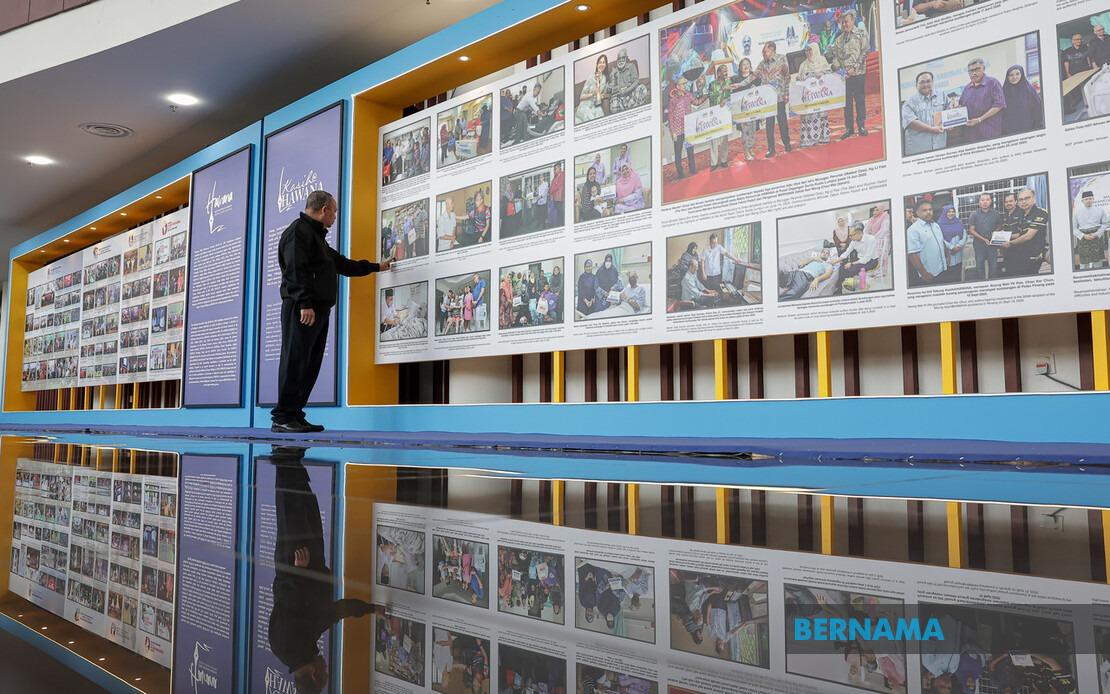
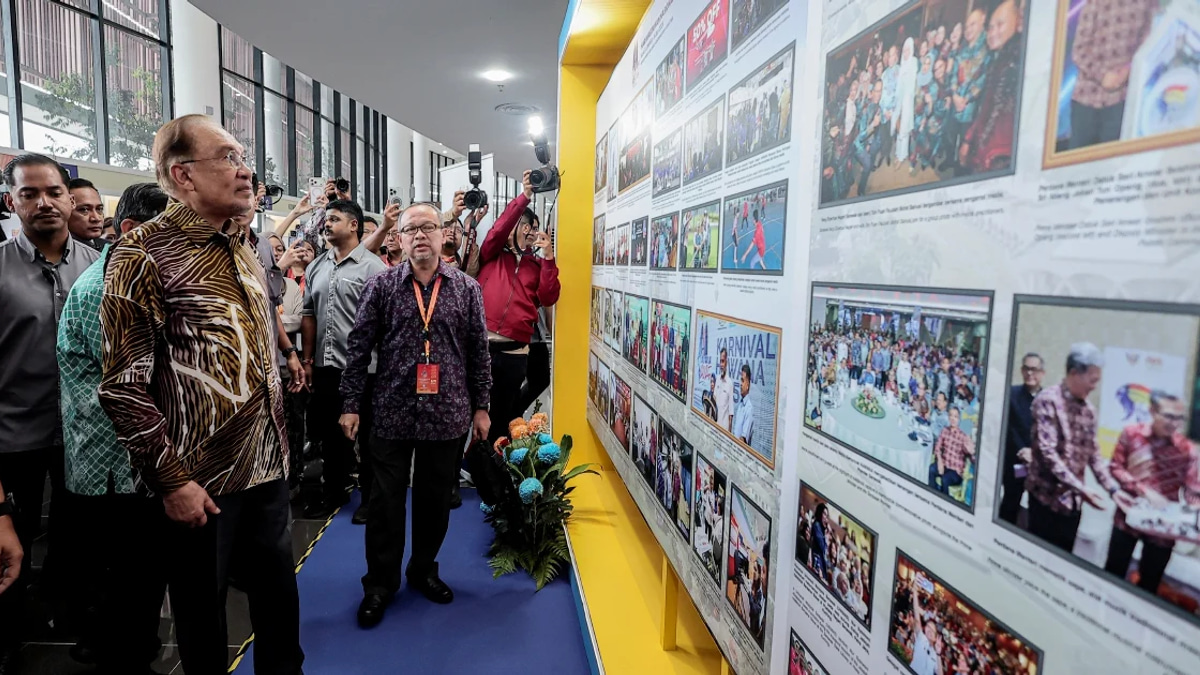
The 2026 edition of Malaysia's National Journalists' Day, known locally as HAWANA, has become a focal point for the country's media industry to examine itself and chart a course through unprecedented change. Held in Butterworth, Penang, the week of celebrations represents an attempt by media organisations and journalism bodies to fortify professional standards while grappling with technological disruption and shifting reader behaviour. The programming surrounding the main event tomorrow, when Prime Minister Datuk Seri Anwar Ibrahim will officiate proceedings at PICCA @ Butterworth Arena, reflects an industry in transition—one simultaneously determined to preserve core journalistic values while adapting to a digital age.
In the lead-up to the main celebration expected to draw approximately 1,000 media professionals from Malaysia and overseas, several ancillary events have already shaped the discourse. The Malaysian Federation of Media Clubs (GKMM) convened its Malaysia Media Retreat 2.0, bringing together representatives from 15 media clubs nationwide. For GKMM president Mohamad Fauzi Ishak, the gathering served dual purposes: strengthening the institutional bonds between member clubs under the federation's banner, and providing space to evaluate organisational progress since the GKMM's formal establishment in October 2022. The retreat, which was officiated by Communications Minister Datuk Fahmi Fadzil, offered GKMM an opportunity to reflect on its trajectory ahead of its third annual general meeting, notably scheduled to proceed without electoral contests.
The programming also underscores how Malaysia's journalism community is confronting questions that preoccupy media sectors globally. The Malaysian Press Institute (MPI) organised a town hall session at Han Chiang University College of Communication under the provocative title "2035: Will Journalists Still Exist?" The question itself signals the existential anxieties rippling through the profession as artificial intelligence, accelerating digitalisation, and transforming consumption habits reshape what journalism looks like and who produces it. Leading practitioners joined MPI president Datuk Yong Soo Heong, including Farrah Naz Abd Karim from New Straits Times Press and Azhari Muhidin from Media Prima's News and Current Affairs division, to wrestle with these questions in a structured forum designed to move beyond speculation toward actionable insight.
For Malaysian readers and industry observers, these discussions carry particular resonance given Southeast Asia's rapid technological adoption and the region's growing significance in global information flows. Malaysia, as an economically advanced Muslim-majority nation with diverse media ownership structures, occupies a unique position in wrestling with questions of journalistic identity and resilience. The nation's media landscape—spanning government-linked entities like Bernama, large conglomerates such as Media Prima and NSTP, and smaller independent outlets—creates a complex ecosystem where conversations about professional standards and future viability necessarily involve stakeholders with different incentive structures and institutional pressures.
The Malaysian Media Council (MMC) is scheduled to conduct introductory and engagement sessions with practitioners tomorrow, complementing the networking activities that will link media professionals from Peninsular Malaysia's northern corridor. These formal gatherings are more than ceremonial; they represent deliberate institutional efforts to maintain cohesion within a profession facing fragmentation pressures from digital disruption and changing business models. When news consumption increasingly happens through social media feeds rather than traditional mastheads, and when artificial intelligence systems can generate basic news content, the stakes of professional identity and community solidarity become higher rather than lower.
The overarching theme for HAWANA 2026—"Media Integrity, Foundation of Credibility"—directly addresses the profession's core vulnerability in the contemporary information environment. Public trust in media globally has eroded considerably, often attributed to real and perceived biases, sensationalism, and the difficulty in distinguishing reliable reporting from misinformation. By positioning integrity as foundational to credibility, the organisers signal that Malaysian journalism sees its pathway through disruption not through technological competition with artificial intelligence or through chasing algorithmic virality, but through demonstrating consistent commitment to accuracy, verification, and ethical practice. This represents a deliberate strategic choice at a moment when media organisations face real pressure to adopt sensationalist or polarising approaches to compete for audience attention.
The Communications Ministry's role in organising HAWANA through Bernama as implementing agency reflects government recognition that a functioning media ecosystem serves broader national interests beyond any single outlet's commercial performance. This institutional architecture, where state machinery supports industry-wide professional development, differs from media systems where industry self-regulation operates in complete separation from government. For Malaysia, where government-linked companies maintain significant media ownership, the participation of figures like Communications Minister Fahmi Fadzil sends implicit signals about state expectations for journalism's conduct and contributions to national discourse.
The three-day RIUH @ HAWANA Carnival running alongside the professional programming indicates an attempt to make media industry reflection accessible to broader constituencies beyond journalism professionals themselves. Carnivals and public events can communicate professional values to general audiences in ways that technical conferences cannot. This suggests HAWANA organisers understand that rebuilding public confidence in journalism requires not just internal professional conversations but also public demonstration of media institutions' engagement with community concerns and broader societal challenges.
What emerges from this constellation of activities is a media industry taking seriously the proposition that journalism's future depends on conscious choices made today. Rather than passively accepting that artificial intelligence, digitalisation, and changing consumption patterns will inevitably diminish journalism's scope and relevance, Malaysian media organisations are actively convening to discuss alternative futures. Whether these discussions translate into concrete business model innovations, professional standard improvements, or audience reconnection remains to be seen. But the commitment of resources and senior leadership attention to such conversations suggests the industry recognises the stakes involved.

%22%2F%3E%3C%2Fpattern%3E%3C%2Fdefs%3E%3Crect%20width%3D%22100%25%22%20height%3D%22100%25%22%20fill%3D%22url(%23ph2hy9vg)%22%2F%3E%3Crect%20width%3D%22100%25%22%20height%3D%22100%25%22%20fill%3D%22url(%23ph2hy9vp)%22%2F%3E%3Ctext%20x%3D%2250%25%22%20y%3D%2250%25%22%20text-anchor%3D%22middle%22%20dominant-baseline%3D%22central%22%20fill%3D%22rgba(255%2C255%2C255%2C0.95)%22%20font-family%3D%22Georgia%2C%20'Times%20New%20Roman'%2C%20serif%22%20font-weight%3D%22700%22%20font-size%3D%22272%22%20letter-spacing%3D%22-0.02em%22%3EAnwar%3C%2Ftext%3E%3C%2Fsvg%3E)