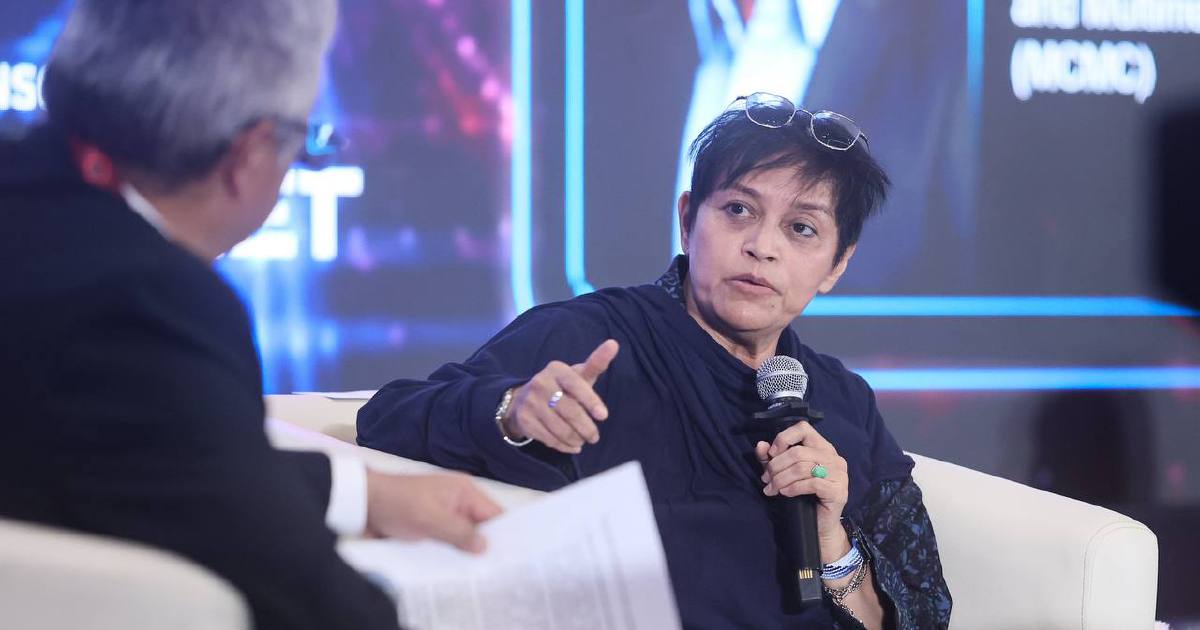
The Malaysian Communications and Multimedia Commission must place greater emphasis on impartial supervision of digital platforms during election campaigns, according to Datuk Seri Azalina Othman Said, the Minister in the Prime Minister's Department (Law and Institutional Reform). Her remarks underscore growing concerns about maintaining electoral integrity as political activity increasingly migrates to the digital sphere.
Azalina's call highlights a critical challenge facing Malaysia's electoral ecosystem: the rapid expansion of online political messaging across social media, messaging apps, and streaming platforms has outpaced traditional regulatory frameworks. Unlike broadcast and print media, which remain subject to established guidelines, the digital realm operates with fewer agreed-upon standards for political communication. This asymmetry creates vulnerabilities that could advantage technologically sophisticated campaigns while disadvantaging less resourced contestants.
The underlying issue reflects broader debates across Southeast Asia regarding democratic fairness in the digital age. Countries throughout the region grapple with similar tensions between protecting free expression and preventing abuse of online channels for electoral manipulation. Malaysia's situation is particularly acute given its multicommunal composition and history of politically sensitive content circulating on unmoderated platforms, where misinformation and inflammatory rhetoric can inflame communal tensions with unusual speed.
The MCMC's role has expanded significantly beyond its traditional telecommunications brief. The commission now navigates complex questions about content moderation, with responsibility spanning internet service regulation, broadcasting standards, and increasingly, oversight of social media activities during politically charged periods. Implementing consistent standards requires balancing competing interests: ensuring candidates can campaign effectively while preventing bad actors from weaponising platforms.
Azalina's emphasis on a "level playing field" carries particular resonance for smaller political parties and independent candidates who typically lack the financial resources to hire sophisticated digital strategists or purchase extensive advertising across platforms. If larger parties can exploit algorithmic systems or deploy sophisticated microtargeting techniques unchecked, smaller competitors face structural disadvantages that transcend traditional campaigning inequalities. Creating genuine parity demands active regulatory intervention rather than passive monitoring.
The challenge extends beyond obvious violations like banned materials or foreign interference, which MCMC can theoretically detect and address. More insidious problems include algorithmic amplification that favour certain viewpoints, data-driven targeting that segments voters into isolated information environments, and coordinated campaigns that artificially inflate support for particular narratives. These sophisticated tactics operate within legal bounds yet distort public discourse in ways that undermine the democratic ideal of informed voter choice.
During previous electoral cycles, evidence emerged of organised online campaigns spreading false information about candidates and policies, often through networks of seemingly independent accounts. While some allegations proved verifiable, distinguishing between legitimate grassroots enthusiasm and coordinated inauthentic behaviour remains technically difficult and politically contentious. MCMC faces accusations from various quarters depending on which campaigns benefit from alleged problems, making the commission's independence and technical credibility essential.
Regional comparisons offer instructive lessons. Indonesia's election commission has experimented with social media monitoring systems to track misinformation, though enforcement mechanisms remain limited. Thailand's stricter approach, including potential criminal liability for online political speech, raises concerns about government overreach. Singapore takes a middle path with clearer rules but faces criticism from civil liberties advocates. Malaysia must chart its own course that protects electoral integrity without descending into censorship or government suppression of legitimate political expression.
The minister's intervention suggests the government recognises inadequacies in current regulatory capacity ahead of elections. Whether MCMC possesses sufficient technical expertise, staffing levels, and real-time monitoring capability to enforce fair competition across Malaysia's diverse digital landscape remains uncertain. Implementing effective oversight demands sophisticated technological infrastructure, significant human resources, and rapid response protocols that existing arrangements may not accommodate.
Civil society organisations have also advocated for clearer digital campaign standards, proposing pre-election transparency requirements like mandatory disclosure of sponsored content, restrictions on manipulated media, and limits on foreign-linked funding streams. Such frameworks could complement MCMC oversight by establishing baseline expectations that all campaigns must meet. However, drafting rules that are specific enough to prevent abuse while remaining flexible enough to accommodate legitimate campaigning strategies presents formidable drafting challenges.
Thе international dimension adds complexity. Numerous online actors beyond MCMC's jurisdiction—foreign governments, technology companies headquartered abroad, diaspora groups—can influence Malaysian electoral discourse through digital channels. While the commission cannot regulate these external forces directly, coordinating with international partners and leveraging technology platforms' own moderation systems might amplify enforcement efforts. This transnational approach could prove more effective than domestic regulation alone.
Azalina's call ultimately reflects recognition that elections conducted fairly in the physical world may not translate to fair outcomes if digital arenas operate under different rules. As electoral campaigns continue digitalising, ensuring both transparency and genuine competition across online spaces becomes fundamental to democratic legitimacy. The MCMC's responsiveness to the minister's directive will significantly shape electoral integrity during the next major election cycle.

