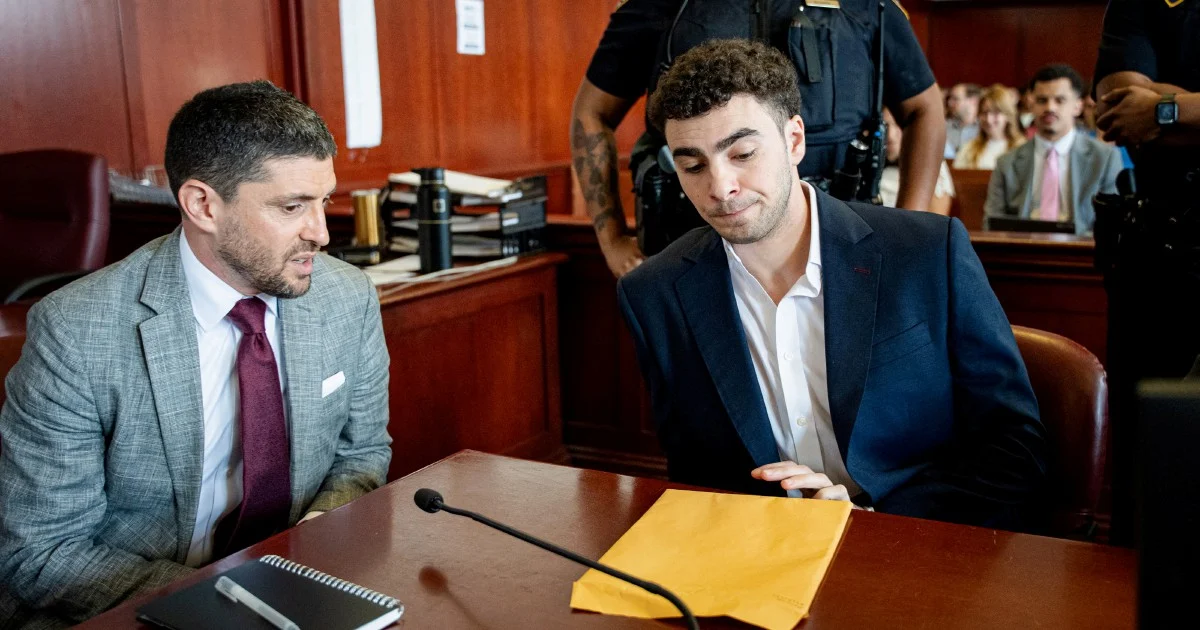
Luigi Mangione, the defendant charged with the December killing of UnitedHealthcare chief executive Brian Thompson on a Manhattan street, has reversed course on his legal strategy by withdrawing plans to present evidence of severe mental health distress during the alleged crime, court documents filed on Friday reveal. The decision represents a notable tactical recalibration in a case that has drawn intense national attention and raised complex questions about corporate accountability, healthcare industry criticism, and criminal responsibility.
The withdrawal of the mental health defence angle comes as Mangione's legal team reassesses their approach to the high-stakes prosecution. Rather than arguing that he was experiencing an acute psychiatric crisis that may have impaired his judgment or capacity at the time of the shooting, defence lawyers are now choosing to set this line of reasoning aside for the immediate trial proceedings. This strategic pivot suggests the defence may be banking on alternative theories or evidence to challenge the prosecution's case, though specific details remain limited at this stage.
Mangione, a 26-year-old former Ivy League student from Maryland, has been held in custody following his apprehension in Pennsylvania weeks after Thompson's shooting death. The case has captured widespread public and media interest, partly because of anti-corporate sentiment directed at the health insurance industry and the circumstances surrounding the executive's killing. The alleged crime occurred in early December on a Manhattan street, shocking the business community and reigniting debates about the role of insurance companies in healthcare delivery across America.
Brian Thompson, the UnitedHealthcare executive targeted in the shooting, headed one of the nation's largest and most influential health insurance providers. His death and the circumstances surrounding it have prompted broader conversations about corporate executive safety, protest movements targeting corporate leadership, and the healthcare system's relationship with the public. The case exists at the intersection of criminal law, corporate accountability, and public sentiment regarding the insurance industry's role in American healthcare.
The initial strategy of presenting mental health evidence would have required Mangione's legal team to introduce testimony and documentation demonstrating that he was experiencing significant psychological distress or crisis at the time of the alleged killing. Such evidence typically aims to establish conditions that may have affected the defendant's mental state, decision-making capacity, or culpability under relevant legal standards. However, the decision to withdraw this approach does not necessarily indicate weakness in the defence; rather, it reflects careful strategic calculation about how best to contest the charges.
Defence teams in high-profile cases routinely adjust their strategies as they gain access to discovery materials, conduct further investigations, and develop a clearer picture of the prosecution's case. The timing and substance of such decisions often signal shifts in legal thinking about which arguments will resonate most effectively with a jury or prove most challenging to the prosecution's narrative. In withdrawing the mental health component, Mangione's lawyers may believe other defence theories offer better prospects or that introducing such evidence could undermine their overall case presentation.
The prosecution in this case has constructed what appears to be a substantial case based on physical evidence, circumstantial factors, and witness accounts from the Manhattan incident. The withdrawal of a mental health defence may actually streamline the trial process by focusing disputes on questions of fact and evidence rather than complex psychiatric and neurological assessments. Trials involving extensive mental health testimony can become lengthy and complicated, potentially complicating jury deliberations through competing expert opinions.
For Malaysian observers of high-profile international criminal cases, this development illustrates how legal strategy in serious prosecutions involves constant recalibration and tactical adjustment. The interplay between defence and prosecution strategies shapes how cases unfold, and decisions made early in proceedings often have significant implications for trial outcomes. This case also reflects broader American legal practices regarding mental health defences and how courts balance criminal responsibility with questions of mental capacity.
The case continues to generate significant media attention in the United States and internationally, with various advocacy groups and public commentators weighing in on questions of corporate accountability, healthcare system reform, and criminal justice. The withdrawal of the mental health defence component does not resolve these broader societal questions but rather narrows the immediate focus to questions of direct culpability and the specific charges against Mangione. As the case proceeds through the judicial system, additional strategic decisions and legal developments will likely emerge that further shape how the prosecution unfolds.
Mangione remains in custody pending trial, and the legal process will continue to unfold through various pre-trial motions, discovery disputes, and procedural matters typical in complex criminal prosecutions. The decision announced Friday represents one significant marker in what promises to be an extended legal proceeding that will attract continued scrutiny from legal observers, media outlets, and the broader public.

%22%2F%3E%3C%2Fpattern%3E%3C%2Fdefs%3E%3Crect%20width%3D%22100%25%22%20height%3D%22100%25%22%20fill%3D%22url(%23ph2a6vmg)%22%2F%3E%3Crect%20width%3D%22100%25%22%20height%3D%22100%25%22%20fill%3D%22url(%23ph2a6vmp)%22%2F%3E%3Ctext%20x%3D%2250%25%22%20y%3D%2250%25%22%20text-anchor%3D%22middle%22%20dominant-baseline%3D%22central%22%20fill%3D%22rgba(255%2C255%2C255%2C0.95)%22%20font-family%3D%22Georgia%2C%20'Times%20New%20Roman'%2C%20serif%22%20font-weight%3D%22700%22%20font-size%3D%22136%22%20letter-spacing%3D%22-0.02em%22%3EPAS-Bersa%E2%80%A6%3C%2Ftext%3E%3C%2Fsvg%3E)